Meal-Breakers: Can Food Incompatibility End a Relationship?
It’s not the heart, but the stomach that often determines whether a budding romance becomes soul food or reaches a boiling point. For many, shared meals are a cornerstone of intimacy, but what happens when culinary tastes clash? This phenomenon, dubbed "meal-breakers," explores how food preferences can define compatibility in relationships.
The Rituals That Bind Us
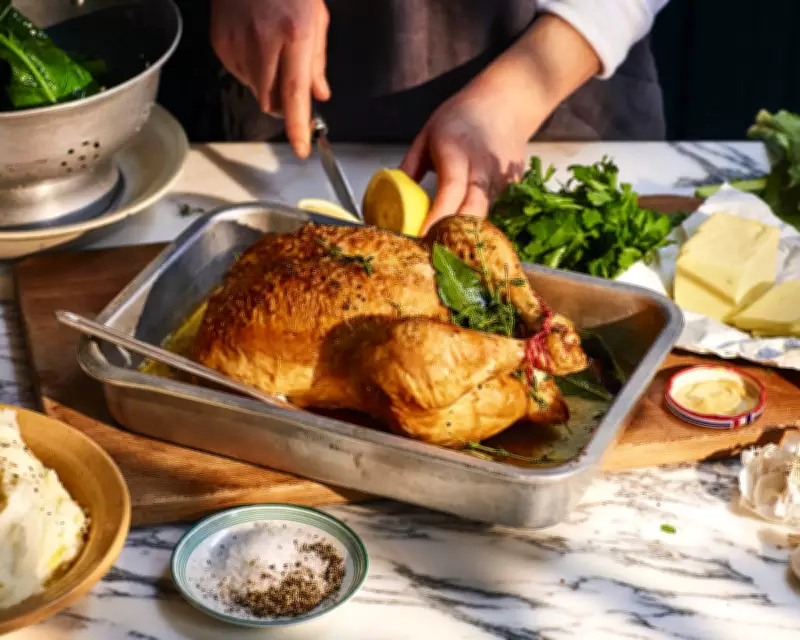
For author Karen Barnes, a love for the "gentle, generous ritual" of roast chicken is non-negotiable. Similarly, others cite lemons, rice, or anchovies on pizza as deal-breakers. These aren't just about flavour; they symbolise values like sharing and communal joy. Gurdeep Loyal, author of Flavour Heroes, emphasises that it's the principle behind the food—such as ensuring even distribution of anchovies on pizza—that reflects a partner's ethos.
Food as a Social Cue
Food writer Ben Benton notes that food has a tribal aspect, much like music or sports. On his Go To Food Podcast, he observes that culinary opinions often spark intense debates, mirroring how we judge potential partners. "We’re constantly reading cues for how a prospective partner aligns with us and our values," Benton explains. While not everyone cares for sports, everyone eats, making food a reliable lens into personality and politics.

Veganism and Cultural Baggage
Comedian Stevie Martin, who is vegetarian and allergic to dairy, highlights how veganism comes with cultural and political baggage. However, she argues that dismissing someone over dietary choices says more about the judge than the judged. "You can be a racist, sexist pig and be allergic to dairy," Martin points out. For her, the key is how a partner handles her veganism, not the diet itself. She and her husband find middle ground with plant-based alternatives, enjoying dishes like bolognese made with meat substitutes.
Finding Common Ground
Benton describes mutual meals as existing in "the central part of your culinary Venn diagram." This shared space should be large enough for daily meals together. Chef Anna Jones suggests thinking of favourites conceptually—for example, transforming spaghetti and meatballs into spinach polpette. Even when tastes differ, tweaks like adjusting cooking times for carbonara can foster harmony.
Beyond Flavour: Curiosity and Compromise
Author Tamar Adler believes dislikes often reflect experience rather than personality. While rudeness is a red flag, food preferences can evolve with exposure. Adler recalls a first date where her husband's adventurousness in seeking hand-pulled noodles mattered more than shared taste. "A lack of curiosity—that’s the dealbreaker," she concludes.
Comfort Foods and Identity
Childhood dishes and comfort meals are particularly sensitive, tapping into culinary vulnerabilities and identity. Benton notes that takeaway orders provoke strong reactions because they're linked to tired or emotional states. Rejecting a partner's cherished childhood dish can feel like a rejection of their heritage.
The Intimacy of Eating Together
Anthropologist Kaori O’Connor once remarked that only sex rivals the intimacy of eating together. Food exposes us, offering a quick and profound way to know a partner. While alignment isn't always perfect, laughing at or refusing to try a loved one's favourite mouthful rarely bodes well for a shared future.
In essence, meal-breakers remind us that food is more than sustenance—it's a mirror of our values, experiences, and capacity for compromise in love.