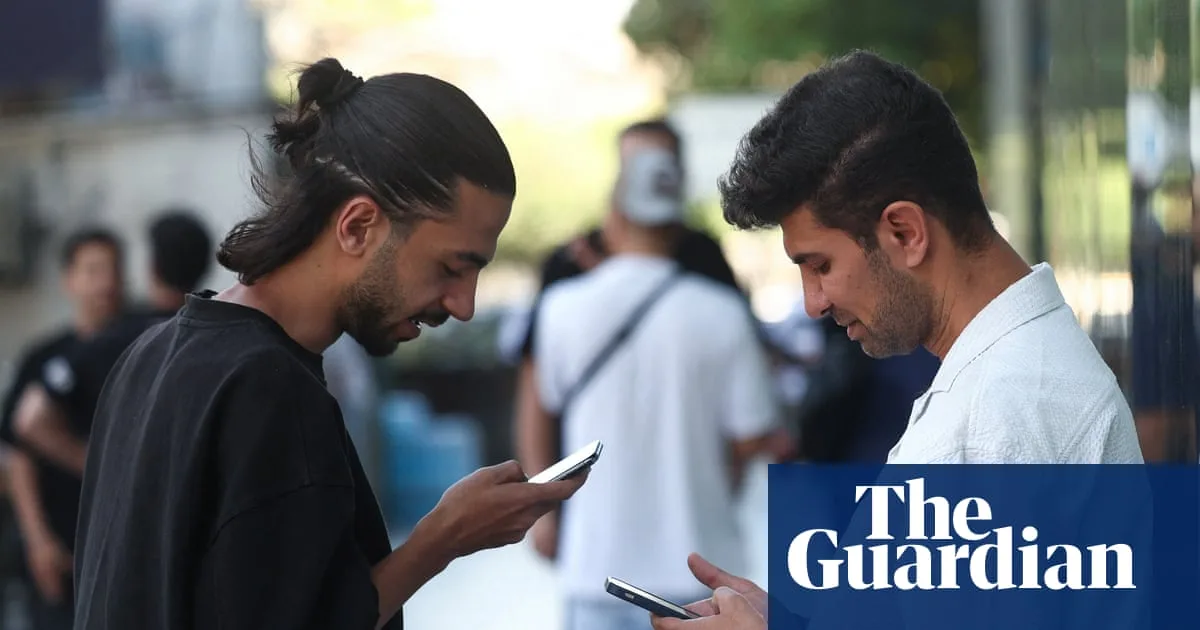
After 88 days of near-total internet blackout, Iranians experienced a partial restoration of connectivity on Tuesday evening, but the first reactions were far from celebratory. Many expressed scepticism, anxiety and anger, viewing the move as insufficient and potentially a tool for increased surveillance.
Ellie, a 42-year-old artist from Tehran, was able to connect for the first time since 28 February. She described holding back tears with her husband, calling it 'a small taste of a much greater freedom after the fall of this regime'. However, others condemned the international applause for the government's action. Maryam, a photographer, called it 'nauseating' and noted that mobile internet remained inaccessible, with WhatsApp barely functional.
The blackout, initially imposed on 8 January during anti-government protests, was partially lifted in February before a new shutdown following US and Israeli strikes. Many Iranians relied on costly VPNs or satellite internet, but the vast majority remained isolated. For those unable to afford such services, Tuesday marked the first chance to post on social media in months.
Some welcomed the return with cautious optimism, but others feared expanded monitoring. Mina, a protester arrested in January, said, 'They have no reason to open the internet unless this is a way to move the population towards “internet pro” or into tunnels where they can monitor us more easily.' Posts mourning those killed or executed flooded feeds, alongside videos of grieving families.
Humour also returned, often laced with bitterness. Moein, an IT professional, criticised US President Trump, saying the regime had 'clearly won the PR war'. For Iranians in the diaspora, the partial restoration brought mixed emotions, with many checking on friends and family, uncertain whether they had been arrested or killed.