Corsets Make a Dramatic Comeback at London Fashion Week
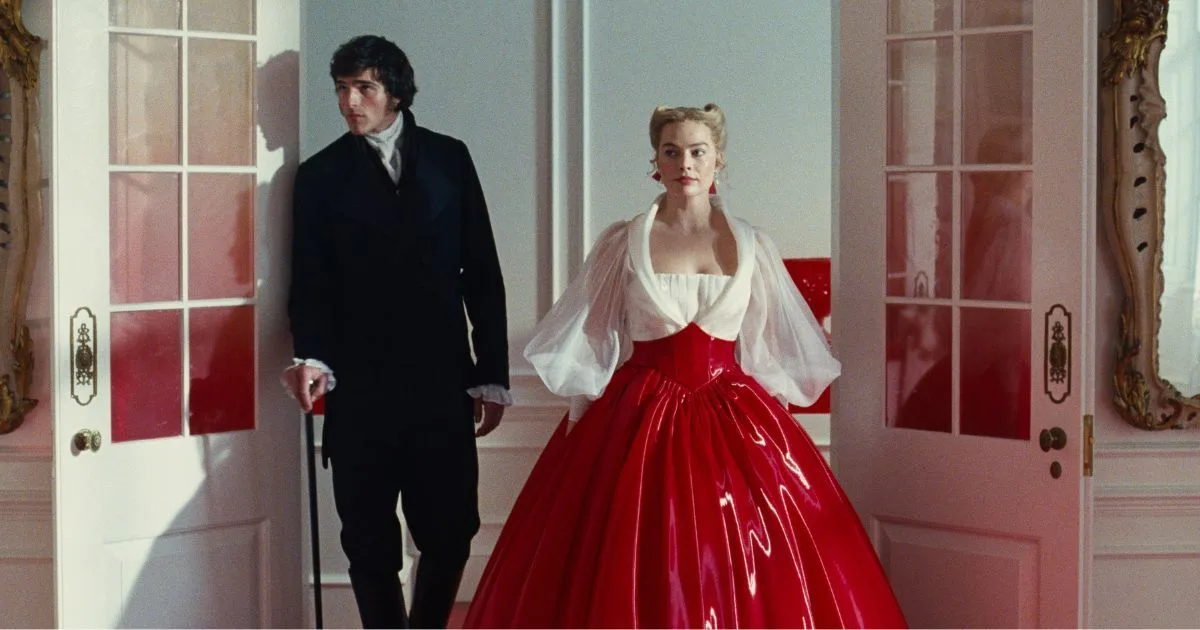
The autumn/winter 2026 collections at London Fashion Week have been overwhelmingly defined by the return of the corset, a trend largely attributed to the cultural impact of Emerald Fennell's polarising adaptation of Wuthering Heights. As the film continues to spark debate online, its gothic, period-inspired aesthetic has seamlessly aligned with the sartorial direction of leading designers, marking a significant shift from contemporary minimalist influences.
The Wuthering Heights Effect on the Runway
Far from being mere restrictive garments, this season's corsets are designed to accentuate and celebrate the female form in diverse ways. At Harris Reed, corsets were modelled with wing-like tips pointing upwards, while a Chantilly lace version extended from the waist to occupy more space. Patrick McDowell featured a tightly bound bridal bodice laced at the back, and Sinead Gorey presented pub culture-inspired corsets, including lingerie-style pieces shaping sheer shirting and a gothic blood-red satin mini dress.
Notably, Gorey's runway showcased models of all shapes and sizes, challenging the industry's persistent association of beauty with extreme thinness. Bora Aksu offered a haunting, gothic interpretation with gossamer capelets and sheer lace gowns, inspired by an 18th-century ghost story that echoes the eerie romance of Wuthering Heights. Models' faces were dusted with ghostly white powder, enhancing the collection's thematic depth.
Innovative and Subtle Corsetry Interpretations
Designers also explored more relaxed and nuanced approaches. Toga introduced soft, two-tone cardigan-style wraps around the waist, offering a contemporary, comfortable twist on traditional corsetry. At Erdem, subtle nods included a spliced corset dress in black jacquard and a red mesh gown with an underlying corset body, featuring practical elements like deep pockets in a candy floss-coloured frock.
Simone Rocha's organza gowns referenced corsetry through ribboned lace-up details reminiscent of Fennell's film, while loose-fitting jumpers were reimagined with buckles and satin ribbons. These designs emphasise that modern corsetry is about forward-thinking fashion, celebrating comfort, refined silhouettes, and the art of taking up space—physically, spiritually, and energetically.
Street Style Contrasts with Minimalist Revival
Off the runway, street style at London Fashion Week followed a distinctly different dress code, inspired by the late 1990s icon Carolyn Bessette Kennedy. Her resurgence in popularity, fueled by the Disney+ series Love Story, has revived 1990s minimalism. Show-goers embraced slick satin pencil skirts, cropped jeans, poloneck sleeveless shirts, boxy blazers, collared shirts, and black strappy sandals.
Many added square-toed boots under jeans for a dynamic edge, while others stayed true to Bessette Kennedy's signature looks with Levi's 501s, classic black knits, and Sezane trench coats paired with Parisian headbands. This minimalist aesthetic champions a less-is-more approach, starkly contrasting the runway's corset-driven emphasis on volume and statement-making.
Choosing Your Sartorial Lane
This season presents a clear sartorial dichotomy: the dramatic, corseted allure of Cathy from Wuthering Heights versus the understated, minimalist elegance of Carolyn Bessette Kennedy. Fashion enthusiasts may find themselves navigating between these two poles, reflecting the multifaceted nature of personal style. Whether embracing the bold, gothic romance of the corset or the sleek simplicity of 1990s revival, London Fashion Week 2026 underscores that women's fashion continues to evolve through rich, contrasting narratives.