Royal Ballet Revives 1960s Cult Classic Pierrot Lunaire After Two Decades
Royal Ballet Revives 60s Cult Classic Pierrot Lunaire

Royal Ballet Revives 1960s Cult Classic Pierrot Lunaire After Two Decades

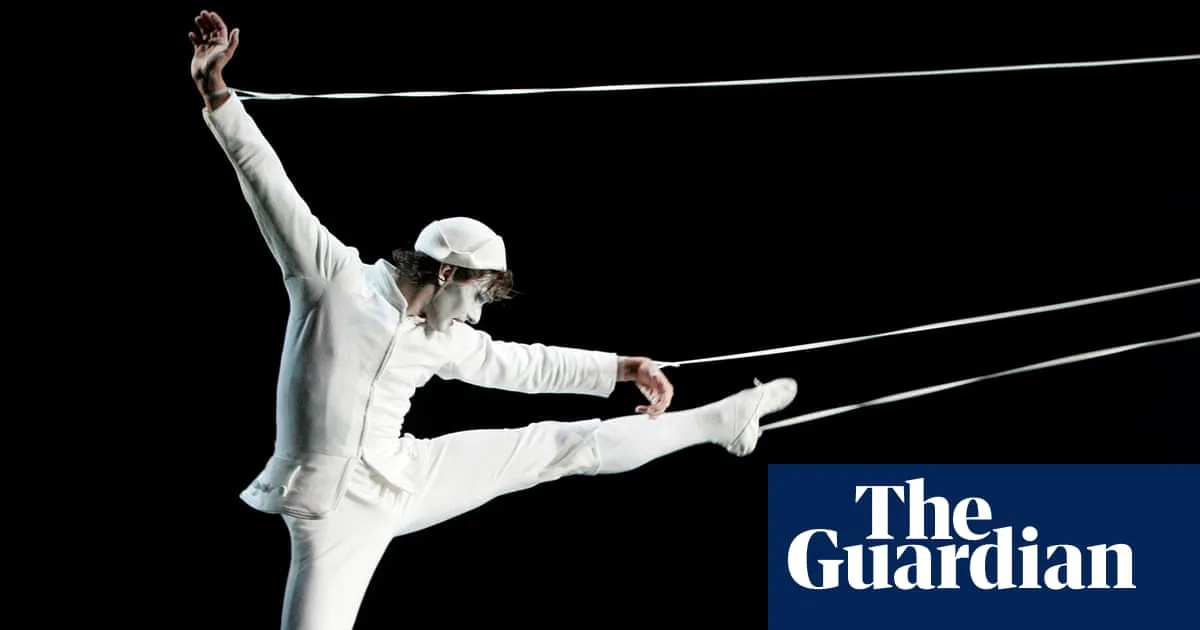
The Royal Ballet is set to bring back a 1960s cult classic to the stage for the first time in twenty years. Glen Tetley's fantastical ballet Pierrot Lunaire, created in 1962 and set to Arnold Schoenberg's atonal song cycle, is making a highly anticipated return to Covent Garden. This revival marks a significant moment in the company's repertoire, celebrating Tetley's centenary while reintroducing audiences to a pioneering work that blends modern dance with classical ballet.

Dancers Confront the Challenges of a Demanding Role

Marcelino Sambé, a principal dancer with the Royal Ballet, admits to initial trepidation when approaching the iconic role of Pierrot. "At first I was horrified by it!" he reveals, reflecting on his early encounters with Schoenberg's challenging score. Sambé, known for his vibrant and energetic performances, finds himself tapping into a more vulnerable and contemplative side for this production. "It's about bringing something of my DNA to it," he explains. "This archetype is full of human traces—it's deeply layered, comedic but based in darkness, a place of huge contemplation and self-discovery."

Joshua Junker, a soloist who will alternate in the role, views the ballet as a profound journey from innocence to the harsh realities of adulthood. "There is pain, there's suffering, there's responsibility," he notes, describing the emotional depth of Pierrot's character. Junker interprets the antagonist Brighella not just as a separate figure but as a representation of Pierrot's internal struggles, akin to the shadow in Jungian psychology.

A Pioneering Work with Lasting Influence

Pierrot Lunaire holds a special place in ballet history as a groundbreaking piece that fused classical techniques with modern dance influences. Glen Tetley, who first performed the role himself, drew from his experiences with both classical companies like American Ballet Theatre and modern dance pioneers such as Martha Graham. His choreography was revolutionary for its time, helping to transition companies like Ballet Rambert into modern dance troupes and leaving a lasting impact on the UK dance scene.

The ballet, based on poems by Albert Giraud and delivered in the unique sprechstimme vocal style, offers a narrative that is eerie, fantastical, and emotionally resonant. At forty minutes long, it will be performed as a standalone piece in the Linbury Theatre, providing an intimate experience for audiences. "Just the three of us, close up on a small stage," says Junker, emphasising the focus on live music and nuanced performances.

Embracing Discomfort and Artistic Challenge

Both dancers highlight the initial difficulty of connecting with Schoenberg's atonal music, which Sambé describes as "probably his least accessible work." However, through rehearsal and immersion, they have come to appreciate its mercurial and evocative qualities. "Music becomes a feeling," Sambé observes, "almost like an organism in itself, with its own veins and blood." He now finds himself listening to the score in everyday moments, a testament to its growing influence.

Sambé sees this revival as an opportunity to engage with a modernist moment in dance that deliberately challenges audiences. "It's something that is confronting, not just ballet that is comforting," he states. "We don't experience work so much like this any more. It's going to be uncomfortable and funny, poignant, sad and beautiful at the same time." He predicts that the production will leave viewers with more questions than answers, embracing the complexity that defines enduring art.

As the Royal Ballet prepares to stage Pierrot Lunaire from 10th to 20th February, this revival not only honours Glen Tetley's legacy but also invites a new generation to discover a cult classic that continues to captivate and challenge.