Paul Taylor Dance Company Returns to London with Athletic Grace and Joyful Movement
The Paul Taylor Dance Company has made a long-awaited return to London, marking their first appearance in the capital in over twenty years. Their current run at the Linbury theatre presents a compelling programme that showcases both Taylor's timeless choreography and new works from resident choreographers, offering audiences a vibrant celebration of American modern dance.
Brandenburgs: A Testament to Taylor's Enduring Vision
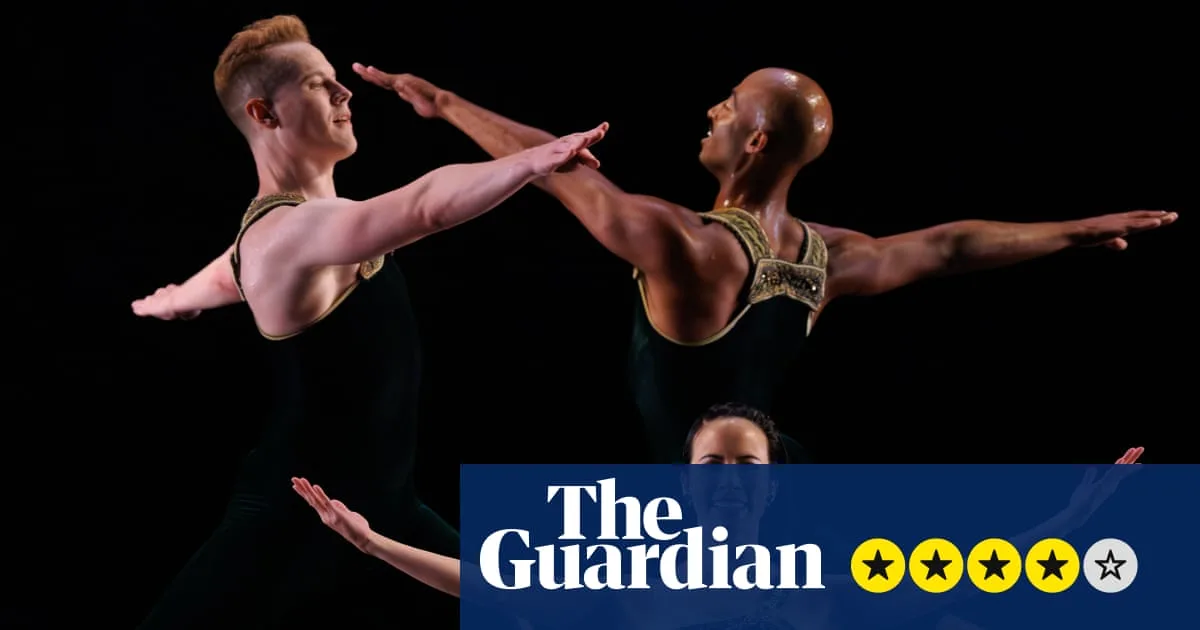
At the heart of the programme is Taylor's 1988 masterpiece Brandenburgs, set to two of Bach's eponymous concertos. The piece opens with dancers in distinctive green velour costumes beaming beatifically at the audience, an initial impression that might seem somewhat dated to contemporary sensibilities. However, this initial reaction quickly transforms as the work unfolds into what can only be described as a hurricane of leaping, spinning, and meticulously honed technique.
Over the course of twenty-five minutes, Brandenburgs reveals itself as a profoundly joyful celebration of movement and life. Taylor's choreography is characterised by sleek angles, clearly delineated forms, and an unabashed commitment to entertainment. The dancers move with remarkable athleticism, creating expansive spaces between their feet and the floor during leaps while maintaining beautiful open positions that seem frozen in perfect postcard moments.
The women's Grecian-style dresses contribute to an Olympian atmosphere, with certain scenes evoking classical imagery of Apollo and his muses. There's a distinct Euclidean geometry at play in the formations and movements, creating patterns that feel both mathematical and organic. As critic Martha Graham might have observed, these dancers resemble nothing less than athletes of the gods, though in this case their divine inspiration appears to be Bach himself.
Preserving Legacy While Embracing New Directions
Paul Taylor, who led his company for more than six decades until his passing in 2018, was one of American modern dance's most prominent figures. The company's current London engagement represents not just a celebration of his legacy but also demonstrates how the organisation continues to evolve while honouring its founder's vision.
The programme includes Taylor's final work Concertiana from 2018, alongside other pieces that showcase the breadth of his choreographic output. What remains consistent across these works is their accessibility - every step feels recognisable, readable, and perfectly attuned to the musical accompaniment. Despite the impressive speeds and dizzying number of turns, there's a refreshing simplicity to Taylor's approach that harks back to analogue times, offering a welcome respite from our current era of sensory overload.
New Voices and Contemporary Tributes
The company's commitment to innovation is evident in works by resident choreographers, including Robert Battle, former artistic director of the Alvin Ailey American Dance Theater. Battle's piece Under the Rhythm serves as a heartfelt tribute to his mother and explores dance's power to sustain us through life's challenges.
The work feels like a vibrant celebration of African American jazz and modern dance traditions, moving from the riotous energy of a Harlem dancefloor to sophisticated sequences featuring dancers in red tailcoats reminiscent of the Nicholas Brothers. There are subtle nods to Ailey's legacy throughout, and even what might be interpreted as references to popular culture, creating a rich tapestry that acknowledges both the pain and prejudice underlying these dance traditions while showcasing pure virtuosity and showmanship.
Contrasting Moods and Emotional Landscapes
The programme's emotional range is further demonstrated in Taylor's 1997 work Piazzolla Caldera, which presents a stark contrast to the joyful exuberance of Brandenburgs. This feisty, tango-inspired piece delves into expectations of Buenos Aires's seedy underworld, replacing smiles with seriously smouldering looks and furrowed brows that indicate intense emotional states.
While the dramatic expressions might occasionally feel effortful, the piece remains compelling viewing throughout. Like all Taylor's work, it maintains a fundamental commitment to audience enjoyment, creating an experience that's difficult to resist. The company's ability to navigate such contrasting emotional territories speaks to their remarkable versatility and technical mastery.
The Paul Taylor Dance Company's London engagement continues at the Linbury theatre until 31st January, offering audiences a rare opportunity to experience one of American modern dance's most important legacies, presented with athletic grace, musical precision, and undeniable joy.