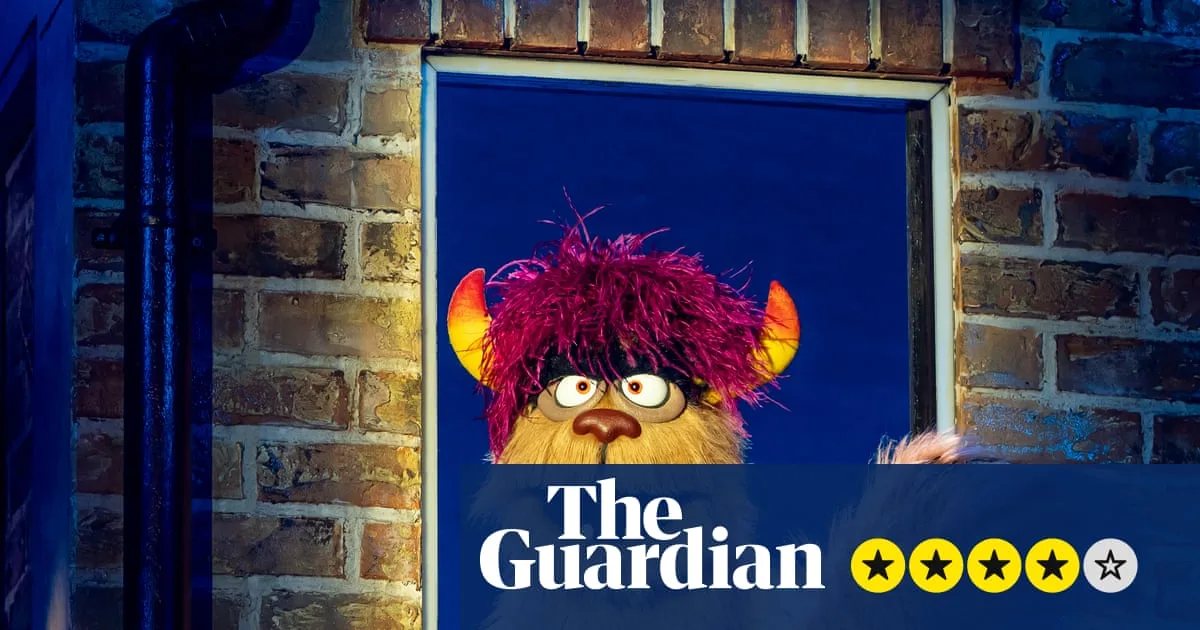
Twenty years after its West End debut, the provocatively subversive musical Avenue Q has returned to London's Shaftesbury Theatre, bringing its signature blend of puppet nudity, taboo-busting songs, and heartfelt comedy. The Tony award-winning show by Robert Lopez and Jeff Marx features a cast of fuzzy puppets and human actors navigating love, existential crises, and adult misbehaviour on a New York street.
The production, directed by Jason Moore on Anna Louizos's flat, house-lined set, follows college graduate Princeton (Noah Harrison) as he arrives on Avenue Q and embarks on a romance with the Shrek-like Kate Monster (Emily Benjamin). Their neighbours include Japanese therapist Christmas Eve (Amelia Kinu Muus), former child star Gary (Dionne Ward-Anderson), and flatmates Rod (Harrison) and Nicky (Charlie McCullagh), modelled on Sesame Street's Bert and Ernie.
Songs such as If You Were Gay, Everyone's a Little Bit Racist, and The Internet Is for Porn aim to bust taboos, though their shock value has diminished since the show's 2003 debut. The subject matter remains current, referencing homophobia and Black Lives Matter, while Kinu Muus's hammy Japanese accent and the pre-#MeToo character Lucy the Slut stand out as potentially striking elements.
The show's comic dissonance between the puppets' innocent appearance and their adult behaviour—drinking, pole dancing, sex, and betrayal—drives its faux-naivety. Lopez and Marx's songs shine, from the clever Schadenfreude to Kate's melancholy There's a Fine, Fine Line and Rod's closeted anthem My Girlfriend, Who Lives in Canada. The cast of actor-puppeteers perform with such vigour that the puppets appear to be the ones singing and speaking.
Puppet designer Rick Lyon's creations wink at Sesame Street, where he worked for 15 seasons, but Jeff Whitty's book has been updated with jokes about AI, OnlyFans, and Spotify, including a tongue-in-cheek reference to mix tapes as 'olden days'. The production trades on its sweet-and-subversive charms, offering escapism while acknowledging real-world mess. It ends on a hopeful note, echoing the message that 'this too shall pass'—even for Donald Trump.