A catastrophic accident during the filming of a major Hollywood movie in 1982 resulted in the deaths of three people, casting a long and dark shadow over the film industry. The victims were veteran actor Vic Morrow and two young child actors, Myca Dinh Le and Renee Shin-Yi Chen.
The Fatal Night on Set
The tragedy unfolded in the early hours of July 23, 1982, at the Indian Dunes location in California. The crew was shooting a scene for Twilight Zone: The Movie, a production co-directed by John Landis and executive produced by Steven Spielberg.
Vic Morrow, aged 53, was playing a character named Bill Connor. The scene required him to carry the two children, seven-year-old Myca and six-year-old Renee, across a river while being pursued, with a helicopter hovering menacingly overhead. The sequence was being filmed after midnight, around 2:20 am.

What Went Wrong with the Helicopter Stunt?
According to the subsequent investigation, the disaster was triggered by a special effects explosion. The blast, which occurred too close to the low-flying aircraft, damaged the helicopter's rotor blades with debris and intense heat.
This caused the tail rotor assembly to fail, sending the helicopter into an uncontrolled descent. It crashed into the shallow river, killing Morrow and Myca Dinh Le by decapitation and crushing Renee Shin-Yi Chen. Disturbingly, the children's parents were present on set and witnessed the horrific event.
Six other people on board the helicopter sustained minor injuries. The investigation later revealed that having the children working at that hour violated child labour laws, which strictly prohibit minors from working near explosives or aircraft during night shoots.
Aftermath: Trials, Acquittals, and Industry Reckoning
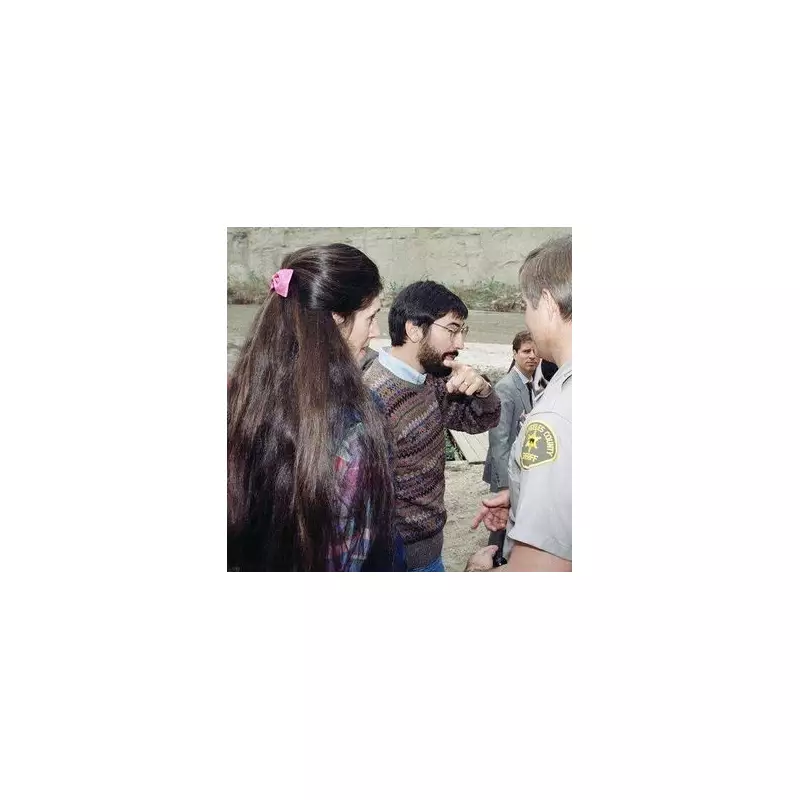
In the wake of the tragedy, John Landis and four other members of the production staff faced criminal charges of involuntary manslaughter. After a gruelling nine-month trial in 1986 and 1987, all defendants were acquitted.
The case sparked intense debate within Hollywood. While a group of 16 prominent filmmakers, including George Lucas and Francis Ford Coppola, signed a statement of support for Landis, Steven Spielberg notably refused. He told the Los Angeles Times in 1983, "No movie is worth dying for." He emphasised the right of any crew member to halt filming if safety was compromised.
The families of the two child actors pursued civil cases and reached out-of-court settlements for undisclosed sums. The National Transportation Safety Board's final report in October 1984 cited the primary cause as the detonation of explosions too near the helicopter, combined with a critical failure in communication between the pilot and the film director.
Astonishingly, production on Twilight Zone: The Movie continued, and the film was released in June 1983. The tragedy remains one of the most infamous and avoidable disasters in cinematic history, leading to increased scrutiny of safety protocols on film sets worldwide.