The Trial: A Searing Documentary of Argentina's Dirty War Reckoning
From 1974 to 1983, Argentina was gripped by a brutal period known as the Dirty War, where the military junta, under the guise of national security, waged a violent campaign against its own citizens. Tens of thousands of people from all social classes were labeled as subversives and forcibly disappeared, often murdered by state forces. This dark chapter in history is powerfully revisited in Ulises de la Orden's documentary, The Trial, which premieres on True Story from 24 April.
Courtroom Footage as a Tool for Preservation
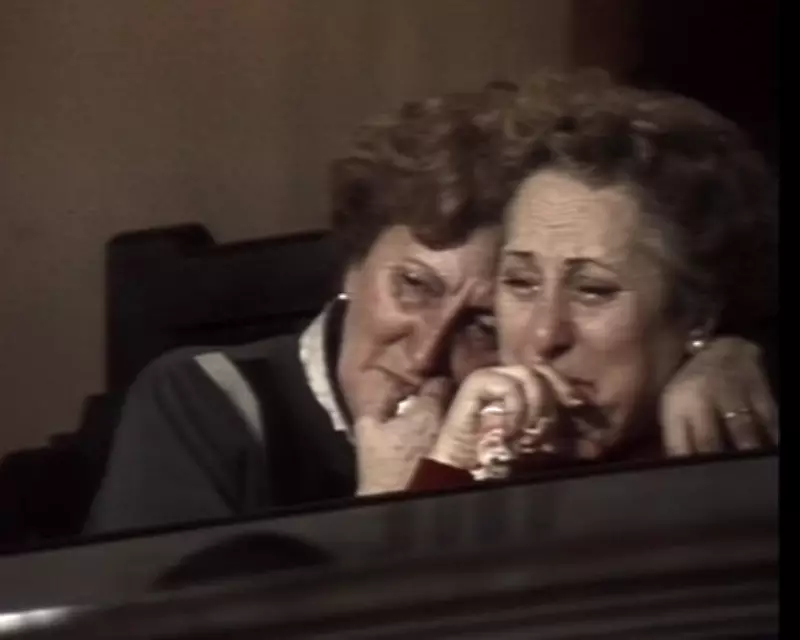
Composed entirely of archival footage from the landmark 1985 Trial of the Juntas, the film serves as a profound work of preservation and remembrance. Nine military officials, including dictator-in-chief Jorge Rafael Videla, were prosecuted for their crimes, and this documentary expertly edits 530 hours of recordings into 18 chapters. Each chapter is titled with a moving phrase from the testimonies, distilling the barbarism of the military's genocidal tactics.
Focus on Survivor Testimonies and Collective Trauma
The documentary places a strong emphasis on the witnesses and survivors, who are mostly filmed from behind. This approach lends dignity to their emotions and de-sensationalises their harrowing experiences. As they recount past horrors, many break down, but their obscured faces transform them from lone victims into a chorus of dissent and solidarity. Their stories, delivered in a judicial setting, lay bare the methodology of state-sponsored violence and the collective trauma shared across generations.

Tension and Justice in the Courtroom
Confronted with the anger and pain of the witnesses, the defence responds with feeble arguments professing patriotism, which are met with jeers and disgust from spectators. The editing maintains a bubbling tension between multiple vantage points and groups with clashing ideas of justice, highlighting the ongoing struggle for accountability.
By preserving this oral history, The Trial not only bears witness to past injustice but also sounds a warning to the future, ensuring that the voices of the disappeared are never forgotten.