Gerard Butler's return to the post-apocalyptic landscape in Greenland 2: Migration has arrived, but this follow-up to the surprisingly sober 2020 hit struggles to justify its existence. The sequel, directed once more by Ric Roman Waugh, trades the original's tense, thoughtful survival story for a glum and often misjudged adventure that takes itself far too seriously.
A Bleak New World for the Garrity Family
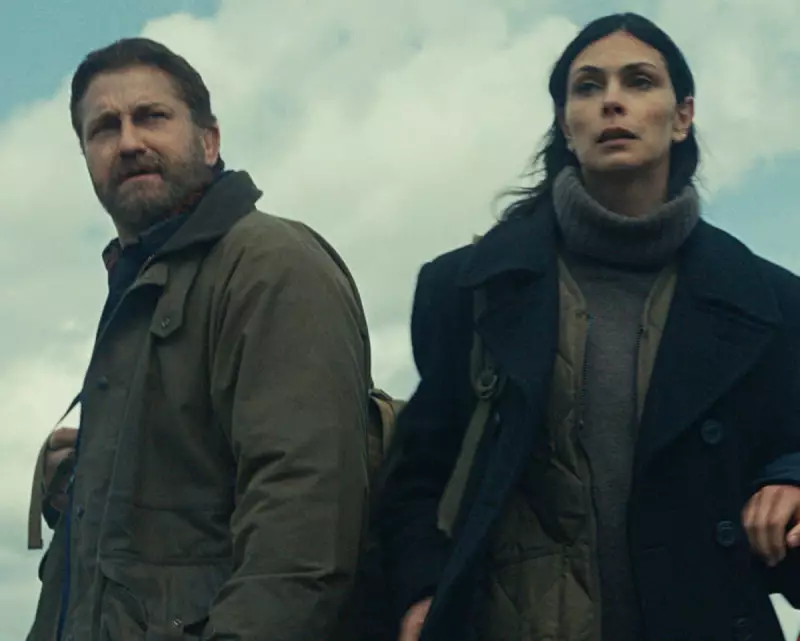
The film rejoins engineer John Garrity (Gerard Butler), his wife Allison (Morena Baccarin), and their now-teenage son Nathan (now played by Roman Griffin Davis) five years after the comet fragments devastated Earth. They are living in a government bunker in Greenland, a privilege that comes with the heavy price of claustrophobia and a severe loss of freedom. The hopeful clearing of the air hinted at the end of the first film has proven unreliable, forcing the survivors to remain underground.
This fragile existence is shattered when a series of earthquakes destroys the bunker. Forced back to the surface, a small group of survivors, including the Garrity family, embarks on a perilous journey. Their mission is to reach a rumoured crater in France, which is said to contain a large pocket of breathable air. This sets the stage for a country-hopping quest that, while broader in scope, feels like a repetitive retread of the first film's core dynamic: John improvising a dangerous path to safety for his family.

Missed Opportunities and Wobbly Execution
Director Ric Roman Waugh, collaborating with Butler for their fourth film, keeps the plot moving but fails to generate consistent excitement. The environmental threats are now more sporadic—smaller comet fragments, radiation storms, and tidal waves—which diminishes the urgent countdown clock that powered the original. The film attempts to compensate with added health dramas, but the tension feels manufactured.
The action set pieces are a mixed bag. One particularly ridiculous sequence involves the family navigating a series of comically rickety bridges across a dried-up English Channel. The film's budgetary limitations become apparent, with compelling wide shots of desolate landscapes undermined by shaky, dimly lit close-ups during confrontations and gunfights.
A Tone of Unearned Grimness
Where Greenland 2: Migration truly falters is in its oppressive tone. It doubles down on the earnestness of its predecessor, lurching between randomly killing off side characters and then wallowing in maudlin sentiment about its own brutality. While a post-apocalyptic story rightly carries sadness, Waugh's handling of human drama is often clumsy and indelicate, doing no favours for his lead actor.
Butler, who has settled into a dependably rugged middle-aged presence, is pushed here towards a kind of good-dad bathos. The film seems desperate to transform its 98-minute runtime into a prolonged funeral dirge, all while carefully avoiding any real-world parallels that might resonate too deeply with audiences. Early nods to its accidental status as a Covid-era film—with masking gear and radiation sickness paranoia—are quickly abandoned, severing a potential connection to contemporary fears.
Ultimately, Greenland 2: Migration takes itself seriously in all the wrong ways. It seeks a safe distance from reality while asking viewers to mourn an imagined nobility it hasn't convincingly built. The sequel arrives in US cinemas on 9 January, with UK and Australian releases to follow, but for fans of the superior original, this migration might be one worth skipping.