Alex Cox's Final Film: Dead Souls - A Surreal Anti-Trump Western
Alex Cox's Final Film: Dead Souls Western Review

English film-maker Alex Cox rides into the cinematic sunset with his final feature, Dead Souls, a jauntily odd and surreal spaghetti western that serves as both a love letter to the genre and a pointed political satire. Shot on the rugged plains of Almeria in Spain and Arizona, this indie-budget film premiered at the Rotterdam film festival, marking a distinctive close to Cox's directorial career.

A Surreal Transplant from Gogol to the Old West

Cox, best known for cult classics like Repo Man, relocates Nikolai Gogol's classic 19th-century Russian novella to the American frontier of the late 1800s. The original story follows a man who travels through pre-revolutionary Russia buying the souls of dead serfs from landowners to help them avoid taxes, while planning to pose as a wealthy man by claiming these deceased individuals are still alive.

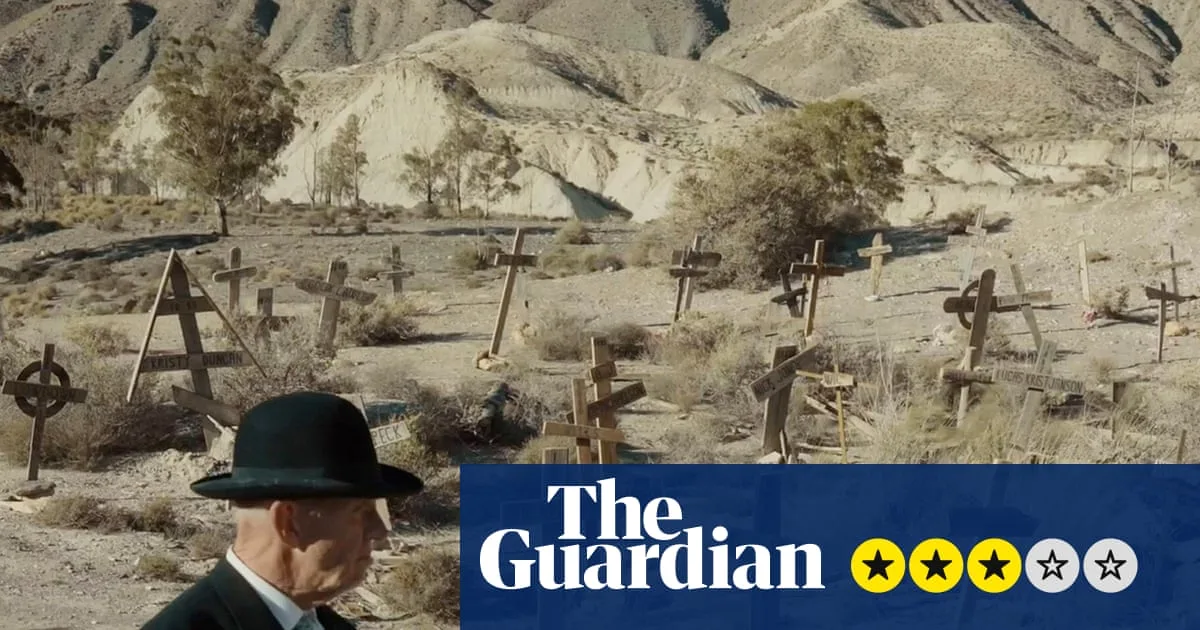
In Cox's reimagining, this surreal parable becomes a commentary on contemporary American politics, with the director himself starring as the mysterious Strindler. This spindly, cadaverous character arrives in a dusty western town wearing an elaborate suit and bowler hat, presenting himself variously as a government official and itinerant preacher.

Strindler's Sinister Proposition

After ingratiating himself with local notables including the sheriff and mayor - to whom he deliberately loses at cards - Strindler reveals his bizarre business proposition. He offers to pay surprisingly large sums for lists of dead Mexicans who have died on local properties or in employment.

In this exploitative, racist frontier world, there are numerous Mexican names available for what Strindler calls "farming." His sinister plan involves selling these lists to government departments seeking evidence that undesirable aliens are being excluded from American territory. Yet paradoxically, Strindler also presents his scheme as offering a form of cleansing or redemption - taking these dead people off the landowners' hands.

A Proto-ICE Drifter in a Corrupt World

Strindler emerges as a kind of proto-Immigration and Customs Enforcement figure, though Cox imbues him with a distinctive, quaint innocence. Despite being thoroughly crooked himself, Strindler finds himself outranked in dishonesty by nearly everyone he encounters in this morally bankrupt frontier society.

The character's vulnerability becomes particularly apparent when he's challenged to a gunfight - a duel that descends into bloody chaos. Following this violence, the recording authorities decide to "print the legend and not the truth," highlighting how narratives become distorted to serve particular interests.

Dream Sequences and Theatrical Presentation

Dead Souls embraces its indie-budget aesthetic, with Cox presenting the action almost as a theatrical chamber piece. Bizarre characters populate the parched landscape, and the film includes surreal moments where dead men rise to sing. In one particularly striking dream sequence, Strindler finds himself catapulted into an American future during a third world war, where his services are needed to purchase the names of dead Russians, Chinese, and Peruvians.

Cox co-wrote the screenplay with veteran spaghetti western actor Gianni Garko, bringing authentic genre knowledge to this unconventional project. The film maintains a distinctive visual style that turns budgetary limitations into artistic virtues.

Political Satire and Genre Homage

While functioning as an entertaining genre piece, Dead Souls carries obvious relevance to contemporary America, with a flash-forward sequence making some of these connections explicit. The film serves as what Cox describes as a "satirical thorn in the flesh of Trumpian politics," using the western genre's traditional tropes to critique modern immigration policies and bureaucratic exploitation.

This final film from the Repo Man director represents both a diverting, watchable homage to spaghetti western cinema and a thoughtful political commentary. Dead Souls successfully transplants Gogol's mysterious parable about greed and vanity to a new context while maintaining the surreal, philosophical qualities that made the original novella so distinctive.

The Rotterdam film festival screening provided an appropriate venue for this unconventional western, which combines literary adaptation, genre homage, and political satire into Cox's distinctive cinematic swansong.