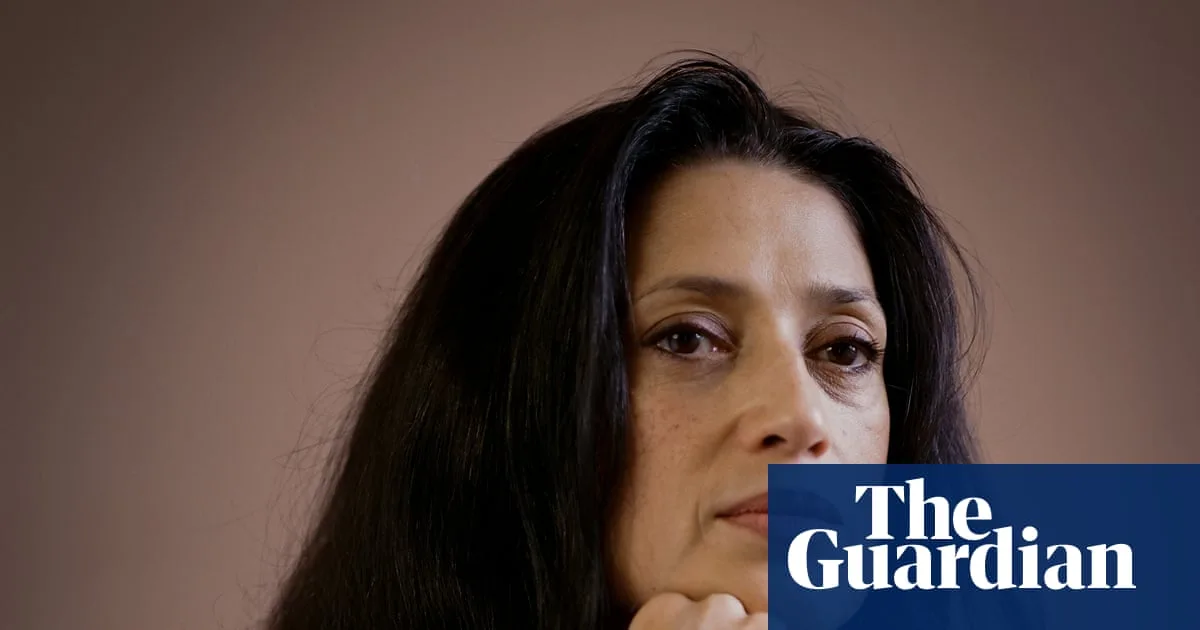
Fatima Bhutto, the acclaimed Pakistani author and journalist, has bravely revealed a harrowing chapter from her personal life in her forthcoming memoir, The Hour of the Wolf. In an exclusive interview, Bhutto discusses the decade-long abusive relationship she endured, a secret she kept from everyone around her while maintaining her public persona as a strong, accomplished writer and activist.
A Devastating Account of Coercive Control
Bhutto's new book represents a raw and vulnerable departure from her previous work. What began as a pandemic-era project focused primarily on her dog, Coco, transformed into what she describes as "telling the truth" about an eleven-year relationship with a man she refers to only as "The Man." The memoir charts her painful realisation that this charismatic, "old-school masculine" figure had systematically manipulated her into accepting sporadic kindness and adventure as genuine love.
The Relationship Dynamics
The two met in New York in 2011 while Bhutto was promoting her explosive family memoir, Songs of Blood and Sword. Their long-distance relationship spanned eleven years, with meetings approximately once a month that suited Bhutto's peripatetic lifestyle of journalistic assignments and literary festivals. During this period, she published novels and essays, even receiving a Women's Prize for Fiction nomination.
"The only way to survive 11 years of that is to think of it as a love story," Bhutto reflects, explaining how she rationalised the controlling behaviour, rage, contempt, and isolation from friends that characterised the relationship. She notes the particular cruelty of public humiliation, recalling how he would belittle her in restaurants, shops, and on holiday.
Breaking the Silence
"I didn't really want to do it," Bhutto admits about writing the memoir. "Because I felt ashamed, I felt embarrassed, I did feel all those kinds of things. But I also know that if I'd read something like this, it would have helped me."
The relationship finally ended in 2021 when Bhutto, then 39, realised The Man would never provide the stability and family life she desired, despite her undergoing fertility preservation procedures. Remarkably, she met her husband Graham in 2022 and has since had two sons, Mir and Caspian, within three years.
The Protective Shield Illusion
Bhutto's account serves as a powerful reminder that intelligence, accomplishment, and public admiration offer no immunity from psychological violence. "I thought it could never happen to me because it hadn't been physical," she explains, though she reveals in the book that he once bit her finger so hard it caused nerve damage.
"All the while it was happening, and happening, and happening, and I hadn't connected it," she continues. "I just thought the cliche was too obvious. You know, that someone wants to break a strong woman? I mean, I was not young enough for this to be excusable."
Family Legacy and Trauma
Bhutto's revelation becomes even more poignant against the backdrop of her family's turbulent political history. As the granddaughter of executed Prime Minister Zulfikar Ali Bhutto and niece of assassinated Prime Minister Benazir Bhutto, she has lived with security concerns and public scrutiny her entire life.
She connects her childhood experiences—being whisked away on sudden "adventures," maintaining secrecy about her whereabouts, and casual discussions about political violence—with her tolerance for the abusive relationship's demands for secrecy and isolation.
"I don't think I had properly healed from my life, really," Bhutto reflects. "Not until after this relationship, because so much of what had traumatised me had been part of my life. The fear I had growing up really played in beautifully to this whole thing. The need for secrets? I understood that because I have had to live like that."
Political Disengagement and Activism
Despite her family's political legacy, Bhutto has consciously avoided entering politics herself. "It's made me uncomfortable around power though, rather than craving it," she explains. "I'm very well aware of the dangers of power. I'm not stupid enough to think, 'Oh, if I went into politics, I'd be different'. I know no one is different."
Instead, she has channeled her energy into writing and activism, most recently focusing on Gaza through her edited collection Gaza: The Story of a Genocide. She notes the stark contrast between her own safe childbirth experiences and the conditions facing Palestinian mothers.
Moving Forward
Today, Bhutto maintains a deliberately private family life abroad for security reasons, though she occasionally visits friends in Chelsea. Surrounded by her husband, children, and dogs, she projects a hard-won peace while acknowledging the ongoing processing of her experiences.
The Hour of the Wolf stands as both a personal catharsis and a public service—a testament that abuse can affect anyone, regardless of strength, intelligence, or background. Bhutto's calm, measured prose makes her account of psychological violence all the more devastating and ultimately transformative.