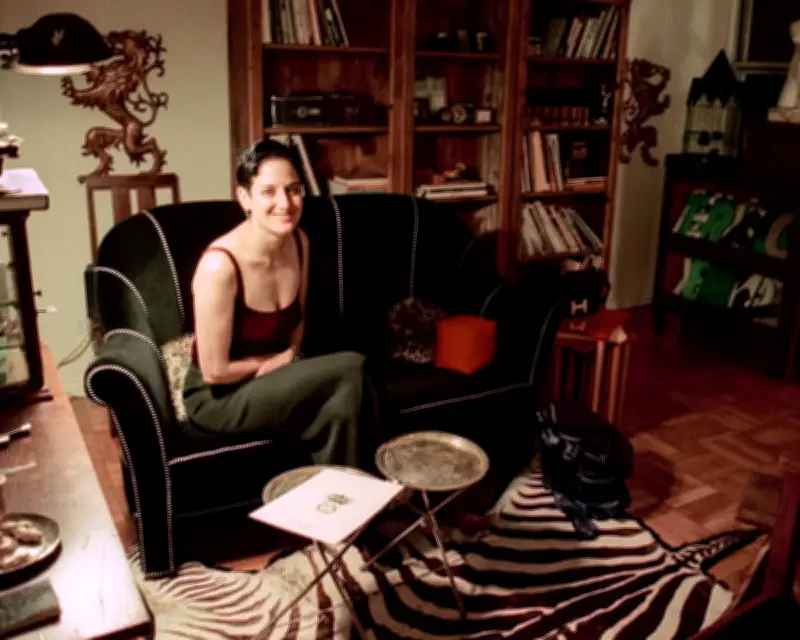
Alan Berliner's latest documentary, Benita, reimagines the unfinished work of the late filmmaker Benita Raphan, creating an entrancing and deeply personal tribute. The film premiered at the 2026 Sheffield DocFest, where it received critical acclaim for its innovative approach to archival material.
A Unique Collaboration Across Time
Berliner, known for his experimental documentaries like The Sweetest Sound and Wide Awake, discovered Raphan's extensive collection of footage after her death in 2020. Rather than simply compiling her work, he weaves his own narrative around her images, creating a dialogue between two filmmakers. The result is a film that feels both intimate and universal, exploring themes of memory, creativity, and loss.
The documentary features over 100 hours of Raphan's personal and professional footage, which Berliner edited into a 75-minute feature. According to Berliner, the project allowed him to 'find a new language' for documentary storytelling, blending his signature style with Raphan's unique vision.
Critical Reception and Impact
Critics have praised Benita for its emotional depth and technical ingenuity. The Guardian's review called it 'a masterclass in cinematic archaeology,' highlighting Berliner's ability to transform raw material into a cohesive and moving narrative. The film holds a 92% approval rating on Rotten Tomatoes, with many noting its innovative use of sound and visual layering.
Berliner said in an interview, 'I wanted to honor Benita's work while also making it my own. It was a delicate balance, but I think we achieved something truly special.'
Exploring Themes of Legacy and Art
The film delves into Raphan's life as a filmmaker, artist, and teacher, using her footage to paint a portrait of a creative mind. Berliner incorporates home movies, unfinished projects, and even outtakes, offering a raw and unfiltered look at the artistic process. The documentary also features interviews with Raphan's family, friends, and collaborators, providing context and emotional resonance.
One particularly striking segment shows Raphan's experimental animation work, which Berliner juxtaposes with contemporary scenes of urban life. This technique underscores the timelessness of her vision and the enduring power of art to connect across generations.
Technical Innovation and Style
Berliner employs a range of techniques to bring Raphan's work to life, including split-screen, time-lapse, and manipulated sound. The film's score, composed by Berliner's longtime collaborator, blends ambient sounds with classical music, creating a haunting and immersive experience. The editing is particularly praised for its rhythm and pacing, which mirrors the ebb and flow of memory.
According to the film's press notes, Berliner spent over two years in the editing room, meticulously combing through Raphan's archives. He described the process as 'like solving a puzzle where the pieces kept changing shape.'
Conclusion
Benita stands as a testament to the power of collaboration across time and the enduring impact of artistic vision. It is a must-see for fans of experimental cinema and anyone interested in the creative process. The film is currently seeking distribution and is expected to screen at additional festivals throughout the year.