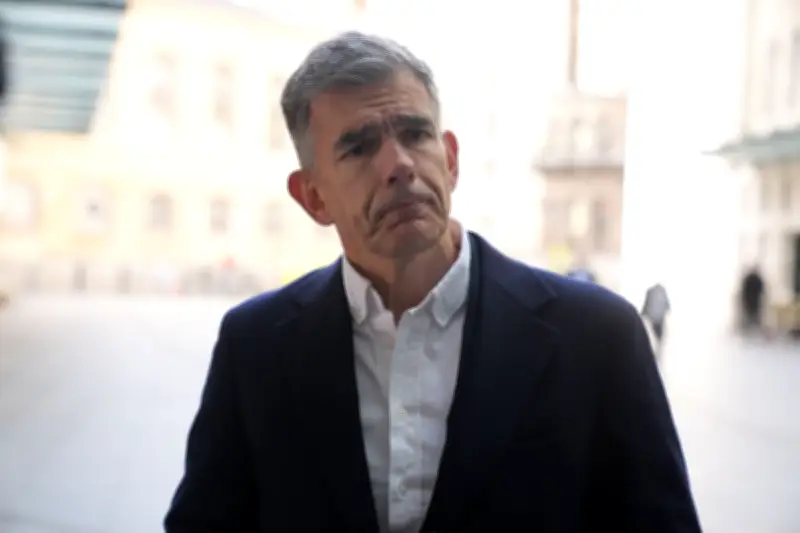
BBC director-general Matt Brittin has declared that the corporation is being 'held back' by the TV licence fee, which he described as 'no longer fit for purpose'. Appearing before the Culture, Media and Sport Select Committee on Wednesday, Brittin argued that the current funding model is outdated in an era of changing viewing habits.
Licence Fee Under Scrutiny
The standard TV licence costs £180 per year and is legally required for watching or recording live television on any channel or service, as well as for using BBC iPlayer. However, with the rise of streaming services and on-demand content, the licence fee has faced criticism for declining relevance. Brittin, who succeeded Tim Davie as head of the BBC almost seven weeks ago, told MPs: 'The BBC is locked into yesterday's model of consumption. The licence fee is payable on linear television and iPlayer when the world's moved on.'
He added: 'Consumers are living in today's world – or tomorrow's world today – and so we need to look again at the mechanism for funding the BBC as part of the charter.'
Alternative Funding Models
Brittin, a former Google executive, addressed potential alternatives to the licence fee, including commercial advertising and subscription models. He cautioned that adopting advertising would 'take it away from others' and would have 'a devastating impact on the economy'. However, he described a subscription model, similar to Netflix or Disney+, as 'compelling in terms of extending (the licence fee scope) to reflect the reality of today's audiences'.
He emphasised the importance of universal, sustainable, and scale funding for the BBC's independence and future. 'I think the BBC is still relevant to young people, but it hasn't been going where the audience is – and coming from a world of technology, I know that very well,' Brittin said. He acknowledged progress but insisted the BBC 'needs to go further' and is 'held back by that straitjacket of the current licence fee mechanic'.
Job Cuts and Restructuring
Brittin was also questioned about the BBC's recent announcement to cut 2,000 jobs as part of a plan to reduce costs by 10% over three years. Last month, the corporation confirmed 550 job cuts in news, nations, and TV and radio content as the first stage of its savings plan. Brittin said: 'I came in with the need to save 10% of cost already announced, and I've been working with the team when we made the first set of announcements. There will be more to come about how that restructuring happens.'
He outlined his dual role: 'My job is to do two things: come in and make sure that we are operating within the envelope we currently have, argue for a better funding solution for the future, and to reshape the BBC for the future.'
Accountability and Scrutiny
When asked whether he would 'play it safe' as director-general, particularly during controversies, Brittin responded: 'I think no programme or presenter is bigger than the corporation, particularly a corporation that is funded by the public, and that's why I think the bar is rightly high for the BBC.' He acknowledged the high level of scrutiny, noting that it is 'sometimes very polarised from people with a commercial interest in how they're covering the BBC'. Brittin concluded: 'I come into this with my eyes wide open.'