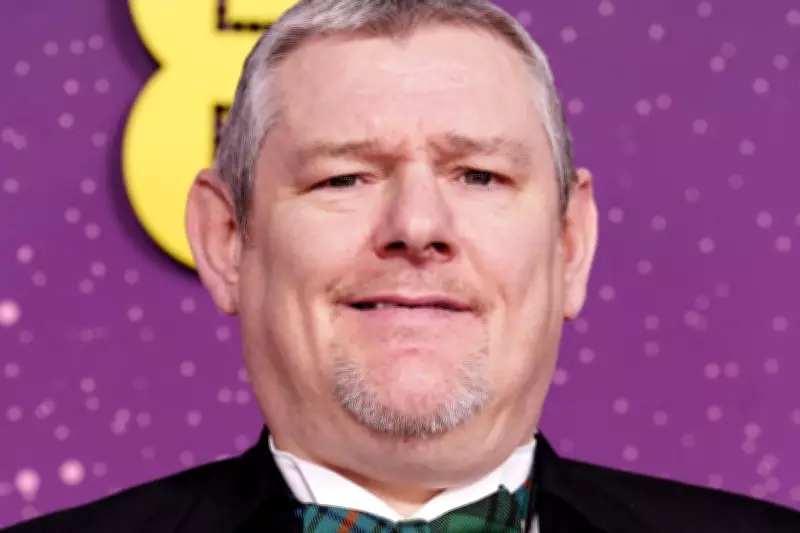
Bafta N-word Incident: Tourette's Campaigner 'Deeply Mortified' Over Unintentional Slur
Tourette syndrome campaigner John Davidson has issued a heartfelt statement expressing he is "deeply mortified" if anyone believed his involuntary tic at the Bafta Film Awards was intentional. The incident occurred during a live ceremony at London's Royal Festival Hall on Sunday, February 22, 2026, when Davidson involuntarily shouted the n-word while actors Delroy Lindo and Michael B Jordan were onstage presenting the visual effects award.
Ceremony Disruptions and Host's Explanation
Throughout the prestigious awards ceremony, Davidson could be heard shouting other words including "boring" and expletives, with many interruptions audible during the television broadcast. Host Alan Cumming had proactively explained at the live event, which took place hours before broadcast, that such disturbances might occur due to Davidson's involuntary tics associated with his neurological condition.
Davidson serves as the inspiration behind the Bafta-winning drama I Swear, starring Robert Aramayo and Maxine Peake. Notably, Aramayo would later win the Best Actor prize for his role in the film that explores Tourette syndrome.

Official Apologies and Audience Response
Later in the ceremony, Cumming briefly paused proceedings to apologise and thank the audience for their understanding. The host acknowledged that attendees "may have noticed" some "strong language" and expressed gratitude for the crowd's understanding in creating a "respectful space for everyone."
In a subsequent public statement, BAFTA took "full responsibility" for putting its "guests in a very difficult situation and we apologise to all." The organization extended an unreserved apology specifically to Jordan and Lindo, stating: "We would like to thank Michael and Delroy for their incredible dignity and professionalism."
Davidson's Personal Statement and Early Departure
In his own statement to Variety, Davidson expressed gratitude toward BAFTA and everyone involved in the awards for their support and understanding. He appreciated the announcement to the auditorium warning attendees that his tics are involuntary and do not reflect his personal beliefs.
"I was heartened by the round of applause that followed this announcement and felt welcomed and understood in an environment that would normally be impossible for me," Davidson stated. "In addition to the announcement by Alan Cumming, the BBC and BAFTA, I can only add that I am, and always have been deeply mortified if anyone considers my involuntary tics to be intentional or to carry any meaning."
Davidson explained he attended to celebrate the film of his life, I Swear, which he believes explains the origins, condition, traits and manifestations of Tourette Syndrome more effectively than any other film or documentary. He emphasized his lifelong commitment to supporting and empowering the Tourette's community while teaching empathy, kindness and understanding.
The campaigner revealed he chose to leave the auditorium early into the ceremony as he became aware of the distress his tics were causing attendees and participants.
Understanding Tourette Syndrome and Coprolalia
Tourette's is a neurological condition characterised by both motor and vocal "tics," which can manifest as coughs, twitches, and fully articulated phrases. A small percentage of people with Tourette's experience coprolalia, which involves involuntary cursing or making socially inappropriate remarks.
Medical researchers emphasize that these words are not chosen for meaning in the moment. Individuals who experience coprolalia typically find the outbursts unwanted and distressing. The scientific community classifies it as a complex vocal tic rather than intentional speech, confirming it does not represent conscious decision-making.
The incident has sparked broader conversations about neurological conditions, public understanding, and appropriate accommodations during high-profile events where involuntary behaviors might occur unexpectedly.