Film-maker Jonte Richardson has announced his resignation from the Bafta emerging talent judging panel, citing the organisation's "unforgivable" handling of a racial slur incident during the recent film awards ceremony. The director and producer declared he would no longer serve on the panel after Tourette's campaigner John Davidson shouted out during a presentation by Hollywood stars Michael B Jordan and Delroy Lindo.
Incident at Royal Festival Hall
The 54-year-old Davidson could be heard shouting a racial slur as the black Hollywood stars presented the award for special visual effects during Sunday's ceremony at London's Royal Festival Hall. Davidson has since stated he is "deeply mortified if anyone considers my involuntary tics to be intentional or to carry any meaning."
Richardson's Strong Statement
In a detailed statement posted on LinkedIn, Richardson expressed his position clearly: "After considerable soul-searching, I feel compelled to withdraw from the Bafta emerging talent judging panel. The organisation's handling of the unfortunate Tourette's N-word incident last night at the awards was utterly unforgivable."

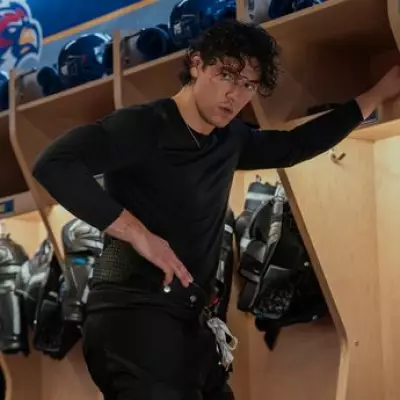
The film-maker continued with a powerful critique: "I cannot and will not contribute my time, energy and expertise to an organisation that has repeatedly failed to safeguard the dignity of its black guests, members and the black creative community. This is particularly unfortunate given that this year's cohort boasts some incredible black talent, especially one of my favourite shows of 2025 Just Act Normal."
Richardson specifically addressed Bafta's historical context, stating: "When an organisation like Bafta, with its own long history of systemic racism, refuses to acknowledge the harm inflicted on both the black and disabled communities and offer an appropriate apology, remaining involved would be tantamount to condoning its behaviour."
Organisational Responses
During the live broadcast, awards ceremony presenter Alan Cumming apologised for the language viewers may have heard. In a statement released on Monday night, Bafta apologised for the incident and said it takes "full responsibility" for putting its guests in a "difficult situation."
Bafta apologised "unreservedly" to Jordan and Lindo, and "to all those impacted," adding: "We would like to thank Michael and Delroy for their incredible dignity and professionalism. We take full responsibility for putting our guests in a very difficult situation and we apologise to all. We will learn from this and keep inclusion at the core of all we do, maintaining our belief in film and storytelling as a critical conduit for compassion and empathy."
BBC's Broadcast Apology
The BBC separately apologised for not editing the racial slur out of the broadcast. A corporation spokesperson explained: "Some viewers may have heard strong and offensive language during the Bafta Film Awards. This arose from involuntary verbal tics associated with Tourette syndrome, and as explained during the ceremony it was not intentional. We apologise that this was not edited out prior to broadcast and it will now be removed from the version on BBC iPlayer."
Richardson's Critique of Responses
Richardson addressed both organisational responses directly, noting: "TBF the Bafta apology is considerably better than the BBC mumbled sidestepping. But the fact that it took 24 hours and intense backlash to get here suggests that despite its claims, Bafta remains inherently unsafe for black and disabled people."
The film-maker expressed skepticism about meaningful change: "I can almost guarantee the same production company and the same execs will still be in charge of next year's awards. So claiming to 'learn from this' will inevitably be as performative as their desire for inclusion."
Background of Those Involved
Richardson, a champion of diverse voices in the industry, is a director, writer, producer and editor who has worked in both the UK and the US on projects including Channel 4's Bluefinch and award-winning productions for BET and HBO.

Davidson, who chose to leave the auditorium early as he was "aware of the distress my tics were causing," was made an MBE in 2019 for his efforts to increase understanding of Tourette syndrome and help families deal with the condition. He attended the Baftas representing the film I Swear, which tells the story of his life with the condition that developed when he was 12.
The film stars Robert Aramayo, who won best actor for his performance, while the production also won best casting. Aramayo was additionally named EE Rising Star at the ceremony.
Medical Context
According to the NHS, Tourette syndrome is a condition that causes people to make sudden, repetitive sounds or movements which, in rare instances, can result in offensive language being used that cannot be controlled. While there is no cure, treatment can help to manage the tics.
Richardson concluded his statement with a forward-looking hope: "I hope Bafta leadership comprehend the damage they and the BBC have caused, and take the necessary steps to ensure their production staff are inclusive enough to prevent such an issue in the future."