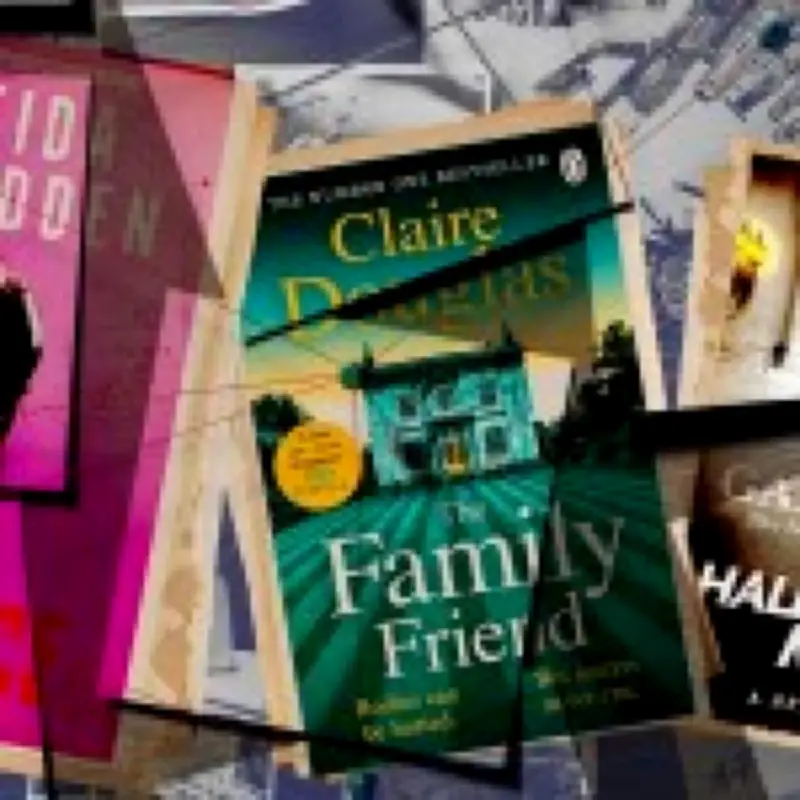
Author Wendy Jones sparked widespread debate after revealing that nine of the top 10 books on the Sunday Times bestseller list feature a woman's murder. In an Instagram post, she noted that the only outlier was The Correspondent, a book about letter writing. Of the 98,000 books sold in the UK that week, 81,000—or 84%—had women being murdered as central to their plot. Social media users called it 'an acute observation of a shocking norm' and questioned what kind of society consumes such content.
Staunch Book Prize and Feminist Criticism
In 2018, writer Bridget Lawless established the Staunch Book Prize to address similar concerns, offering an award for thrillers that avoid gendered violence. The prize highlighted how women have long been an 'easy target' in the genre. Crime and thriller novels are the most popular genre in the UK, according to Amazon sales figures, creating a booming market where death is often integral.
Kaye Mitchell, senior lecturer and feminist critic at Manchester University's Centre for New Writing, told Metro that the representation of violence against women is not new. 'It's being represented because it's something that's in the public consciousness, or should be more so,' she said. Dr. Alison Taft, crime writer and course director at Leeds Beckett University, noted that such storylines appear in her own work for this reason.
Challenges for Feminist Crime Writers
Dr. Taft recalled the Staunch Book Prize: 'I said "that's great, I'll try and enter that", but then I looked at my catalogue of work and realised none of it excludes crimes against women. I describe myself as a feminist crime writer, but it's almost impossible to be a crime writer and not write about crimes against women.' However, she believes some stories cross into fetishising these crimes, a concern echoed by authors Luke and Ryan Hart, whose father researched wife murderers before killing their mother and sister in 2016.
Dr. Taft added: 'They were fighting against that, saying we need to stop normalising these narratives because it's an unacceptable male response, and I do agree. But equally, if we don't talk about these crimes that do happen, then are we kind of brushing it under the carpet? We have to shine a light on it.'
How Violence Is Depicted Matters
Both academics agree that the issue is how murder is written about, not the topic itself. 'What's crucial is how it's depicted and the context around the crime,' Kaye Mitchell said. She noted that crime novels often focus on 'stranger danger' and serial killers, whereas 'in reality, women are more likely to be murdered by partners or ex-partners.' She advocates for fiction that investigates without sensationalising the type of violence women actually experience.
Dr. Taft added that authors should avoid the traditional 'status quo' where a male detective solves the problem. 'There's now more crime narratives that feature the voice of the victim, which is often a female voice. We're getting the emotional impact, it's no longer just a plot device to give men the chance to restore order.'
Psychotherapist's Perspective
UKCP psychotherapist Hannah Jackson-McCamley told Metro that portrayal becomes problematic when a woman's role is reduced to what her suffering can do for someone else. 'We see this when a female character is killed simply to give a male character a reason to grieve, seek revenge, or grow. In those stories, her life matters less than the impact her death has on the people around her.' She argued that stories dwelling on graphic details without addressing emotional or social consequences risk 'turning trauma into entertainment.'
Women Writing About Murdered Women
Despite the grim theme, five of the nine books on the bestseller list were written by women. Crime audiences are overwhelmingly female. Kaye Mitchell suggested this may be due to escapism: 'We often look to literature for fear and danger, as a way to navigate the anxieties we might have about ourselves and the world.' Dr. Taft pointed to a desire to understand what drives these crimes, referencing Shakespeare's 'man's inhumanity to man' but focusing on 'man's inhumanity to women.'
Hannah Jackson-McCamley acknowledged that fiction does not create women's fears but can reinforce them. 'Repeated exposure to graphic violence can reinforce that sense of vulnerability, increasing anxiety and strengthening the belief that danger is always close by.' However, she accepted that stories can help people understand gender-based violence when they focus on the victim as a whole person, explore social attitudes, or highlight resilience and justice. 'At their best, these stories encourage empathy rather than voyeurism.'