A major Australian literary festival has been cancelled entirely after its decision to exclude a prominent Palestinian Australian author from its programme triggered a mass boycott by speakers and a boardroom exodus.
A Decision That Sparked an Implosion
On Thursday 8 January, the board of the Adelaide Festival, which runs the associated Writers' Week, released a statement confirming that Dr Randa Abdel-Fattah would be removed from the 2026 lineup. The board cited a review undertaken in the wake of the Bondi terror attack in December, which left 15 people dead, and concerns over "cultural sensitivity" relating to Abdel-Fattah's "past statements."
The board was careful to state it did not suggest "in any way" that the author was connected to the attack, allegedly carried out by men inspired by Islamic State. However, the move was immediately condemned as censorship and anti-Palestinian racism.

Abdel-Fattah, a critic of Israel, has faced sustained criticism from Australia's conservative opposition and some Jewish groups for her comments. These have included alleging Zionists had "no claim or right to cultural safety," a stance she defends as a critique of a political ideology, not a religion. She has also faced backlash for social media posts, including one stating "May 2025 be the end of Israel."
In response to her exclusion, Abdel-Fattah accused the board of a "blatant and shameless" act and said its attempt to associate her with the Bondi massacre was "despicable."
The Domino Effect: Boycotts and Resignations
The fallout was swift and devastating for the festival. A wave of speakers, publishers, and supporting organisations began withdrawing in protest. The list grew to encompass more than 180 participants, including international literary stars.
High-profile withdrawals included former New Zealand Prime Minister Jacinda Ardern, bestselling author Zadie Smith, journalist Masha Gessen, Pulitzer winner Percival Everett, and celebrated Australian writer Helen Garner.
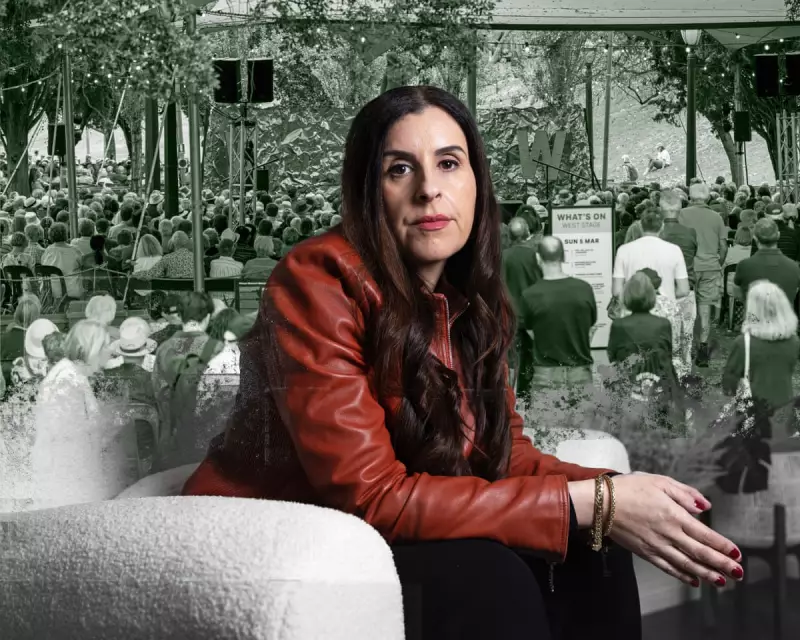
The crisis deepened on Tuesday 13 January when the festival's director, Louise Adler, resigned. Adler, a major figure in Australian publishing and a member of the progressive Jewish Council of Australia, stated she could not be party to silencing writers. In an opinion piece, she wrote: "Writers and writing matters, even when they are presenting ideas that discomfort and challenge us."
Festival Collapse and a Hollow Apology
Hours after Adler's resignation, the remaining board announced that Adelaide Writers' Week could "no longer go ahead as scheduled." They apologised to Abdel-Fattah for "how the decision was represented" but maintained it was made out of respect for a community in pain.
The board conceded the decision had "created more division" and stated that all remaining members would step down immediately. Adelaide Writers' Week 2026 was formally cancelled.
Abdel-Fattah rejected the apology as "disingenuous," arguing the board regretted the messaging, not the decision itself. The South Australian government, which denied pressuring the festival, announced a new board that same evening.
The cancellation represents a significant cultural and economic blow. Adelaide Writers' Week is Australia's largest free literary festival, attracting over 160,000 attendees last year and contributing an estimated $62.6 million to the state's economy.
Reflecting on the collapse, former director Louise Adler noted it was "untenable," revealing that 70% of all writers had withdrawn, leaving only 12 events with a full complement of authors. "You can’t stitch that back together," she said.