Women's Prize for Non-Fiction 2026 Shortlist Reveals Six Timeless Works
Women's Prize for Non-Fiction 2026 Shortlist Announced

Women's Prize for Non-Fiction 2026 Shortlist Showcases Six Timeless Books

The Women's Prize Trust has officially unveiled the highly anticipated shortlist for the 2026 Women's Prize for Non-Fiction, sparking a global literary conversation. This prestigious selection highlights six extraordinary works that span diverse realms including politics, history, art, health, science, and personal memoir.

Championing Women's Writing and Intellectual Excellence

The charity remains dedicated to building a better future by championing women's writing through this vital annual recognition of intellectual excellence. This "timely and timeless" shortlist demonstrates how essential women's writing is to our understanding of the world and our imagination of tomorrow.

By celebrating original and accessible narrative non-fiction, the prize elevates female thought-leaders and experts who are often underrepresented in the broader literary market. The winner will receive a £30,000 prize fund and the iconic 'Charlotte' sculpture, both generously gifted by the Charlotte Aitken Trust.

Wide Pickt banner — collaborative shopping lists app for Telegram, phone mockup with grocery list

The 2026 Shortlisted Works and Authors

The 2026 shortlist features an impressive array of titles:

  • Lyse Doucet's The Finest Hotel in Kabul: A People's History of Afghanistan
  • Daisy Fancourt's Art Cure: The Science of How the Arts Transform Our Health
  • Judith Mackrell's Artists, Siblings, Visionaries
  • Jane Rogoyska's evocative Hotel Exile: Paris in the Shadow of War
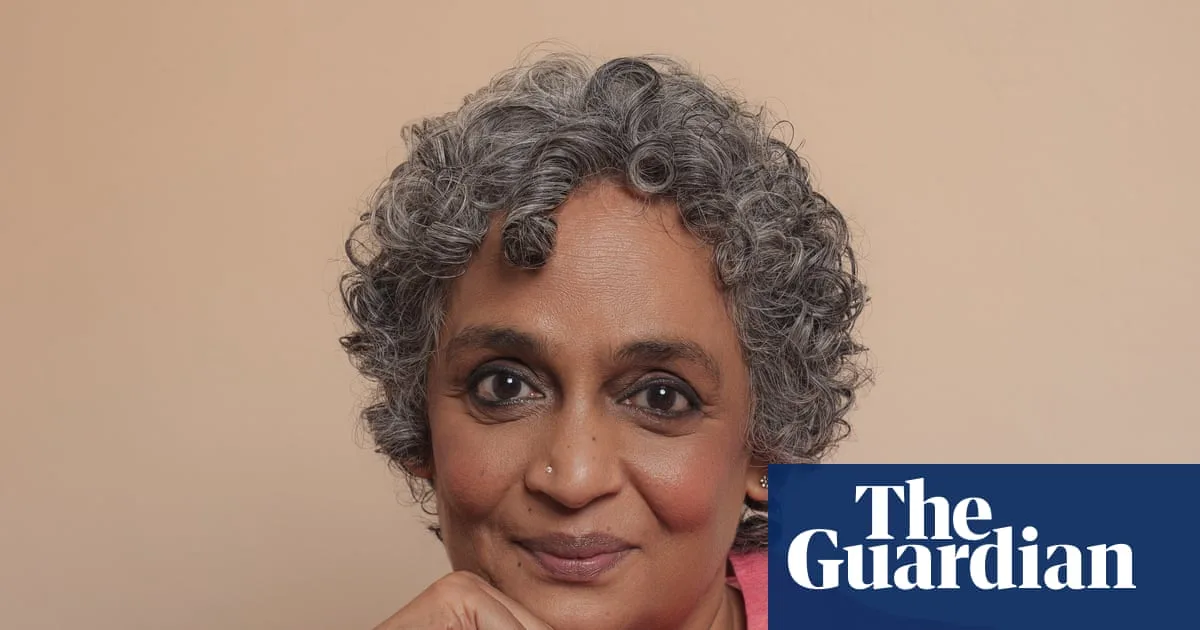
  • Arundhati Roy's deeply personal Mother Mary Comes to Me
  • Ece Temelkuran's Nation of Strangers: Rebuilding Home in the 21st Century

These six exceptional books examine diverse subjects—from migration, conflict, and othering to creativity, wellbeing, and connection—through deeply personal lenses. The selected authors bring substantial professional expertise to their narratives, ranging from scientific research and dance criticism to political correspondence and filmmaking.

Global Stories Revealing Universal Truths

These are far-reaching, global stories spanning Asia, Europe, and the Middle East. By giving voice to individual experiences and perspectives, they reveal new universal truths about our shared humanity.

Despite the brilliance of these works, new data commissioned by the Women's Prize Trust indicates that systemic bias toward male writers persists in the UK print market. While women are making modest gains in genres like Popular Science and Philosophy, they still face significant barriers in Business, Sport, and Politics.

Judges' Perspectives on the Selection Process

Thangam Debbonaire, the Chair of Judges, emphasized the difficulty of narrowing down such a strong field of contenders. "Whittling our remarkable longlist down to just six titles was by no means an easy task," she stated. "After careful consideration, we are proud to present a shortlist that celebrates six exceptional books and six hugely talented writers, offering readers collectively a timely and timeless interrogation of our world today."

Debbonaire further noted that these works serve as an essential resource for readers navigating modern complexities. "Our shortlist shows the power and necessity of women's writing at a time when recent statistics suggest a decline in non-fiction print sales in the UK," she added.

"These books are an urgent antidote to mis- and dis-information, written with high standards of scholarship. They offer rich and original insights in what often feels like a fragmented and uncertain world. They are six books of authority, told with humanity," Debbonaire concluded.

Addressing Systemic Underrepresentation

Claire Shanahan, Executive Director of the Women's Prize Trust, explained that the prize was originally established to combat the systemic underrepresentation of women in non-fiction. "We awarded the first Women's Prize for Non-Fiction in 2024 because women's voices were systemically underrepresented in most narrative non-fiction disciplines," Shanahan remarked.

Pickt after-article banner — collaborative shopping lists app with family illustration

She noted that women's work was historically overlooked in review coverage, award recognition, and received lower advances. The Trust remains committed to developing a more equitable talent pipeline as male writers continue to dominate most non-fiction disciplines according to recent research.

"This exceptional shortlist—so thoughtfully selected by our judging panel, to whom I give my utmost thanks—shines a light on the brilliant women writing such bold and accomplished non-fiction, for the pleasure of all booklovers, everywhere," Shanahan concluded.

Diverse Judging Panel and Anticipation Builds

The 2026 judging panel features an impressive array of talent including engineer Roma Agrawal, wellbeing founder Nicola Elliott, novelist Nina Stibbe, and judge Nicola Williams. This diverse group of experts ensures that the shortlisted titles meet the highest standards of rigour, creativity, and human connection.

Anticipation is building for the winner's announcement, where one author will join the ranks of previous winners like Dr Rachel Clarke and Naomi Klein. This prize continues to prove that women's non-fiction is not only authoritative and informative but also essential for a comprehensive understanding of our shared humanity.