Unveiling Cleopatra: From Ancient Propaganda to Modern Memoir
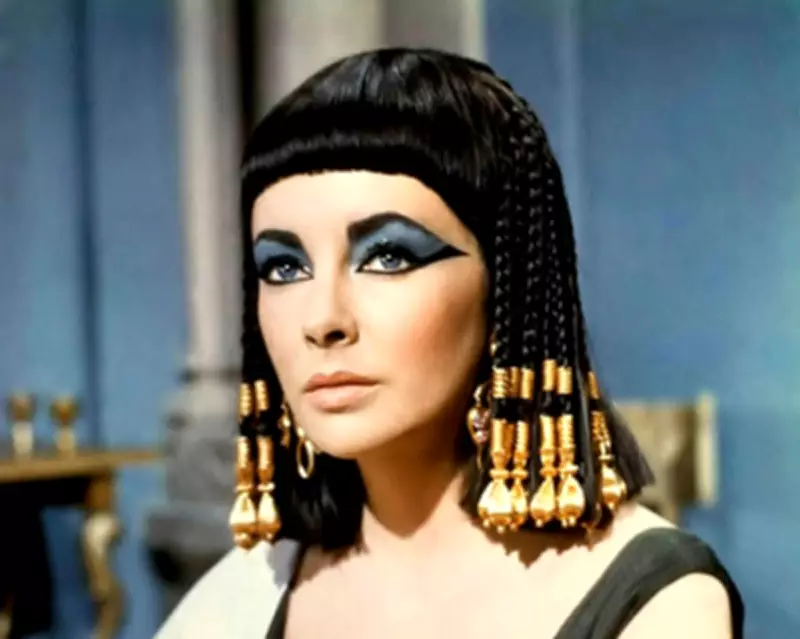
For centuries, Cleopatra VII has been shrouded in myth, often depicted as a seductress or villain in historical accounts. In Joseph L. Mankiewicz's 1963 film, Elizabeth Taylor's portrayal cemented this image, but scholar Saara El-Arifi seeks to liberate the Egyptian queen from such misogynist narratives. Her journey from childhood fascination to academic study reveals a more complex figure—one whose true story has been obscured by Roman propaganda and ancient gossip.
A Personal Connection Across Time
El-Arifi's interest in Cleopatra began in school, where a drawing assignment sparked a deep connection. As a child with Ghanaian, Sudanese, and British heritage, she felt a kinship with the queen, despite the vast temporal divide. This bond grew during her master's studies in African studies at Soas, where she explored not Cleopatra's skin tone, but the reasons for their shared sense of displacement. Remarkably, Cleopatra lived closer to our era than to the pyramids, which were ancient even in her time.
Delving into research, El-Arifi discovered Cleopatra's scholarly side: a polyglot fluent in at least eight languages, with interests in alchemy and healing remedies. However, primary sources from her reign are scarce, with most accounts written by Roman men like Plutarch, Suetonius, and Dio over a century after her death. These sources, biased by misogyny and political agendas, labeled her a "harlot queen" to discredit her intelligence and strategic partnerships with leaders like Caesar and Antony.

From Fiction to Memoir: Reclaiming a Legacy
Initially planning a historical fiction novel, El-Arifi found the available sources to be a "cesspit of propaganda." Tales like the dissolving pearl, recounted by Pliny the Elder, served to glorify Roman restraint over Egyptian opulence. Realizing that "pure" history is always narrative-driven, she shifted her approach. Instead of relying on flawed ancient texts, she turned inward, using her own experiences and those of women around her to fill the gaps in Cleopatra's story.
The result is a memoir that reflects El-Arifi's personal struggles, such as early motherhood and facing dismissal in male-dominated spaces. Her Cleopatra is thoughtful, cunning, and allowed to make mistakes—a humanized queen striving in a world that often undervalues women. This rendition emphasizes resilience, drawing parallels between ancient authoritarianism and modern challenges to women's rights and democracy.
Timeless Lessons in Resilience
Cleopatra's legacy, El-Arifi argues, remains relevant today as a symbol of endurance against oppression. While victors may write history, memories persist, offering hope for reclaiming nuanced narratives. Through this memoir, Cleopatra emerges not as a mere seductress, but as a leader whose story resonates across millennia, inspiring contemporary reflections on identity and power.