Isaac Butler's new book, The Perfect Moment: God, Sex, Art, and the Birth of America's Culture Wars, examines how the religious right pivoted from the Cold War in the late 1980s to wage a domestic battle over contemporary art. The book traces the emergence of the modern culture wars, which Butler describes as "the World War I of the culture wars," with the current era representing "World War II."
The Birth of the Modern Culture Wars
Butler, 47, was spurred to write the book in 2020 after the postponement of a Philip Guston retrospective at the National Gallery of Art. Guston, a Jewish anti-racist artist, featured Klansmen in his late paintings, leading the arts establishment to fear the images were not "sufficiently clear in their anti-racist point of view." Butler says he was "dumbfounded" that well-meaning leftwingers would target a lifelong anti-racist, and he wanted to "reclaim free expression as a leftwing value."
Simultaneously, the right was resharpening its blades with figures like Ron DeSantis and "don't say gay" laws. Butler notes that every Republican candidate was competing to oppress and silence trans people, feeling that this was a repeat of his own formative experiences.
Key Figures and Tactics
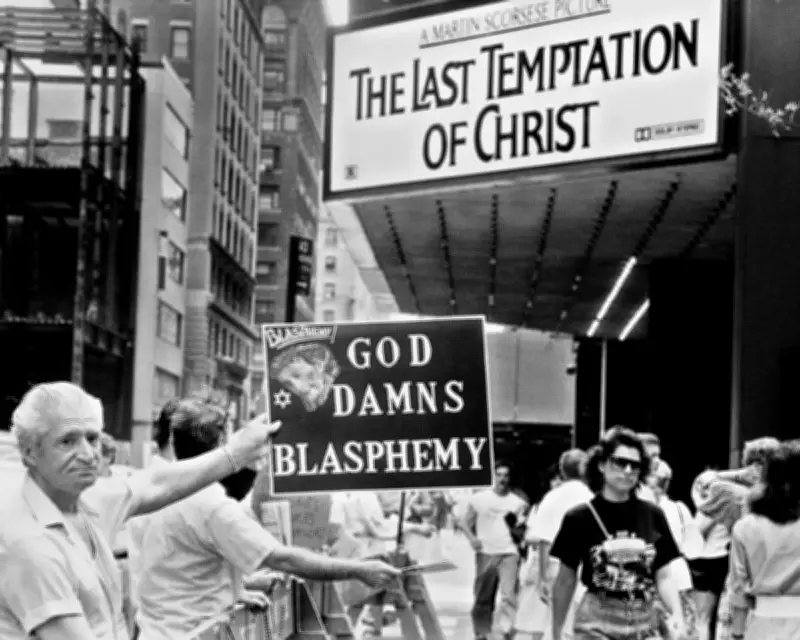
The religious right, having helped elect Ronald Reagan, felt they had little to show for it by the end of his second term. As the Cold War ended, they sought a new adversary. Arch-conservatives like Pat Buchanan, Pat Robertson, and Senator Jesse Helms targeted the National Endowment for the Arts (NEA), a small agency with a budget never exceeding $500 million. Sometimes, fury was directed at grants as small as $150.
The Rev Donald Wildmon, a preacher from Tupelo, Mississippi, became a central architect. Butler describes him as a "diabolical genius" of political organizing. Wildmon's tactics included misrepresenting art by taking it out of context and provoking a sense of grievance. Butler notes that this tactic persists today, with figures like JD Vance claiming that others' expression oppresses them.
Helms urged Republicans to abandon "conciliatory centrists" and aggressively court religious voters. He recognized that the arts were one of the few public squares where LGBTQ+ perspectives were expressed, as they were shut out of mainstream media, and sought to shut that down.
Liberal Failures
Butler identifies two fatal flaws in the liberal response: underestimating opponents and fetishizing compromise. The Yale-educated elite dismissed Wildmon and Helms as "yokels," while liberals believed that giving a little would calm the opposition. Butler says this signals vulnerability, leading to more attacks. "Symbolic defeats matter," he argues, as they legitimize the opponent's point of view.
This dynamic reached a fever pitch at the Corcoran Gallery of Art in 1989. The museum, vulnerable due to reliance on federal funds, pre-emptively cancelled a Robert Mapplethorpe retrospective titled The Perfect Moment. The show included stark images of gay men in BDSM practices, which Butler describes as "disturbingly cold." The Corcoran's capitulation provided a monumental victory for the religious right, signaling that the arts establishment would censor itself.
Other Targets and Consequences
Other targets included Piss Christ by Andres Serrano, a photo of a crucifix submerged in the artist's urine; David Wojnarowicz, an activist documenting the AIDS crisis; and the NEA Four, performance artists whose grants were revoked over queer and feminist subject matter, leading to a landmark free-speech battle that reached the Supreme Court.
Butler argues that the arts and AIDS crisis were intertwined. Artists radicalized by groups like Act Up were ready to fight censorship, but the relentless battles left many exhausted. "We did not emerge with a more active, permanent activist constituency for the arts," Butler says, contributing to today's mess in cultural funding.
Lessons for Today
Butler wrote much of the book during the first two years of the second Trump administration, watching institutions fall into the same traps. He notes that Trump used the coercive power of money, threatening to cut research funding if universities did not comply with demands for single-sex bathrooms, instead of passing laws that would violate the First Amendment.
Butler says this strategy has eroded viewpoint neutrality in public institutions. Today, culture wars have become omnipresent, with skirmishes sparked by anything, such as a Black woman playing Helen of Troy or what soda someone drinks. "People are picking the dumbest fights about everything," Butler says, and the challenge is deciding which fights are worth having.
The right's ability to manufacture grievances through astroturfing remains a masterclass in media manipulation. Butler points to the panic over transgender participation in youth sports, an issue almost no one cared about a few years ago but which has been weaponized into an election-swinging issue.
The Cost of the Culture Wars
The ultimate casualty has been the accessibility of culture. The NEA once democratized the arts, funding rural folk art, Native American crafts, and stained-glass restoration in conservative communities. As its funding has been hobbled, arts institutions have become reliant on wealthy donors, making the arts more elitist. Butler speaks with sorrow about attacks on the Kennedy Center and Smithsonian Institution, calling the Smithsonian "one of the greatest things that America does."
Butler hopes his book inspires people to think about the necessity of art, even art that doesn't make money. "The arts are a part of what it means to be a human being," he says, urging readers to consider how to re-enrich that vital resource.