Monsters in the Archives: Uncovering Stephen King's Literary Secrets
When Caroline Bicks first encountered Stephen King, she was filled with trepidation. As a teenager, his novels Carrie and The Shining had haunted her dreams, embedding themselves deep in her psyche. Yet, years later, she found herself in the unlikely role of the Stephen E King professor at the University of Maine, a position endowed by the author himself in 2016. A Harvard-trained Shakespeare specialist, Bicks wondered what common ground she could possibly share with the master of horror beyond a name.
A Surprising Connection and a Year in the Archives
Initially instructed by her employers to avoid contact with King, Bicks received an unexpected phone call four years into her tenure. "Steve" turned out to be a teddy bear—kind and approachable, defying the terrifying image his books projected. This led to King granting her unprecedented access to his personal archive for a year, where she delved into drafts of five iconic novels, including Pet Sematary, The Shining, and Carrie. Her mission was to decode what she terms King's "biblio-magic," analyzing how his precise word choices evoke visceral physical reactions in readers, from racing hearts to sweaty palms.
The Archive: A Treasure Trove of Literary Artifacts
Housed in a climate-controlled facility attached to King's Bangor, Maine home, the archive is meticulously maintained by professional archivists. It primarily consists of typewritten drafts from before the digital era, created on his wife Tabitha's portable Olivetti. These manuscripts are rich with handwritten notes, editorial exchanges, and revisions, offering a textual depth that excites any literary scholar. Bicks quickly identified key examples of King's craft, such as in Pet Sematary, where he defended the word "clitter" over a copy editor's suggestion, explaining it as a soft, ghostly clatter that heightens fear.

Frugality and Resilience: King's Early Struggles
Beyond textual analysis, Bicks uncovered King's frugal habits, rooted in his early financial hardships. In the 1970s, he and Tabitha were struggling, with King working as a high school teacher and in a launderette while Tabitha took night shifts at Dunkin' Donuts. To save on paper costs, he used narrow margins on drafts, a practice that persisted even after success. Anecdotes like the near-loss of The Dead Zone manuscript at an airport highlight his reluctance to invest in copies, underscoring a mindset shaped by uncertainty.
Carrie: A Turning Point and Scholarly Insight
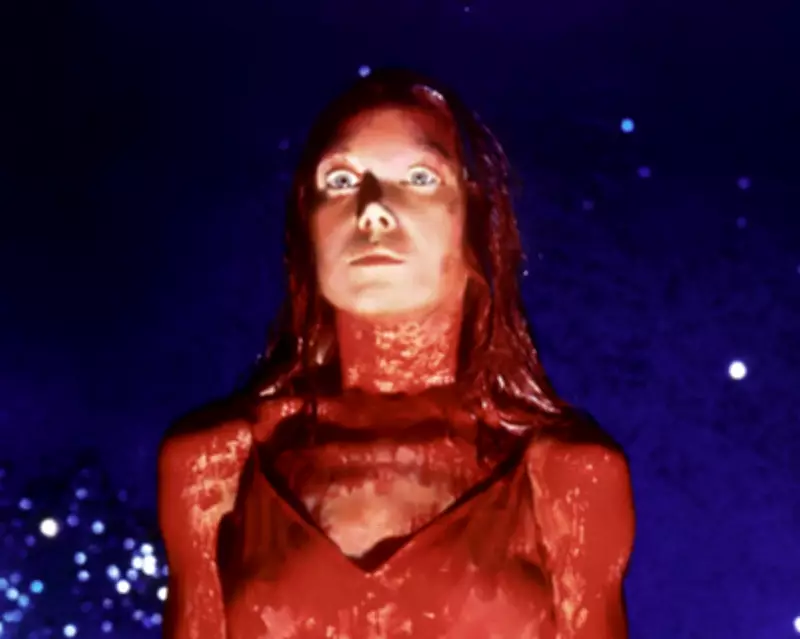
King's breakthrough with Carrie in 1974 felt like a fluke after years of rejection. The novel's success, including a $400,000 paperback deal, transformed his life, allowing his mother to leave her low-paid job before her death from cancer. Bicks's analysis of Carrie is particularly insightful, drawing parallels to her academic work on Shakespeare's adolescent heroines. She notes how King revised the draft from a monstrous physical transformation to focusing on Carrie's consciousness as the story's center, reflecting a deeper exploration of brainwork and puberty.
Revelations for Fans and Scholars Alike
While some of King's ardent fans might skim the academic passages for biographical tidbits—like his early drinking or thoughts on Jack Nicholson in The Shining—Bicks's book offers a unique blend of literary criticism and personal history. Monsters in the Archives: My Year of Fear With Stephen King provides a fresh perspective on how King's meticulous editing and life experiences shape his chilling narratives, making it a compelling read for both enthusiasts and scholars of horror literature.