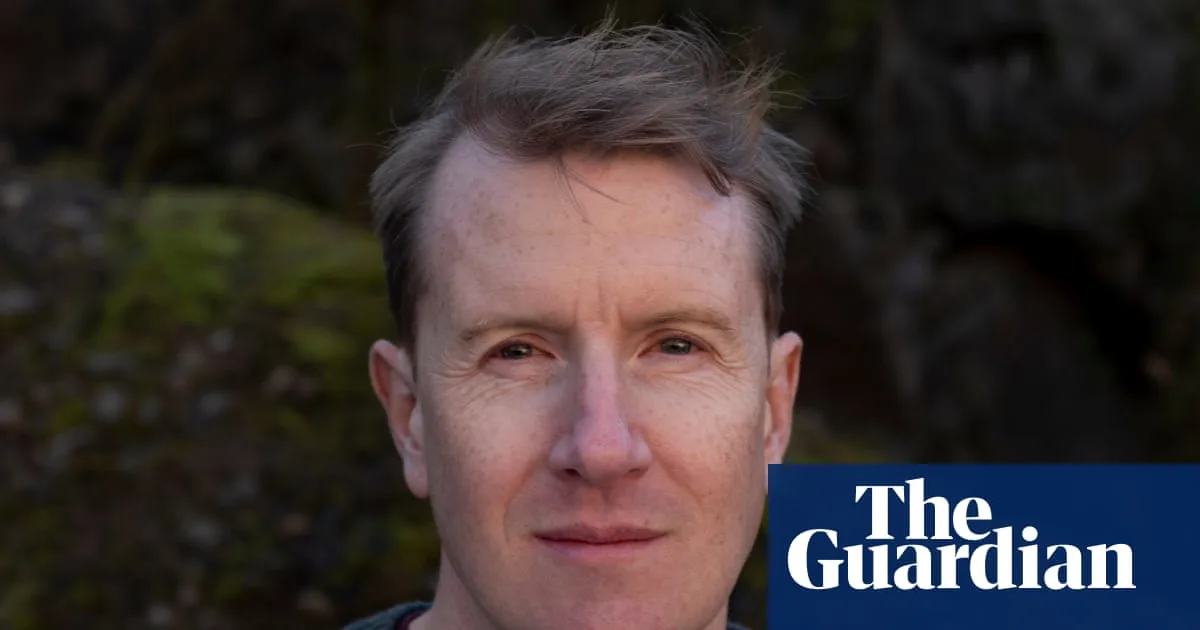
Patrick Charnley, son of the late writer Helen Dunmore, has drawn on his own near-death experience for his debut novel, This, My Second Life. The book follows Jago Trevarno, a young man who suffers a cardiac arrest that leaves him clinically dead for 40 minutes, and his subsequent retreat to a Cornish village to recover under the care of his off-gridder uncle, Jacob.
Stripped of the life he had begun to build in the city, Jago must rebuild himself from scratch. His brain injury has left him with reduced processing power, forcing him to live an extremely simple existence governed by the weather, animals and seasons. The narrative captures his painstaking efforts to navigate his limitations and his growing awareness of the outside world.
Charnley’s prose is spare and beautiful, achieving a piercing intensity as Jago finds delight in the small things—the colours of the sea, the taste of plain food—while fearing that life may still be snatched away. The story is also shaped by the presence of neighbours: Granny Carne, a fierce local seer; Sophie, Jago's abandoned first love; and Bill Sligo, whose designs on a field with an old mineshaft threaten Jago's fragile stability.
Though the novel is prefaced with a brief statement of Charnley’s own cardiac arrest and brain injury, the author avoids reducing the work to personal trauma. Instead, the result is a finely wrought, luminous tale of recovery and the struggle to engage with the world after profound loss.