Three distinct and compelling new novels have arrived in bookshops, each offering unique perspectives on human connection, identity, and the stories that shape our lives. From the American South to London's urban landscapes, these works demonstrate the continuing power of contemporary fiction to explore fundamental human experiences.
Theo of Golden: A Portrait of Community
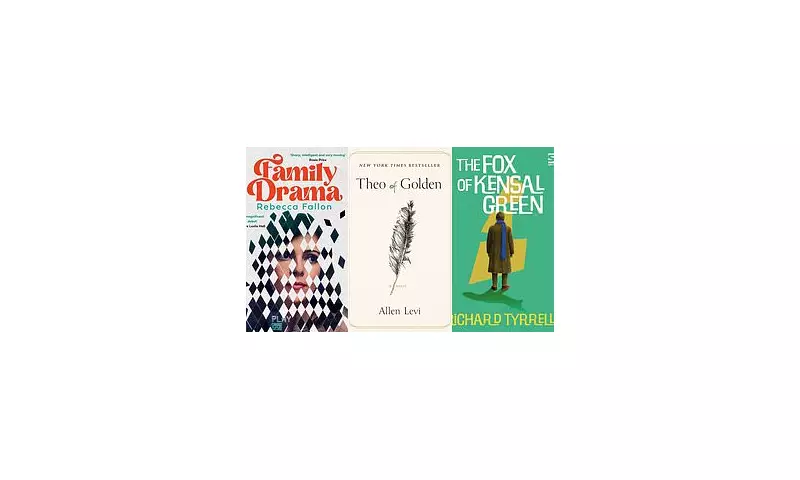
Allen Levi's Theo of Golden (Fontana £12.99, 386pp) introduces readers to businessman Theo, who arrives in the small town of Golden, Georgia. His journey begins when he enters a combined cafe and art gallery, where he becomes completely captivated by ninety-two portraits painted by a local artist. Theo finds himself unable to stop wondering about the stories behind each face depicted in these artworks.
Driven by profound curiosity, Theo makes an extraordinary decision: he will purchase each portrait individually and systematically reunite them with the actual people they portray. This quest becomes a transformative experience as Theo meets the diverse subjects of the paintings. Through these encounters, he learns about the various events that have significantly impacted their lives and discovers who they truly are beneath the surface.

Theo emerges as a wonderful protagonist – genuinely curious, remarkably humble, and deeply loving in his approach to others. His journey serves as a powerful reminder of the beauty that comes from being truly seen and understood. These interconnected stories gradually form what the author describes as "a patchwork of humanity," brilliantly illustrating acts of kindness and demonstrating the powerful ripple effects that simple human connections can create throughout a community.
Family Drama: Secrets and Stardom
Rebecca Fallon's Family Drama (The Borough Press £16.99, 320pp) opens dramatically at a Viking funeral near Boston in 1997. As snow falls, seven-year-old twins Sebastian and Viola watch as the body of their larger-than-life mother, Susan Bliss, is ceremonially thrown overboard. Susan was a stunning soap opera star, passionately dedicated to her art and determined not to allow motherhood to interfere with her flourishing career.
She achieved this difficult balance by dividing her life completely in two – an exhausting arrangement that saw her alternating between her role as a New England housewife and appearing on the prominent billboards of Los Angeles. Following Susan's untimely death, her husband Al, a history professor and the twins' father, makes a radical decision: he will destroy all memorabilia relating to her jet-set celebrity life and never reveal her fame to their children.
Al believes this drastic measure will allow him to reclaim his wife as his own, but such a substantial secret inevitably strains to remain hidden. The novel explores how this concealment affects family dynamics and individual identities. Beautifully written with psychological depth, the story examines the complex intersections of public persona, private grief, and the stories families choose to preserve or erase.
The Fox of Kensal Green: Urban Isolation and Connection
Richard Tyrrell's The Fox of Kensal Green (Salt £10.99, 240pp) introduces Wilf Kelly, an eccentric outsider who has lived alone in London's Kensal Green since his mother's death years earlier. Wilf maintains only one meaningful friendship, with a woman named Felicia, who suggests that acquiring a pet might help him feel more connected to normal community life.
When Wilf spots a substantial dog fox in the local cemetery one day, he becomes determined that this unusual creature represents the perfect companion for him. He hopes that bonding with the fox might transform how his community perceives him. While many people who know Wilf show him kindness, he nevertheless faces taunting from local teenagers, highlighting his vulnerable social position.
Kensal Green is typically a quiet urban area, but this tranquility shatters when a violent assault occurs, spreading suspicion throughout the community. This original and compelling narrative explores themes of urban loneliness, the search for connection in unexpected places, and how communities respond when their peace is disrupted. The novel offers a poignant examination of what it means to belong in a modern city.

Together, these three novels demonstrate the continuing vitality of contemporary fiction, offering readers thoughtful explorations of human relationships, personal identity, and the stories that connect us across different landscapes and experiences.