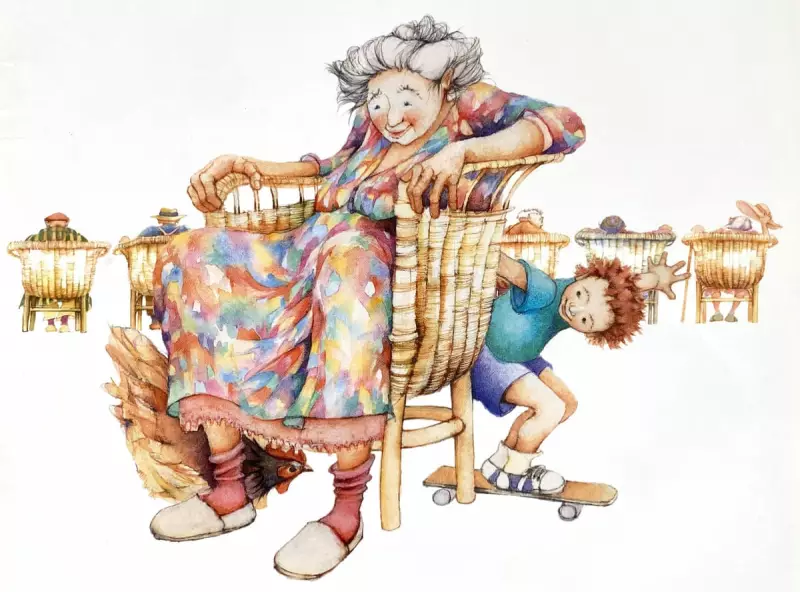
Beloved Australian Picture Book Enters Guardian Reader Poll Competition
The cherished Australian children's picture book Wilfrid Gordon McDonald Partridge by Mem Fox is currently competing in Guardian Australia's reader poll to determine the nation's best children's picture book of all time. Illustrated by Julie Vivas and first published in 1984, this timeless story has captivated generations of young readers and their families across Australia and beyond.
A Story That Resonates Across Generations
The narrative follows young Wilfrid Gordon McDonald Partridge as he climbs through the fence to visit the aged care home next door to his house. There he meets numerous fascinating residents, including Miss Nancy Alison Delacourt Cooper, who shares Wilfrid's distinction of having four names. According to Wilfrid's parents, Nancy has "lost her memory," setting in motion the book's central theme of memory preservation and connection.
Wilfrid brings Nancy various treasures from his world, with each object helping her recall beautiful, fleeting moments from her past. A simple egg reminds her of a bird's nest in her aunt's garden, while a seashell evokes memories of traveling to the beach by tram long ago and feeling the heat in her button-up boots. These gentle recollections form the emotional core of Fox's celebrated work.

Personal Connections That Deepen Over Time
For many families, including that of Guardian Australia editor Lenore Taylor, the book's significance has evolved over decades. "Wilfrid Gordon McDonald Partridge was a favourite when my son was small," Taylor reflects. "Now my father's in a nursing home – and Mem Fox's book remains a balm."
Taylor recalls how her father and young son particularly enjoyed the book because both had multiple names – her son with four names and her father with five. Her son once wondered if he could add another name to match his grandfather's total. Initially, their connection centered on this numerical similarity and discussions about living close enough to the beach to travel there by tram, with the book's exploration of memory remaining largely theoretical.
The Harsh Reality of Memory Loss
Today, Taylor's father experiences severe confusion and fear, frequently calling multiple times daily believing he's trapped in an unfamiliar hotel room. "Sometimes he just says he feels lost," Taylor explains. "He needs my help. It's urgent." Each conversation requires gentle reassurance, pointing to family photographs on his nursing home windowsill and reminding him of his safe surroundings.
Despite being in a quality nursing home with kind, respectful, and attentive care, her father's fear and disorientation remain heartbreaking. Their conversations now primarily revolve around his desire to leave, except when Taylor successfully redirects him to happier memories from his past.
Memory as Connection and Comfort
Taylor often uses photographs to facilitate these memory conversations, including one showing her mother reading Wilfrid Gordon McDonald Partridge to her young son at bedtime. When she recently asked her father if he remembered the book they used to read together, he paused thoughtfully before responding, "Wasn't it about a lady on a tram?" – a poignant connection to Nancy's memory of beach travel in the story.
This intergenerational experience underscores how children's literature can address complex themes like aging, memory loss, and human connection in accessible, meaningful ways that resonate differently at various life stages.
Participating in the Cultural Conversation
Readers can vote once daily in Guardian Australia's poll to decide the best Australian children's picture book, with the winner announced on February 6th. The competition highlights Australia's rich tradition of picture book creation and the enduring impact of stories like Wilfrid Gordon McDonald Partridge that continue to comfort, connect, and resonate with families across the country.

As Taylor concludes, "I've read this picture book so many times – but only 25 years later do I really understand it." The book's gentle exploration of memory, aging, and human connection continues to offer solace and understanding to new generations of readers facing similar life experiences.