Julia May Jonas on Vladimir, Netflix, and the Prison of Obsession
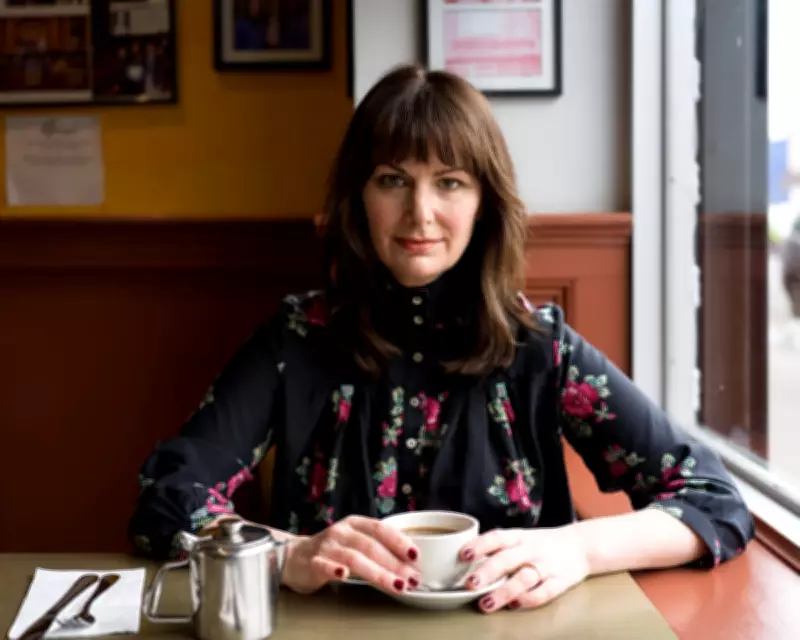
In a cafe near her Brooklyn apartment, three weeks before the Netflix adaptation of her debut novel Vladimir premieres, Julia May Jonas describes a swirling mix of terror, excitement, and dread. The series, starring Rachel Weisz and Leo Woodall, with Sharon Horgan as executive producer, promises to ignite intense online discourse—a realm Jonas now cautiously avoids.
Navigating Public Reception and Ego
Jonas, once an active and humorous presence on Twitter until mid-2022, realized that engaging with reactions to her work was unwise. "I do have to be cautious with putting myself too far out there," she admits. "It's not like I'm so enlightened. It's just that I know it's never enough. If someone tells me they love my book, I'm going to ask: 'What part? Did it change your life? Is it the best book you've ever read?'" she says, laughing. "The ego can never be fulfilled!"
Her novel, a critical and commercial success, explores a professor in her 50s obsessed with a younger colleague, Vladimir, during a tumultuous period. The narrator faces backlash for not publicly condemning her husband, John, after students demand his resignation over past affairs. Jonas, a playwright for over two decades, is drawn to "unresolvable questions" and "intractable dilemmas." She portrays a marriage that was open, with affairs predating explicit rules against student-professor relationships, viewed by the narrator as consensual.

Exploring #MeToo and Moral Complexity
Central to the book is the #MeToo movement. Jonas distinguishes between punitive actions and personal reconciliation. "There is an element of #MeToo that is primarily fixated on: how do we punish these men, and I think that should be based on severity and crime and handled in very cut-and-dried ways," she explains. Instead, her novel probes deeper: "what do you do as a female person, coming out of that? How do we contextualise it for ourselves? How do we organise our thoughts around our own sexuality and move forward?"
The narrative also delves into generational divides in academia, a tension Jonas experienced firsthand while teaching at Skidmore College and New York University. She criticizes kneejerk dismissals of works as misogynist or racist, arguing they limit engagement. Her influences include writers like John Updike, often labeled problematic. "I always found it interesting: really? That's how some men look at women? Fascinating. I'm not agreeing with it, but I'm interested."
From Playwriting to Novel Success
Jonas grew up in New Jersey, studied acting at NYU, but switched to playwriting to avoid audition rejections. In 2003, she launched her own theatre company. The pandemic provided the sustained time needed to write Vladimir, with its roots in an earlier play about desire and academia. Some critics have called it a Lolita update, though Jonas cites Nabokov's Laughter in the Dark as a stronger influence. She expresses disbelief at interpretations of Lolita that support Humbert's actions, calling it a "gross misunderstanding."
Inspired by Nabokov's exploration of how obsessions imprison us, Jonas also draws from Iris Murdoch, Elena Ferrante, and Natalia Ginzburg. "Nabokov was interested in how people might be blinded to the humanity of others, or ruin their own lives because their fixation alters their view of reality," she notes.
The Netflix Adaptation and Future Projects
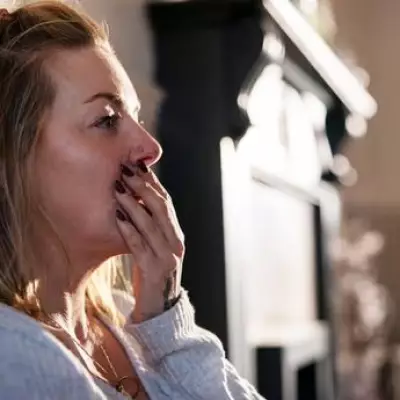
The TV show, she emphasizes, is its own entity. Rachel Weisz added new layers, portraying fragility and insecurity despite her beauty. The adaptation introduces Lila, giving voice to the unnamed complainant from the book, reminding viewers that John "took advantage of those girls ... he didn't look at her as a whole person."

Jonas is now editing her second novel, Diana, due in spring 2027, another obsession story about two actors. She is also staging a play at the Lincoln Center this summer, A Woman Among Women, inspired by Arthur Miller's All My Sons. Balancing work with caring for her two children, aged 12 and four, she credits her husband, Adam Sternbergh, culture editor at the New York Times, for teaching her novel-writing discipline: "shut your mouth, sit down every day, let the energy build."
Reflecting on social media, she warns: "I see people giving out all of their best lines. You're a fool! Put that into your book!" With Vladimir sparking conversations on desire, morality, and obsession, Jonas continues to challenge readers and viewers alike.