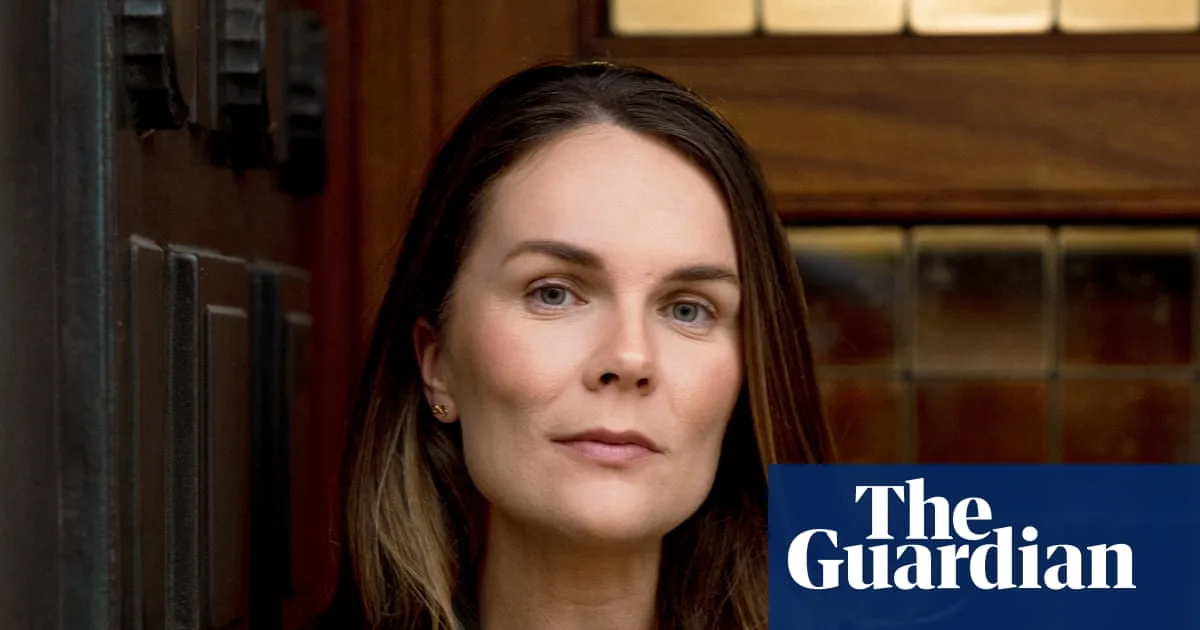
Caro Claire Burke's debut novel Yesteryear, which has already secured a film deal with Anne Hathaway, is poised to be a major cultural force in 2026. The book, which follows an Instagram tradwife who wakes up in the 19th century, has generated significant buzz and a heated auction for rights. The premise—a social media influencer confronted with the harsh realities of pioneer life—has been hailed as genius by critics.
The novel centres on Natalie, a self-described 'manic pixie American dream girl' who builds a massive following by cosplaying traditional Christian values. Her biting, often hilarious narration drives the story as she navigates the gap between her curated online persona and the brutal demands of actual 1855 domesticity. Burke explores themes of performance, religion, and the ethics of exposing children to social media.
However, the book has faced criticism for its treatment of childbirth and disability, which some reviewers have called 'cack-handed' and 'underresearched'. The novel largely avoids political commentary on the tradwife movement's underpinnings of homophobia, misogyny, and racism, a choice that may limit its appeal to European readers. Despite these flaws, Burke's sharp prose and the compelling central mystery—is Natalie time-travelling, in a reality show, or losing her mind?—have kept readers engaged.
The film adaptation, expected to begin production soon, will likely amplify the novel's reach. With Anne Hathaway attached, Yesteryear is set to dominate discussions in 2026, even as debates continue over its handling of sensitive topics.