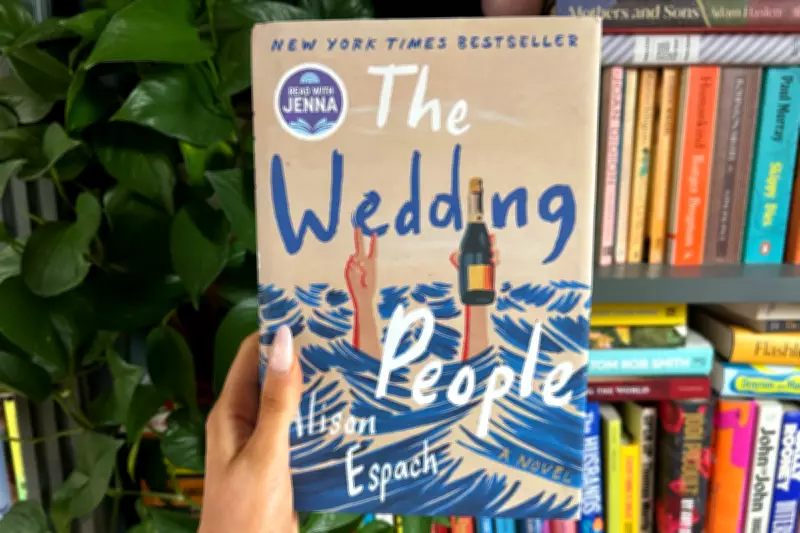
Alison Espach's 'The Wedding People' Offers a Cinematic and Emotional Journey
Alison Espach's novel The Wedding People, published by Orion, invites readers into a whirlwind of events set over just six days in a grand Rhode Island hotel. While the condensed timeline requires a slight suspension of disbelief, it also contributes to the book's unique charm, creating an intimate and cinematic atmosphere that feels ripe for adaptation to film.
An Intimate Narrative with Decades of Backstory
The story centres on Phoebe, who arrives at the hotel devastated after her husband leaves her, convinced her life has lost all meaning. Through her interactions with various wedding guests, the novel weaves extensive flashbacks, gradually revealing decades of emotional history from Phoebe's marriage and past. This technique allows the present narrative, spanning less than a week, to feel richly layered and deeply personal.
We were particularly drawn to the lively characters, especially the young bride Lila. Her unapologetically bold personality and evolving friendship with Phoebe often proved more compelling than the romantic elements, leaving us eager for more scenes between them.

Balancing Darkness with Humour and Symbolism
As the wedding week unfolds, Phoebe begins to imagine a new version of herself. In small, symbolic moments—such as impulsively joining strangers in a pool at a bachelorette party—she recognises her transformation. The novel adeptly balances the darkness of her depression with flashes of humour, making her emotional journey feel authentic and relatable.
However, some plot developments stretch plausibility. Phoebe forms connections very quickly during the week, raising questions about whether such feelings could genuinely replace the grief of a long marriage so soon. Yet, Espach cleverly avoids a predictable romcom ending, adding depth to the narrative.
A Relatable and Observant Wedding Setting
The wedding environment around Phoebe feels thoroughly relatable, with bridesmaids smoothing over chaos, the performative nature of luxury weddings, and the sense that celebrations can seem superficial—especially as one wedding ends and another begins at the hotel. The mother of the bride, reminiscent of Joanna Lumley's character in the BBC's Motherland, provided riotous moments that enhanced the story's warmth.
Ultimately, The Wedding People balances dark themes with warmth, humour, and sharp observations about relationships and self-reinvention. Espach's writing excels at capturing atmosphere, from fireworks during emotional confrontations to the comforting sounds of hotel life.
While it may initially read like a romcom, the novel gently subverts the genre, appealing to varied tastes and earning glowing reviews. Available from Amazon.co.uk at around £6, with prices subject to variation, this book is a compelling exploration of resilience and renewal.