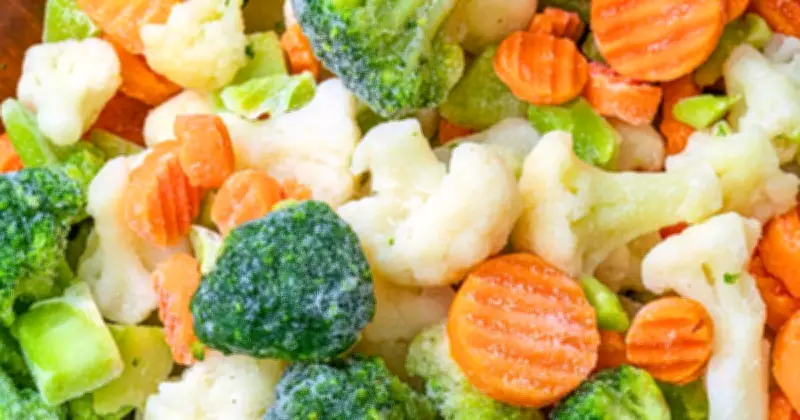
Classically trained chef Dennis Littley recommends cooking frozen vegetables over high heat by sautéing rather than boiling, which removes flavour and vital nutrients. The payoff is enhanced flavour and a perfect, delicious texture.
Why sautéing beats boiling
Sautéing is also great for preserving the nutritional content of vegetables and can significantly reduce cooking time compared with longer cooking techniques like boiling. Many home cooks skip sautéing when preparing frozen vegetables, perhaps assuming high heat isn't necessary since the veggies are already cooked.
Dennis told Food Republic: "Sautéing transforms frozen vegetables, giving them caramelised edges and a deeper taste."
The secret ingredient to add at the end
As well as sautéing, the chef recommends adding a specific type of ingredient to upgrade frozen mixed veggies – an acid. Dennis said: "A splash of lemon juice at the end brightens the flavours and balances the natural sweetness."
How to sauté frozen mixed veg
To sauté frozen vegetables, begin by warming one to two tablespoons of olive oil in a large frying pan over medium-high heat. When the oil is hot and sizzling, throw in your frozen vegetables directly – there's no need to defrost them beforehand.
As they cook, stir them from time to time to keep them from sticking to the pan. Within a few minutes, you'll notice the veggies developing a beautiful caramelised exterior, which brings out an amazing, rich flavour. Feel free to add salt and pepper to your liking once cooking is nearly complete.
You can expect the whole sautéing process to take anywhere from five to eight minutes, depending on which vegetables you've chosen. Once finished, you'll have a gorgeous pan full of vegetables that taste incredible and have a slightly crispy texture. As the last step, it is recommended that you add lemon juice.
This method works wonderfully with virtually any frozen vegetables you have on hand, whether it's a traditional blend of peas, corn, green beans, and carrots or something like bell peppers or cauliflower.