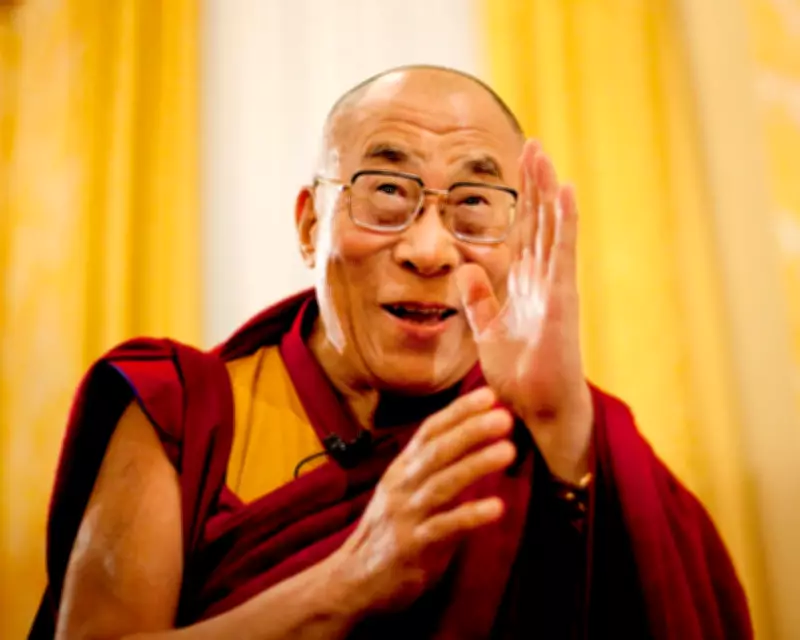
The 2026 Grammy Awards ceremony has witnessed a truly historic and unprecedented moment, as the Dalai Lama, the Tibetan spiritual leader, clinched his first-ever Grammy Award. This remarkable achievement not only celebrates his contributions to global culture but also underscores the evolving nature of the prestigious music awards, which continue to recognise diverse and influential figures from around the world.
A Landmark Victory for the Dalai Lama
In a ceremony filled with glitz, glamour, and musical performances, the Dalai Lama's win stands out as a poignant highlight. His award, which acknowledges his work in spoken word or related categories, reflects a broader trend of the Grammys embracing non-traditional artists and voices that resonate across borders. This victory is seen by many as a testament to his enduring impact on peace, spirituality, and human rights, transcending mere entertainment to touch on deeper societal themes.
Reactions and Significance of the Win
The news of the Dalai Lama's Grammy win has sparked widespread reactions from fans, cultural commentators, and international observers. Many have praised the decision as a bold move that honours his lifelong dedication to promoting harmony and understanding. Others view it as a symbolic gesture that bridges Eastern and Western cultures, potentially opening doors for more diverse recognition in future award ceremonies.

From a broader perspective, this event highlights how major awards like the Grammys are increasingly reflecting global diversity and inclusivity. It serves as a reminder that artistic and cultural contributions can come in many forms, from music and performance to spoken word and advocacy. The Dalai Lama's win may inspire other spiritual or humanitarian leaders to be acknowledged in similar ways, further enriching the cultural landscape.
Implications for Future Grammy Ceremonies
Looking ahead, the Dalai Lama's historic Grammy victory could set a precedent for the awards to continue expanding their horizons. As the entertainment industry evolves, there is growing pressure to recognise a wider array of talents and influences, including those from non-Western traditions and spheres beyond pure music. This win might encourage organisers to consider more categories or criteria that celebrate global voices, potentially reshaping how awards are perceived and awarded in the years to come.
In conclusion, the Dalai Lama's first Grammy Award win at the 2026 ceremony is more than just a personal accolade; it is a milestone that reflects changing cultural dynamics and the power of recognition on a world stage. As celebrations continue, this moment will likely be remembered as a turning point in the history of the Grammys, emphasising the importance of diversity, spirituality, and global unity in today's interconnected world.