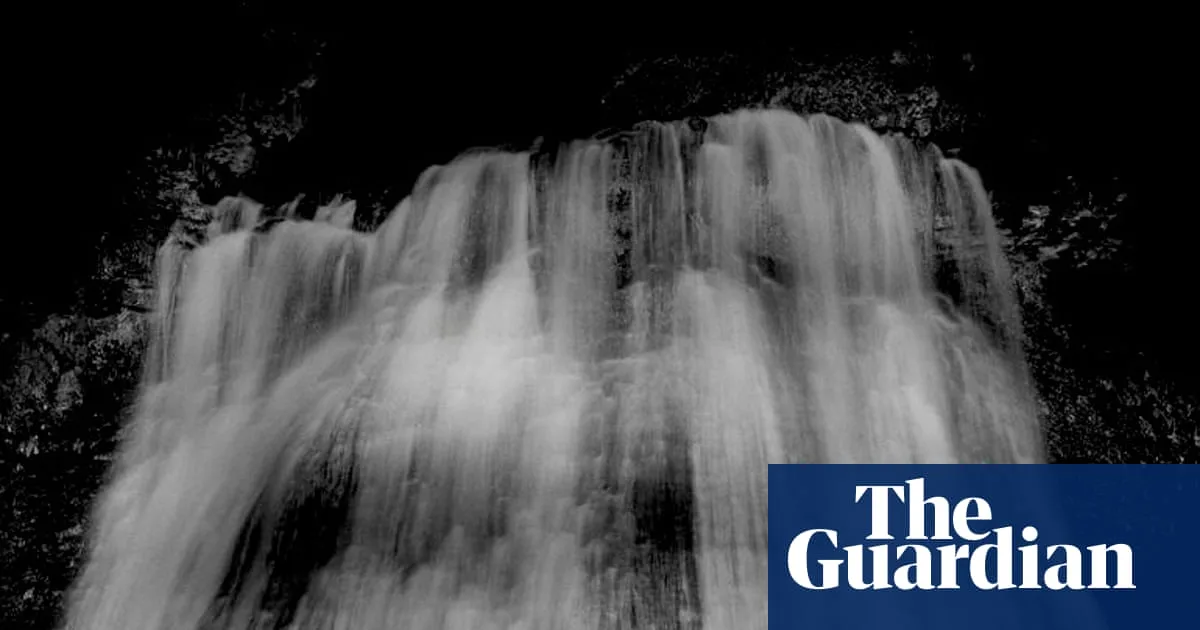
For John Arnison, a photographer based in Leeds, the quest for a unique artistic signature led him on a transformative journey into the nocturnal landscapes of northern England. Over the past 25 years, his dedication to photographing waterfalls at night has not only defined his creative output but also served as a vital coping mechanism for mental health challenges, including anxiety, ADHD, and depression.
A Personal Style Forged in Darkness
Arnison's project began with a simple yet profound ambition: to develop a photographic style that was unmistakably his own. Reflecting on this, he noted, "A lot of the best photographers' works have their own look, and I needed mine." Drawing inspiration from his earlier caving experiences, he realised that applying similar techniques to outdoor settings could yield striking and original imagery.
His inaugural expedition took him from Leeds to Malham in North Yorkshire, a nearly 40-mile drive undertaken in the dead of night. Little did he know that this initial foray would evolve into a quarter-century-long endeavour, profoundly shaping both his career and personal well-being.
Nature as a Therapeutic Sanctuary
Arnison, who has grappled with depression since his early teens, found that his photographic pursuits quickly became more than just a creative outlet. "I think of these photos as a balm for the soul," he explained. The struggles he faced academically, compounded by a late diagnosis of severe dyslexia at age ten, left him feeling isolated and misunderstood within his highly academic family.
Receiving his first camera at nine years old sparked a lifelong passion. After leaving school at 15, he was inspired by photojournalists like the Guardian's Denis Thorpe, leading him to work in Fleet Street darkrooms before establishing his own in Leeds. This darkroom has since become a central hub for a vibrant community of photographers across the north of England.
Arnison's connection to nature is deeply personal. He shared, "I think taking pictures has kept me going, and I think the waterfalls in particular have saved me." For someone who finds busy urban environments unsettling and interpersonal interactions challenging, the honesty and simplicity of nature provide a much-needed respite. "I find walking through a busy city quite worrying, but going out into the countryside at night alone, I love it. It's just me and the owls," he added.
The Cathartic Process of Creation
Over the last 15 years, Arnison has captured more than 150 photographs, often venturing out alone to locations across Yorkshire, Teesside, and Cumbria. On rare occasions, he has enlisted a friend with a walkie-talkie to assist with more complex shoots. He describes the entire process as profoundly cathartic, from initial research and planning to the hours spent perfecting each shot under the cover of darkness.
"It's so cathartic at every stage, researching the waterfalls, driving to them, spending hours getting this right. It just allows me to focus on what's outside my head," Arnison remarked. "When you're out in the pitch black you can't think of anything else, good or bad. You very much have to be in the moment."
His work holds such personal significance that he stores all the negatives in a fireproof case at home, acknowledging their irreplaceable value. "If anything happened to those, I couldn't recreate them. I could photograph them again, but it wouldn't be the same, they're so precious to me," he confessed.
Future Aspirations and Legacy
Now 63, Arnison has no intention of retiring, feeling as energetic as he did in his youth. However, he recognises that his physically demanding nocturnal adventures may not be sustainable indefinitely. "There's going to be a time when I can't keep trampling over moors and up mounds and things in the dark by myself," he admitted.
Looking ahead, he hopes to compile his extensive collection into a book, potentially enriched with poetry from northern writers. "I'd love to release a book of my photos to be honest," Arnison said. "If I could see my work in print ... if anyone could look at it and take something helpful from it, then I'd feel really proud. It's always been about the process of taking them for me, but if anyone could relate to them, then that would be amazing as well."
Arnison's story underscores the powerful intersection of art, nature, and mental health, demonstrating how a personal creative pursuit can evolve into a lifeline, offering solace and purpose amidst life's challenges.