V&A Dundee Exhibition Chronicles Over a Century of Fashion Show Evolution
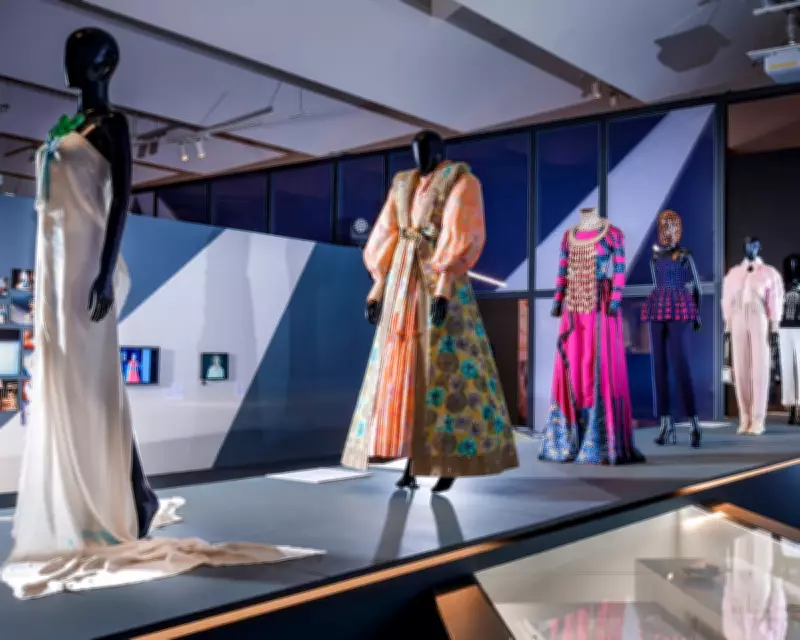
Catwalk: The Art of the Fashion Show at V&A Dundee brings to life more than 100 years of runway history, tracing its journey from discreet 19th-century salons in London and Paris to today's extravagant global spectacles. The exhibition features over 100 items, including iconic garments, props, and multimedia displays, offering a comprehensive look at how fashion shows have transformed into cultural phenomena.
Scottish Designers Take Centre Stage
The exhibition prominently showcases Scottish talent, underscoring Scotland's role in fashion history. Highlights include an orange and white dress from Christopher Kane's debut London Fashion Week collection in 2007, coinciding with his recent appointment as creative director of Mulberry. Also featured are a layered "queen of hearts"-style dress by Charles Jeffrey Loverboy and a tartan kilt with Fair Isle jumper by Nicholas Daley, reflecting Jamaica-Scotland heritage.
Historical context is provided with events like the 1938 fashion show at Glasgow's Empire Exhibition and Dior's shows in Scotland in 1955 and 2024, emphasizing the region's ongoing influence.

Iconic Moments and Mishaps
A standout piece is the green suede sandal by Manolo Blahnik from Ossie Clark's 1971 London show, where missing steel pins caused models to wobble. Initially feared as a career-ender, it was praised by press like Sir Cecil Beaton as "a new way of walking," illustrating how accidents can spark trends.
The exhibition also displays Paco Rabanne's metal mirror dress and Mary Quant's burgundy vinyl raincoat, symbolizing the shift from elite haute couture to dynamic ready-to-wear shows in the 1950s-60s.
From Salons to Spectacles
Curator Svetlana Panova notes that fashion shows evolved from private salons to public venues like gardens and ocean liners in the 20th century, revolutionizing them as marketing tools. The rise of luxury conglomerates in the late 1980s further amplified this, with shows becoming immersive events featuring theatrical staging and A-list guests.
Examples include footage of Karl Lagerfeld's Chanel autumn/winter 2018 show with a rocket launch in Paris, and props like a Chanel-branded megaphone from a 2015 feminist protest show.
Modern Innovations and Democratic Access
The exhibition explores contemporary trends, such as virtual reality sets from pandemic-era shows and creative invitations like Lacoste's tennis net slices. Despite perceptions of elitism, Catwalk emphasizes fashion's democratic aspects, with a central room recreating backstage chaos through makeup kits and wigs from artists like Val Garland and Sam McKnight.
Director Leonie Bell highlights that fashion shows influence everyday wear and involve collaborative efforts across designers, photographers, and stylists.
Cultural Reflections and Global Impact
Catwalk connects fashion evolution to social changes, from Quant's miniskirts in the 1960s to digitalization during the pandemic. It argues that runway events both respond to and shape culture, making them relevant to all, whether attendees or not.
The exhibition, a collaboration with Germany's Vitra Design Museum, runs at V&A Dundee, offering an engaging look at how catwalks have become integral to global culture.