From Boxing Fan to Cultural Documentarian: A Photographer's Unlikely Journey
When Berlin-based photographer Frederik Ruegger stumbled upon the Netflix documentary series At Home with the Furys while browsing television schedules, he found himself unexpectedly captivated. As an avid boxing enthusiast, he was initially drawn to the programme by the presence of heavyweight champion Tyson Fury, known as the Gypsy King. However, what began as casual viewing soon transformed into a profound cultural exploration that would span two years and multiple countries.
The Spark That Ignited a Project
The 32-year-old German photographer explains his initial fascination: "I have a huge interest in boxing. I've been boxing myself for years. And yeah, I admire Tyson Fury a lot, not only for his sport, but also for his personality." Fury's portrayal of his Traveller heritage in the documentary series provided Ruegger with his first meaningful glimpse into this often-misunderstood community. This exposure proved so compelling that he booked a flight from Berlin to Manchester, determined to witness Traveller culture firsthand at Europe's largest annual gathering for these communities.
Immersing in Tradition at Appleby Horse Fair
Armed with his trusted 28mm camera, Ruegger made his way to the famous Appleby Horse Fair in Cumbria, held every June. This gathering represents the largest annual event for Gypsy and Traveller communities across Europe. It was here, amidst the vibrant atmosphere, that he heard a traditional folk song playing from a CD stall - 'I'm a Stranger in this Country' - which would eventually provide the perfect title for his photographic project.

Reflecting on this choice, Ruegger notes: "A Stranger in This Country seemed like a good title, as Travellers can I think feel a bit like that...and so was I." His status as a German photographer among predominantly British colleagues at the fair made him feel like an outsider, creating an unexpected connection with the Traveller community he sought to document.
Building Trust Through Respect and Authenticity
Over two years between 2022 and 2024, Ruegger made numerous visits to horse fairs across both the UK and Ireland, gradually earning unprecedented access to Traveller lives and traditions. His approach was built on fundamental principles of respect and transparency. "I think if you show up somewhere, no matter if it's a Traveller community or anywhere else in the world, and you have good intentions and you are honest and open, then in 99% of cases you will receive the same thing back," he explains.
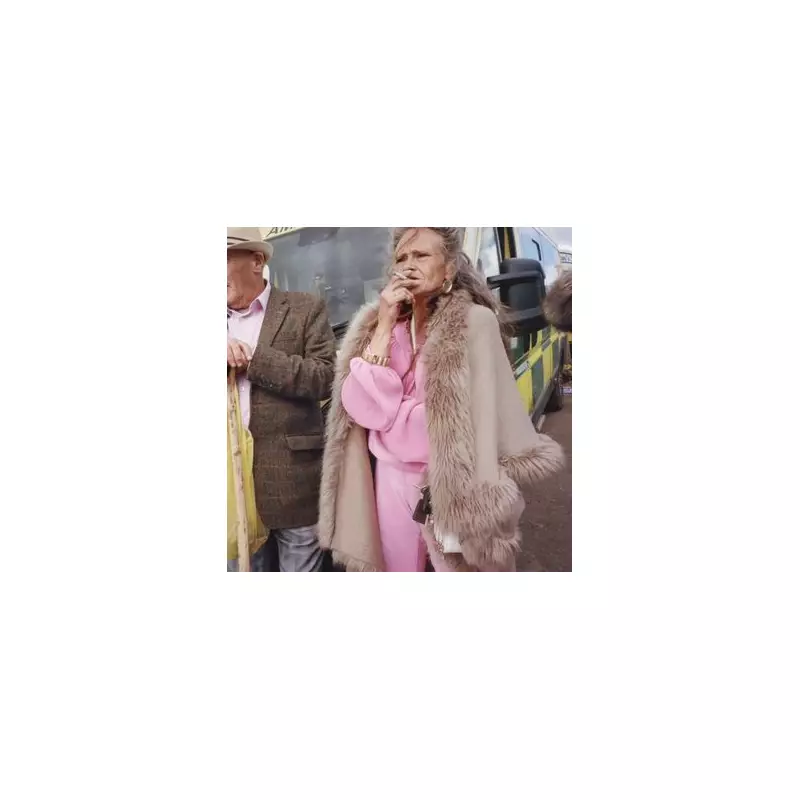
This philosophy proved remarkably effective. Ruegger developed particularly close relationships with one family who invited him to stay with them at their campsite. His photographic technique involved using only analogue equipment with a 28mm wide-angle lens, requiring him to work in close proximity to his subjects. "I was allowed to take pictures whenever I wanted and everything was as natural as possible. People kind of forgot that I was still there," he recalls of the candid, retro-feeling images that characterize his work.
Ethical Photography and Community Collaboration
Ruegger's process involved significant collaboration with the communities he photographed. After each trip, he would send images to the families featured and incorporate their feedback. "I never published anything when they said, 'we don't want that,'" he emphasizes, highlighting his commitment to ethical representation. This respectful approach resulted in numerous photographs that never made it into the final book but strengthened the trust between photographer and community.
Preserving Traditions and Challenging Perceptions
Throughout his project, Ruegger witnessed occasional suspicion and hostility directed toward Traveller communities from those unfamiliar with their way of life. This experience deepened his appreciation for their cultural traditions. "These kind of communities should be able to follow their traditions and keep their identity. It needs to be preserved," he asserts.

The technical challenges of using analogue equipment added another layer of complexity to his work, particularly when navigating airport security with film that could be ruined by scanning equipment. Yet Ruegger persisted, preferring the aesthetic quality of film over what he describes as the excessive sharpness of modern digital cameras.
A Lasting Legacy and Future Connections
The project has yielded more than just a published book. Ruegger has forged lasting friendships within the Traveller community and hopes to continue documenting their lives. "I will definitely go back. Maybe the more interesting [photographic] series might be seeing the kids grow up and grow old, the same as me, and to show the new generations come through," he envisions for future work.
Reflecting on his journey, Ruegger expresses profound gratitude: "I feel honoured to have captured their world. It's their world, I was just the one framing it, but it belongs to the traveller community. My proudest moment was getting to know and be trusted by all these wonderful people." His book, I am a Stranger in This Country, published by Kehrer Verlag, stands as a testament to this remarkable cross-cultural connection that began with a boxing documentary and evolved into a meaningful documentation of a vibrant, traditional way of life.