Henry V's Timeless Echo: How Shakespeare's War Play Mirrors Modern Global Chaos
Shakespeare's Henry V: A Barometer of Modern Global Chaos

Henry V: A Timeless Mirror to Modern Turmoil

In an era marked by global instability and fractured alliances, the revival of Shakespeare's Henry V by the Royal Shakespeare Company feels particularly poignant. Directed by Tamara Harvey, this new production arrives at a time when the spectre of war looms large, making the play's exploration of leadership, conflict, and morality more urgent than ever.

The Ever-Changing Nature of a Shakespearean Classic

Shakespeare's history plays, with their deep dives into governance and tyranny, hold a mirror to contemporary politics. Henry V, in particular, has proven to be a chameleon-like work, its meaning shifting with the cultural and political winds of each era. As scholar James Shapiro noted, performances of this play serve as a barometer for the times, reflecting anxieties from Irish uprisings in 1599 to the shadow of Iraq in 2003.

Past productions have highlighted this adaptability. Laurence Olivier's 1944 film version was a rallying cry for wartime Britain, while Kenneth Branagh's 1989 adaptation was tinged with the disillusionment of Vietnam. On stage, interpretations have ranged from the heroic to the ambivalent, with directors like Michael Boyd emphasising the king's contradictions—a leader capable of both brutality and tenderness.

Deglamorising War and Sharpening Relevance

Modern stagings of Henry V have consistently sought to strip away the glamour of war, focusing instead on its grim realities. Productions have featured:

  • Workaday soldiers huddled in the rain, as in Adrian Noble's 1984 version.
  • Potent reminders of war's consequences, such as the Cenotaph framing in Ron Daniels's 1997 production.
  • Explorations of confused patriotism, seen in Edward Hall's 2000 rendition with nods to Dad's Army.
  • Direct reflections on contemporary conflicts, like Nicholas Hytner's 2003 staging shadowed by the Iraq war.

These approaches underscore the play's ability to resonate with audiences grappling with current events, from military invasions to the ethics of leadership.

What to Expect from the New RSC Production

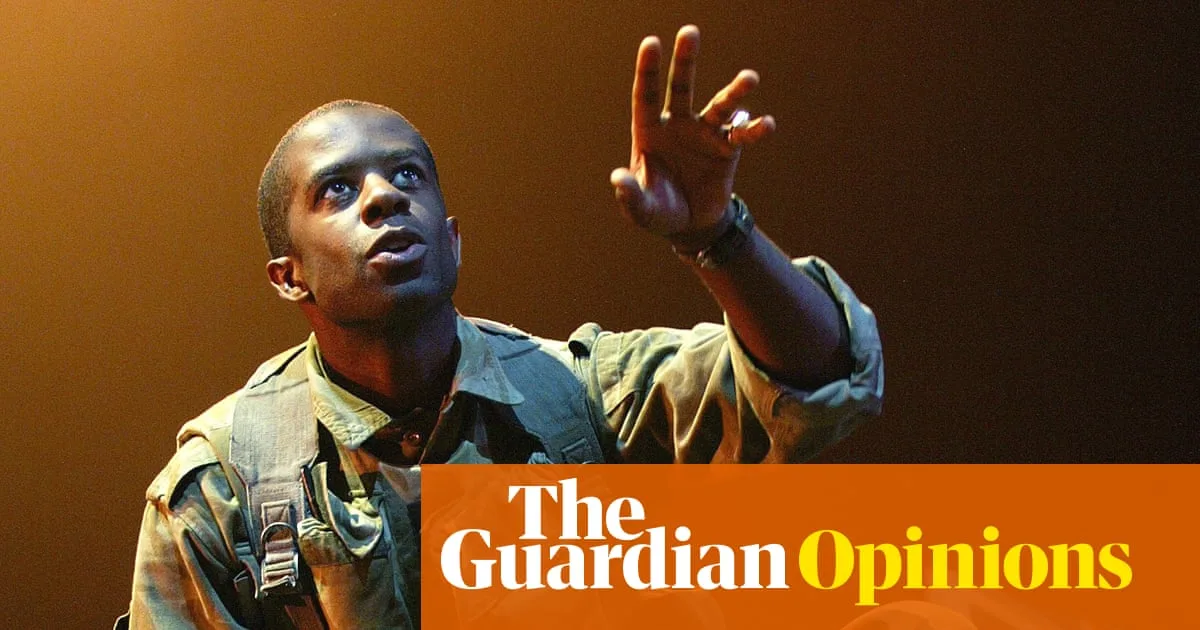
Tamara Harvey's direction marks a historic moment as the first woman to helm Henry V for the RSC. With Alfred Enoch in the titular role and a diverse company of 11 men and eight women, this production promises a fresh perspective. Key questions will revolve around how today's chaos—from global tensions to conflicts like Ukraine—is refracted through Shakespeare's text.

Burgundy's speech on war's devastating impact, with lines about survivors "grow[ing] like savages", has acquired new potency in a world contemplating the possibility of widespread conflict. Yet, amid the darkness, the play also celebrates acts of courage, offering a blend of the heroic and ironic that feels uniquely suited to our times.

As Henry V returns to the Royal Shakespeare Theatre in Stratford-upon-Avon from 14 March to 25 April, it invites audiences to reflect on leadership, morality, and the enduring human spirit in the face of adversity.