

Labour Faces Pressure to Reaffirm European Commitment Amid Brexit Fallout
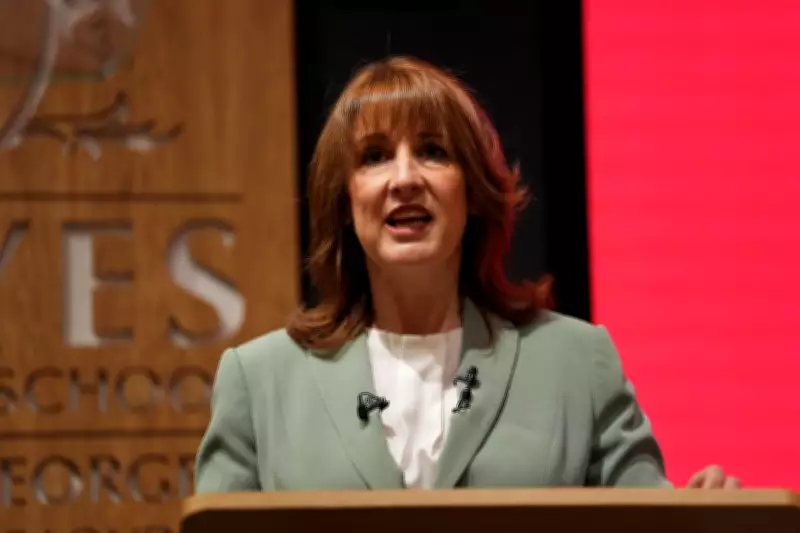
Chancellor Rachel Reeves has received praise for her candid assessment of the United Kingdom's economic challenges, yet she now faces mounting demands to move more decisively toward aligning with the European Union. In her recent Mais lecture delivered in the City of London, Reeves outlined three primary growth strategies, but observers argue that only the third—forging a deeper relationship with the EU—holds genuine transformative potential.
Reeves' Growth Strategy: Substance Versus Rhetoric
Reeves' first two choices—promoting growth across all regions and championing innovation, particularly in artificial intelligence—have been met with skepticism. While regional development has been a perennial political pledge since deindustrialisation began, past initiatives have consistently fallen short, and there is little evidence to suggest current efforts will diverge from this pattern. The focus on AI, though more pragmatic, largely builds upon foundations laid during Rishi Sunak's premiership, which recognised the state's role in enabling technological advancement.
The chancellor's emphasis on creating "the active and strategic state" is commendable, yet it is her third choice that carries the most weight. Reeves explicitly stated that Brexit has inflicted "deep damage" on the British economy, citing increased business costs, higher consumer prices, and reduced export markets as direct consequences. This frank admission marks a significant departure from previous cabinet rhetoric, offering a rare moment of clarity regarding the referendum's aftermath.

The Alignment Conundrum: Benefits Without Obligations
Reeves advocates for regulatory alignment with the EU, proposing that adherence to European rules could minimise trade barriers without requiring full membership in the single market or customs union. This approach, while economically rational, presents a diplomatic tightrope. The EU may resist granting single market benefits to a non-member that avoids associated responsibilities, such as the free movement of people.
Nick Thomas-Symonds, Minister for the Cabinet Office with responsibility for constitution and EU relations, is tasked with advancing this integration agenda. His priorities include addressing unfair European fees, focusing on youth employment and the food and drink sector, and demonstrating that growth can flourish with reduced bureaucratic burdens.
However, critics contend that the government's position remains contradictory: it highlights the costs of Brexit while simultaneously ruling out the measures necessary to mitigate them. This paradox underscores the political constraints facing Prime Minister Keir Starmer and Chancellor Reeves, who have thus far rejected any discussion of rejoining the EU or its core structures.
Beyond Economics: The Case for European Unity
The argument for closer ties extends beyond mere economic pragmatism. Shared security interests, particularly in supporting Ukraine against Russian aggression, illustrate the broader imperative for European cooperation. As the United States' foreign policy grows increasingly unpredictable under figures like Donald Trump, cohesive European action becomes ever more vital.
Reeves' lecture framed alignment as a "mutual interest," a perspective that holds true not only for trade but also for defence and geopolitical stability. Yet, to realise this vision, the chancellor and prime minister must articulate a more compelling case to both domestic audiences and European partners. They must demonstrate that Britain's future is inextricably linked to Europe, embracing the ideal of unity rather than treating the relationship as a transactional arrangement.
Ultimately, while Reeves' analysis is a step in the right direction, bolder leadership is required to navigate the post-Brexit landscape. The time has come for Labour to unequivocally declare that Britain's prosperity and security are best served by a renewed commitment to its European neighbours.






