Rome Church Angel Restoration Sparks Controversy Over Alleged Meloni Likeness
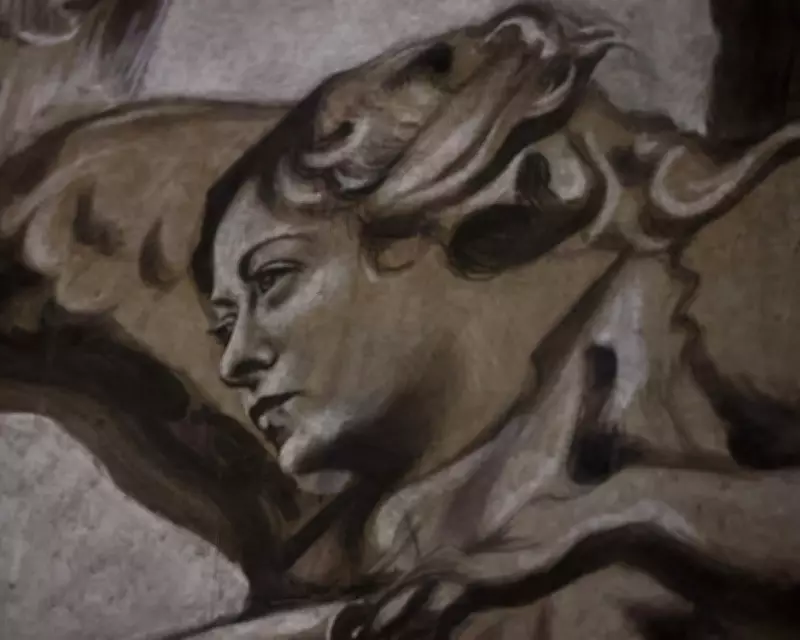
Italy's culture ministry and the Diocese of Rome have initiated formal investigations following explosive claims that a restored angel in a landmark Roman church now bears a striking resemblance to Prime Minister Giorgia Meloni. The controversy centres on the Basilica of St Lawrence in Lucina, where one of two angels flanking a marble bust of Italy's last king has undergone a dramatic transformation.
From Generic Cherub to Contemporary Face
The newspaper La Repubblica first highlighted the remarkable change, reporting that the angel originally painted in 2000 had featured a "generic cherub" face before restoration. Today, observers note "a familiar, astonishingly contemporary face" that many believe mirrors the features of Italy's most powerful political figure. The publication stated unequivocally: "Before the restoration, there was a generic cherub. Today, it is the face of the most powerful woman in the country."
This front-page revelation triggered immediate reactions across Italy's political and cultural spheres. The Ministry of Culture dispatched technicians to inspect the winged figure, instructing them to "establish the nature of the work carried out" and determine appropriate follow-up actions.

Political Reactions and Ecclesiastical Response
Opposition politicians swiftly condemned the situation. Irene Manzi of the centre-left Partito Democratico declared the development "unacceptable" and demanded investigation into potential heritage regulation breaches. Members of the Five Star Movement warned against allowing "art and culture to risk becoming a tool for propaganda," regardless of whose face might be depicted.
The Diocese of Rome expressed "disappointment" through its vicar general, Baldassare Reina, who pledged to "immediately initiate the necessary investigations" to identify responsibility. The diocese firmly reiterated that "images of sacred art and Christian tradition cannot be misused or exploited," emphasising their exclusive purpose in supporting liturgical life and prayer.
The Restorer's Perspective
Bruno Valentinetti, the octogenarian pensioner who performed the restoration, defended his work in multiple interviews. "They asked me to fix it, and I did," he stated, explaining he had volunteered for the two-year project out of gratitude to the parish priest who had hosted him.
Valentinetti insisted he had simply returned the paintings to their original state: "In restoration, you strip away the layers and the original design reappears. I traced it and put the colour back in. The design was ruined, but I managed to recover the outline and traced it." He vehemently denied any political motivation or intentional resemblance, stating: "It's not Meloni. I restored the faces to how they were 25 years ago."
Parish Context and Heritage Status
Parish priest Daniele Micheletti acknowledged "a certain resemblance" but distanced himself from artistic decisions, telling reporters: "I asked for the chapel to be restored exactly as it was, I don't know." He explained the restoration became necessary after water damage affected the chapel containing the painting.
Significantly, Micheletti noted the original painting dated from 2000, meaning it fell outside heritage protection regulations. He defended Valentinetti's credentials, asserting: "He's not a house painter; he's very good."
Social Media Reactions and Silver Linings
As before-and-after photographs circulated widely on social media, Prime Minister Meloni herself addressed the controversy with apparent amusement. On Instagram, she posted an image of the restored angel alongside the caption: "No, I definitely do not look like an angel," accompanied by laughing emojis.
Despite the uproar, Valentinetti identified one positive outcome from the swirling debate: "In the past years we've never seen so many people in this church." The fourth-century basilica has experienced unprecedented visitor interest since the story broke, transforming what began as a local restoration project into a national conversation about art, politics, and religious representation.

The investigations by both cultural authorities and ecclesiastical officials continue as Italy grapples with questions about artistic integrity, political symbolism, and the appropriate restoration of religious artworks in historic settings.