As the festive season winds down across the UK, a unique celebration takes centre stage in Ireland every January 6th. Known as Nollaig na mBan, or Women's Christmas, this tradition offers a day of respite and recognition for women after the busy holiday period.
The Heart of the Tradition: A Day of Rest and Connection
For generations in areas like West Kerry, Cork, and other Gaeltacht regions, January 6th has been a dedicated "day off" for women. Following weeks of organising and executing Christmas for their families, this was their time to socialise, relax, and enjoy each other's company. Folklorist Kevin Danaher, writing in 1970, noted the shift in fare: "Christmas Day was marked by beef and whiskey, men’s fare, while on Little Christmas Day the dainties preferred by women – cake, tea and wine, were more in evidence."
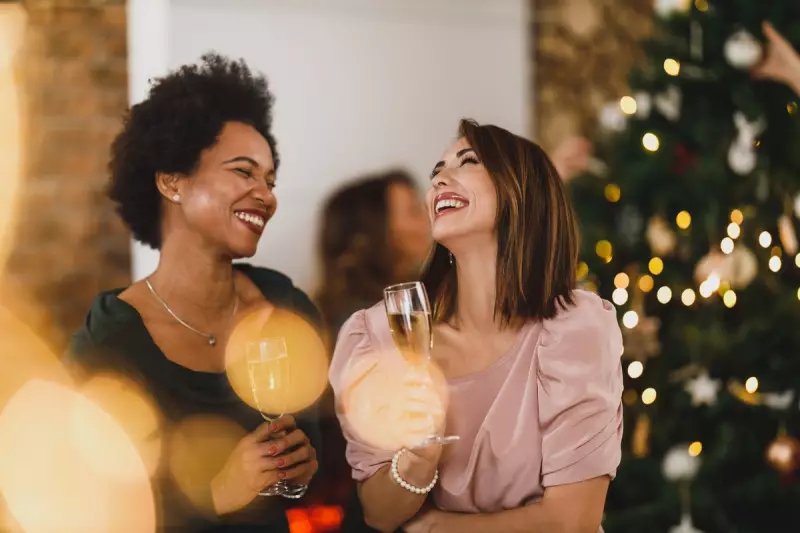
The day often involved visiting female friends and relatives, dressed in their best clothes, sharing currant cake, and enjoying a glass of punch or sherry. Men frequently acted as chauffeurs, facilitating these gatherings. As Aoife Granville, a Lecturer in Béaloideas (Folklore) at University College Cork, recalls from her childhood in West Kerry, it was a cherished ritual for her grandmother and great-aunt, a chance to catch up before perhaps ending the day with music in a local pub.

From Local Custom to National Celebration
While deeply rooted in specific Irish-speaking communities, Nollaig na mBan was not universally celebrated across Ireland. In many places, January 6th was known simply as Little Christmas or the Feast of the Epiphany, marking the end of the twelve days of Christmas and the visit of the Three Kings. The night before, Oíche na dTrí Rithe (the Night of the Three Kings), is associated with the lore of water turning to wine, with many lighting three candles in their windows.
However, the past decade has seen a remarkable resurgence in the tradition's popularity. Driven by social media and increased cultural awareness, Nollaig na mBan is now celebrated nationwide. From Belfast to Cork, pubs and restaurants advertise special menus and events. A dedicated festival now takes place in north County Dublin, highlighting the day's growing significance.
A Modern Evolution: Empowerment and Equality
Today's celebrations honour the tradition's spirit while adapting to contemporary life. Gatherings have moved from front rooms to hotels, restaurants, and pubs, encompassing brunches, lunches, and evening events for friends, family, and colleagues. The day has also evolved into a broader celebration of Irish women's achievements, mirroring aspects of International Women's Day.
It's a day to champion female Irish writers, poets, musicians, and designers. It serves as a powerful reminder of how far women's rights have progressed since the late 1970s, before the lifting of bans on contraception and married women working. Yet, it also underscores the ongoing journey towards full equality in business and society. The old, slightly jibing saying, "Nollaig na mBan, Nollaig gan mhaith" (Women's Christmas, no good Christmas), which referenced the lighter foods, has been replaced by a collective toast to women's vital role and hard-earned freedoms.
Nollaig na mBan stands as a beautiful and resilient Irish custom, transforming from a well-deserved day off into a vibrant, modern celebration of female solidarity, culture, and progress.