NGV's 'Mother' Exhibition Explores the Relentless Reality of Motherhood
NGV's 'Mother' Exhibition: Art of Motherhood Unveiled

NGV's 'Mother' Exhibition Explores the Relentless Reality of Motherhood

A groundbreaking new exhibition at the National Gallery of Victoria, titled Mother, delves into the profound and often overlooked experiences of motherhood through a collection of over 200 artworks. Curated by Sophie Gerhard and Katharina Prugger, both mothers themselves, the show juxtaposes historical depictions of maternity with contemporary pieces created amidst the demands of child-rearing.

The Creative Paradox of Motherhood

Inspired by the German artist Käthe Kollwitz, who likened her post-motherhood art practice to a cow grazing—suggesting a loss of urgency rather than relaxation—the exhibition questions whether the relentless nature of parenting can fuel creativity. Gerhard and Prugger, who describe their own early mothering as "relentless," have assembled works that highlight the tension between maternal labour and artistic output.

The exhibition opens with iconic images of the Virgin Mary, representing an idealized, untouchable mother figure in Western art. However, it quickly contrasts this with more visceral representations, such as Elizabeth Djutarra's woven birthing skirts, which attest to the blood and mess of actual childbirth. This disconnect underscores how historical art often sanitizes the raw reality of motherhood.

Wide Pickt banner — collaborative shopping lists app for Telegram, phone mockup with grocery list

Making the Invisible Visible

Mother brings to light the erasure of maternal labour, whether performed by mothers or their proxies. A sketch by Queen Victoria of her infant daughter, Princess Victoria, subtly obscures the nurse's face, symbolizing the invisibility of caregiving. Similarly, 19th-century photographs of well-dressed infants reveal camouflaged mothers holding them steady during long exposures, highlighting the hidden efforts behind polished images.

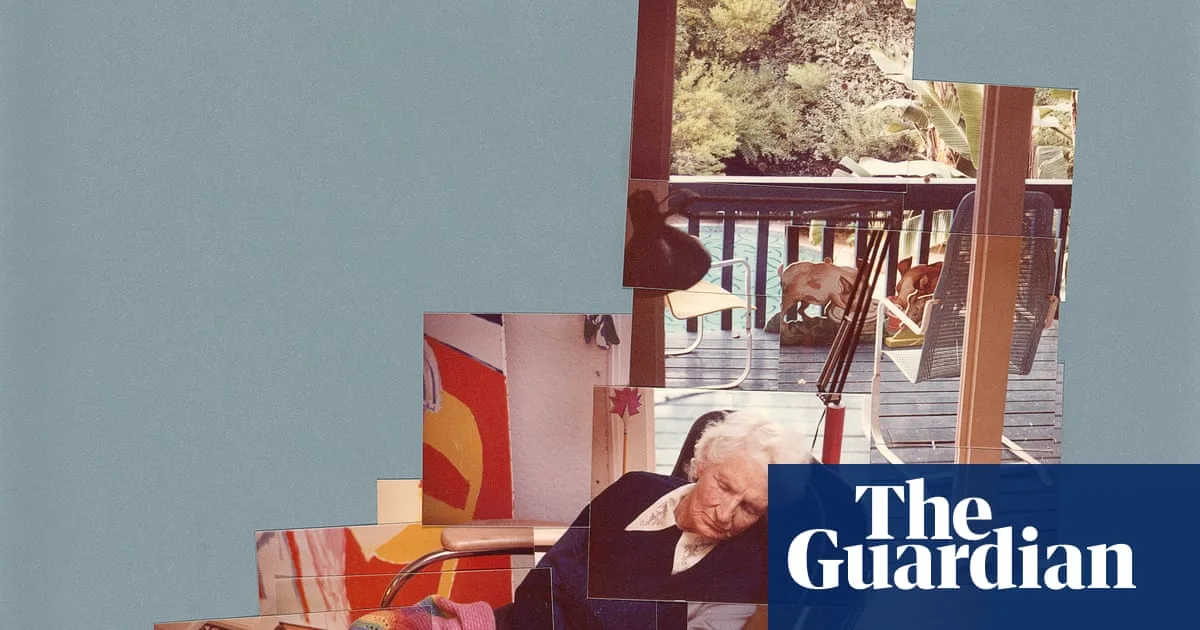
The exhibition crystallizes motherhood across cultures through the concept of labour, showcased in works like Christine Godden's photographic documentation of home birth and Davida Allen's ambiguous painting Baby, where a mother's gesture could be one of feeding or frustration. Images of mothers sleeping entwined with their children evoke the exhaustion and fleeting bliss of maternal rest.

Repetition as a Creative Force

Contrary to the notion that repetition stifles creativity, Mother demonstrates how the repetitive tasks of parenting can inspire artistic innovation. Kate Just's An Armour of Hope, a knitted metal and silk piece for her adopted son, uses each stitch as a repetitive act that cumulatively forms a declaration of love. First Nations artists like Kyra Mancktelow and Guruwuy Murrinyina reclaim maternal histories through traditional textiles, showing how generational techniques mirror the patient, accumulative nature of raising a child.

The exhibition is divided into three themes: creating, giving, and leaving. It encompasses loss, with a dedicated room to miscarriage and infant loss, as well as joy and humour, seen in Patricia Piccinini's golden Nest and Tala Madani's depiction of a nursing mother. Queenie McKenzie's Blackfellas in Bush Country reveals maternal subterfuge, referencing her mother's use of charcoal to prevent child removal.

Leaving and Letting Go

The final section, leaving, explores the bittersweet detachment of motherhood as children grow. It reflects on the cycle of depletion and renewal, where relinquishment becomes a creative act in itself. As children transition to adulthood, the exhibition suggests that motherhood's legacy is one of enduring, albeit transformed, connection.

Mother: Stories from the NGV Collection runs until 12 July, offering a poignant exploration of the universal yet deeply personal journey of motherhood through art.

Pickt after-article banner — collaborative shopping lists app with family illustration