Record 1,540 Treasure Finds in 2024 as Metal Detectorists Unearth UK History
Metal Detectorists Drive Record Treasure Finds in UK

The United Kingdom has witnessed an unprecedented boom in archaeological discoveries, with a record number of treasure finds officially recorded last year. This remarkable surge is being driven overwhelmingly by the nation's growing community of amateur metal detectorists, whose passion is unearthing and preserving hidden chapters of British history.

Public Enthusiasm Fuels Archaeological Boom

Data managed by the British Museum shows that 2024 saw 79,616 finds recorded through the Portable Antiquities Scheme (PAS). This marks a significant increase from 74,506 in 2023 and 53,490 in 2022. Crucially, an astonishing 94 per cent of these publicly reported finds originated from amateur enthusiasts, primarily metal detectorists. This underscores what museum officials describe as the indispensable role of the public in documenting the nation's heritage.

The most striking figure is the number of declared treasure cases, which reached 1,540 in England, Wales, and Northern Ireland during 2024. This is the highest annual total ever recorded, up from 1,377 cases in the previous year. The vast majority of these objects, over 92%, were recovered from cultivated land, where they are at constant risk of damage from modern farming practices.

Remarkable Discoveries from Hastings to Wiltshire

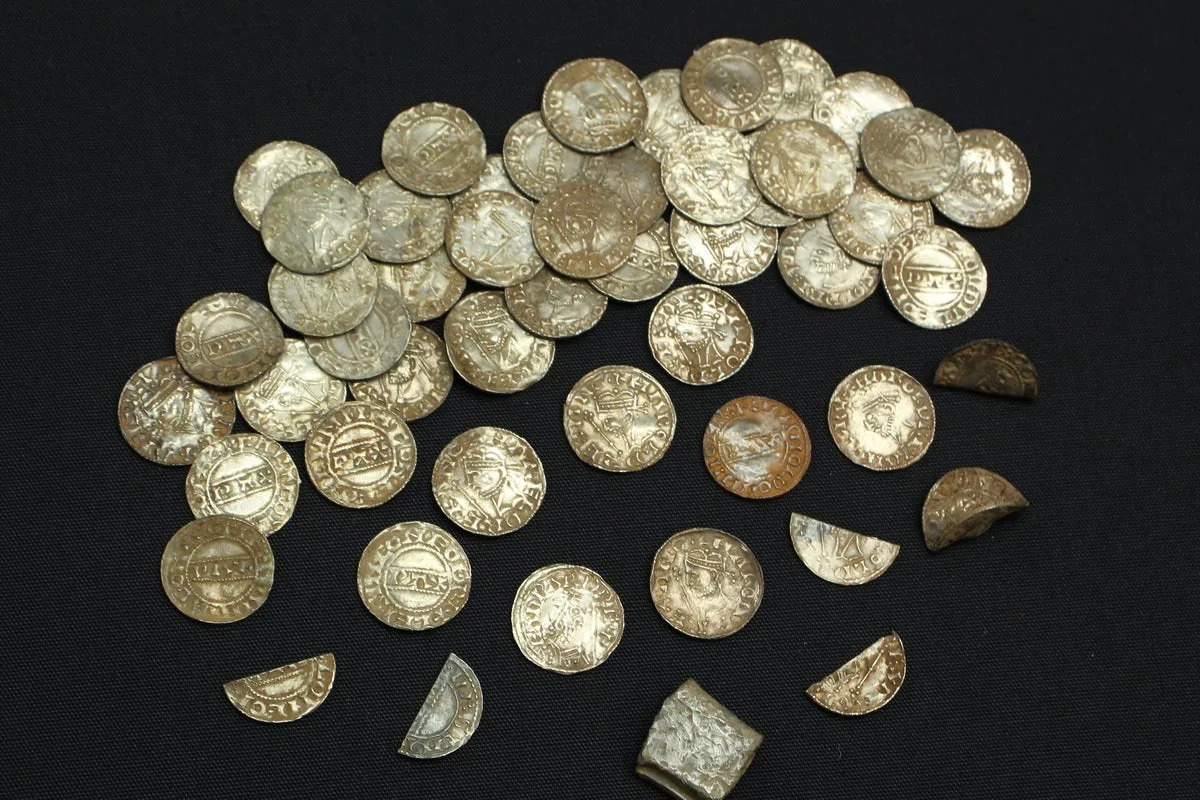
Among the standout finds reported last year was a hoard of 179 silver pennies believed to have been buried on the eve of the Battle of Hastings in 1066. This Harold II-era coin hoard, discovered in Yorkshire, offers a tangible link to one of the most pivotal moments in English history.

Another exceptional find was a complete copper-alloy Roman vehicle fitting unearthed by a detectorist in Essex. Experts believe the object, which dates from between approximately AD 43 and 200, was once attached to a carriage, wagon, or animal yoke, providing fresh insight into Roman transportation and craftsmanship in Britain.

Further adding to the year's highlights was an assemblage of early medieval precious metal objects found in plough soil in Wiltshire. This high-status collection, thought to be part of a burial, includes a stunning silver, gold, and garnet bird’s head terminal inlaid with elephant ivory, possibly from a drinking horn, alongside several gold rings. A follow-up excavation led by Cardiff University and the PAS is planned to investigate the site further.

Regional Hotspots and National Impact

The counties that recorded the highest volume of PAS finds were predominantly agricultural regions with rich archaeological layers: Norfolk (7,120), Suffolk (5,410), Lincolnshire (5,133), and Gloucestershire (5,034). When it comes to treasure cases specifically, Norfolk led with 138, followed by Hampshire (110) and North Yorkshire (109).

Dr Nicholas Cullinan, Director of the British Museum, praised the system, stating: “The British Museum is proud of its role in managing the Portable Antiquities Scheme and the treasure process. Together, they are vital tools for preserving and recording Britain’s past.”

Culture Minister Baroness Twycross also commended the collaborative effort, noting that these discoveries “help to shape our national story” and provide “a wealth of knowledge”. She credited finders, landowners, and museums for ensuring these treasures can educate and inspire future generations.

The consensus is clear: the surge in metal detecting is not a passing trend but a transformative movement in British archaeology. By legally reporting their finds, these dedicated members of the public are ensuring that countless fragments of the past are saved, studied, and shared, rewriting history one beep at a time.