The Last Man in Dobrușa: A Photographer's Tribute to Solitude and Resilience
Last Man in Moldovan Village: A Story of Solitude

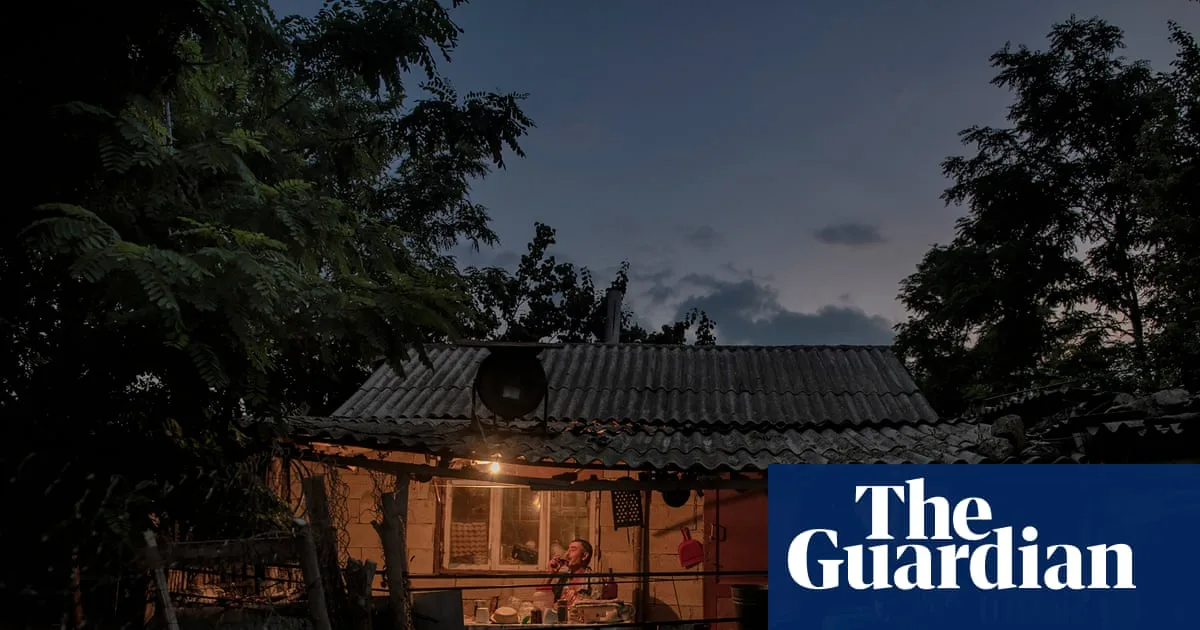
In the quiet, fading light of a Moldovan sunset, a man stands before his home, surrounded by his flock of ducks. This poignant image, captured by photographer Laetitia Vançon, tells the story of Grisa Muntean, the last remaining resident of the village of Dobrușa. The photograph serves as a powerful tribute to human resilience and the creation of a personal haven amidst isolation.

The Vanishing Village

Dobrușa, once a thriving rural settlement with a population of 200 people, typified the communities scattered across Moldova following the collapse of the Soviet Union in 1991. By the time Grisa Muntean arrived in the year 2000 to establish a sheep farm, the number of inhabitants had already dwindled to just 70. When Vançon visited in July 2019 to document the rural areas of Moldova for the New York Times, Grisa, then aged 65, was living there completely alone.

The village's depopulation took a particularly dark turn just months before the photograph was taken. The only other remaining residents, a couple in their 40s, were brutally murdered by a farmer from a neighbouring village. Their half-naked bodies were discovered on the ground, beaten to death. This horrific event left Grisa feeling profoundly unsafe in his solitary existence, and he began contemplating a move to a larger, more populated settlement.

A Life of Simple Rhythms

Despite being the village's sole human occupant, Grisa was far from alone. He shared his little heaven with a bustling community of animals: turkeys, geese, chickens, pigeons, bees, and a remarkable flock of 120 ducks, many of which are visible in the photograph. His days began at 4am, a routine Vançon joined to capture his life authentically from sunrise.

"He offered me a cup of coffee when I arrived – then he presented me with a glass of wine, which was how he started his day," Vançon recalls. After this morning ritual, Grisa would tend to his animals, harvest vegetables from his garden, and collect honey from his bees to sell at the local market. Later, he would return to prepare his own meals, living what the photographer describes as a very simple, self-sufficient life. He even shared photographs from his past, showing his time as a soldier in the Soviet army.

Finding Beauty in Solitude

Grisa spoke candidly about his situation, acknowledging that loneliness kills you slowly. Yet, within that solitude, he discovered profound joy and peace. He enjoyed reading books and maintained friendships with people who still visited him. Despite having little income and living with almost nothing, he found immense beauty in his surroundings, lovingly referring to his plot of land as a "little heaven." He cherished walking on his property and spending quiet moments with his animals.

Vançon's approach to photography is deeply rooted in connection. "I see photography as a way to connect people, despite their differences in culture, upbringing or social class," she explains. She focuses on intimate, universal moments—a mother waking her child, a silent walk, a family dinner—that reveal the extraordinary within the ordinary and highlight our shared humanity.

A Charged Moment at Sundown

The photograph was taken at the end of the day, during the reflective, charged moments of sundown. "It captures that moment when you pause, look back, and realise what you've achieved, feeling content," says Vançon. She imagines that everyone experiences similar feelings at the close of a day or a year. In that tranquil evening light, Grisa's little heaven was fully revealed.

This image is part of a broader body of work by Laetitia Vançon. Next month, her solo exhibition, Tribute to Odesa, will open at the Oxo gallery in London from 11th to 18th February. The show will present work created on assignment during the conflict in Ukraine, aiming to reveal an unseen side of the war. Vançon, born in France in 1979, cites her Prix Pictet nomination in 2025 for her Ukraine work as a high point, representing years of dedicated effort being recognised.

Her advice to fellow storytellers is succinct: "Be curious. Believe in your intuition and instinct when you have a story to tell." The story of Grisa Muntean and the vanished village of Dobrușa stands as a powerful testament to that instinct, a tribute to what one man can do and the magical, resilient world he built for himself against the odds.