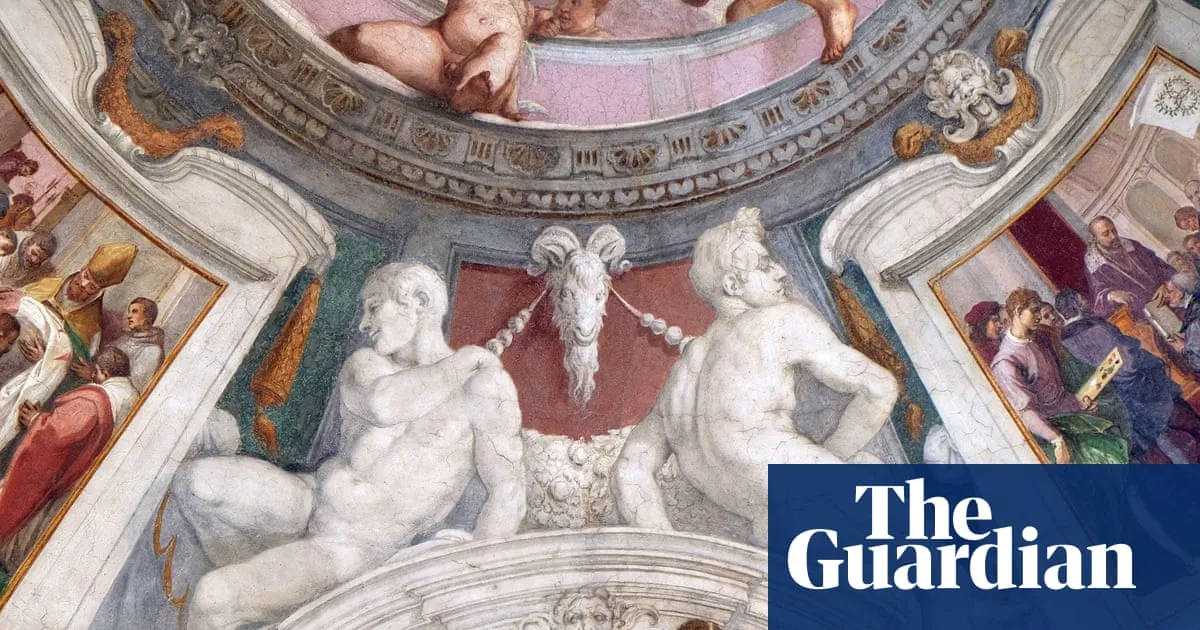
The Hospital of the Innocents in Florence, Europe's first institution dedicated solely to abandoned children, played a surprising role in the flowering of Renaissance art, according to a new book by Joseph Luzzi. The professor at Bard College in New York argues that the Innocenti, as it is known, not only cared for unwanted children but also commissioned works from the greatest artists of the era, including Ghirlandaio, Botticelli, and Piero di Cosimo.
Built by the Silk Weavers Guild, the hospital featured arches designed by Filippo Brunelleschi, architect of the Duomo. It housed and still houses masterpieces of Renaissance art. Luzzi's book, 'The Innocents of Florence', paints a vivid picture of early modern Florence, where children made up half the population and many were abandoned due to the church's condemnation of contraception and a fiercely patriarchal society.
The first foundling, a girl named Agata left on Saint Agata's Day in 1445, had been nibbled by mice. Mothers often broke a coin in two, hanging one half around the baby's neck in hopes of reuniting. The hospital saved many children from poverty, sex work, or trafficking, and lessened the stigma of illegitimacy, which in Renaissance Italy meant a 'living death'.

However, Luzzi does not shy away from the darker side. The hospital farmed out babies to wet nurses who sometimes starved them, and spent donations on expensive art while feeding charges on bread made from bran. Boys received a well-rounded education, but girls were taught weaving and pushed into domestic service, even when directors knew it opened them to exploitation.
The Innocenti, Luzzi concludes, is an absorbing case study in how Renaissance art masked 'the sweat and suffering of forced labor, the raping of slaves, the abuse of children'. The book quotes Walter Benjamin: 'There is no document of civilisation which is not at the same time a document of barbarism.'