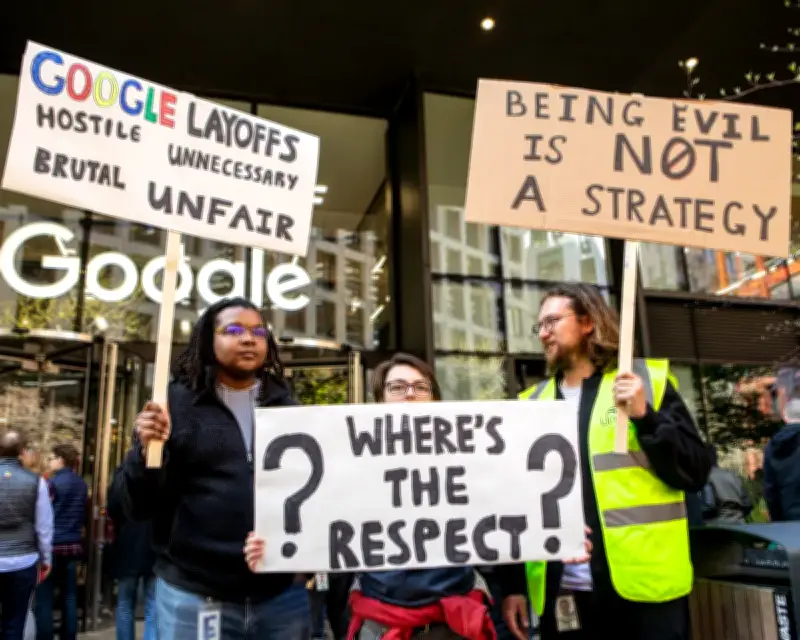
Prospect union has reached an agreement with Google to begin organising among about 7,000 workers across its UK operations, including YouTube but excluding DeepMind. The deal follows new rights for unions to access workplaces that came into force, with Google UK signing the agreement on Monday.
Agreement details and scope
Google DeepMind is expected to strike a separate agreement, with the Communication Workers Union seeking recognition there. The deal follows a similar agreement between Prospect and Meta, which owns Facebook, WhatsApp and Instagram and employs about 5,000 people in the UK.
The agreements will allow unions to communicate with non-unionised workers and encourage them to join. The union, which represents more than 160,000 UK workers across several sectors, will now be able to run sessions inside Google’s workplaces, including the flagship headquarters in King’s Cross, London.
Union and company responses
Prospect’s general secretary, Mike Clancy, said: “Prospect has been organising tech workers for many years, and this access agreement is a powerful signal of intent that we can successfully negotiate agreements with even the biggest global tech companies.”
Clancy added: “Tech workers deserve a stronger voice at work, whether that is over bread-and-butter trade union issues like pay and flexibility, AI deployment or workplace culture. I am pleased that Google has struck this agreement with us, and hope it sends a clear signal to other tech companies that having a relationship with trade unions is the new normal in the sector.”
Google said it had signed the access agreement to comply with the new UK workplace legislation, although it maintained that it already had good internal employee relations. “This step builds on our established work with internal employee representative groups, allowing us to fulfil these new requirements while preserving the respectful, direct dialogue our culture is built on,” a spokesperson said.
Broader impact on tech sector
Paul Nowak, the TUC general secretary, said last week that he expected a wave of union recognition deals in the private sector over the next year as the “transformative” rules on accessing workplaces came into force.
The Employment Rights Act gives unions the right to enter workplaces to meet workers or communicate with them electronically. From January, employers will be required to inform workers of their right to join a union. Previously, unions seeking recognition have sometimes had to organise workers from outside their workplaces – as was the case with the GMB’s thwarted effort to gain recognition at Amazon’s warehouse near Coventry two years ago.