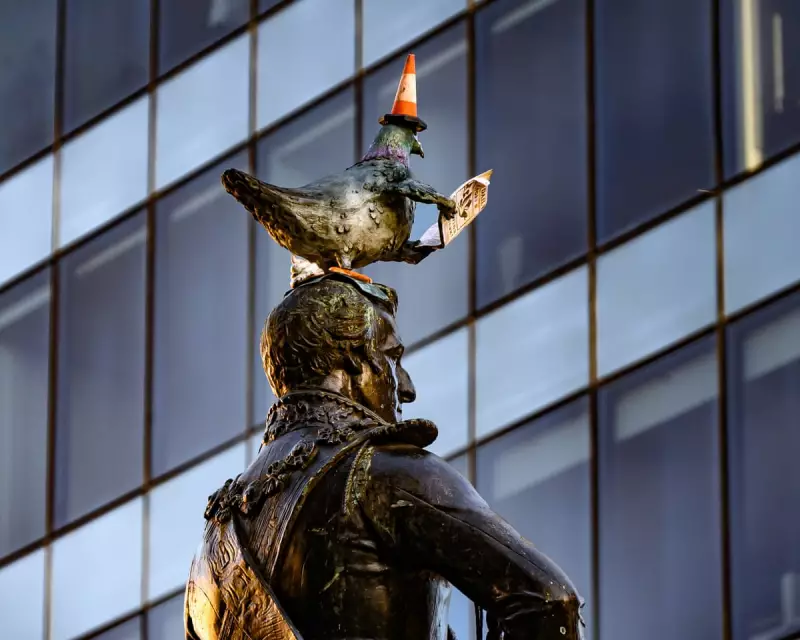
A whimsical street sculpture in Glasgow, depicting a pigeon engrossed in a newspaper while sporting a miniature traffic cone on its head, has catalysed a wave of public affection for the often-overlooked birds. The artwork, created by the enigmatic street artist known as the Rebel Bear, has prompted readers to share their own stories of admiration for pigeons in the genus Columba.
Lockdown Companions and Lifelong Mates
Inspired by a recent defence of pigeons as "working-class heroes," correspondents Ross McQueen and Teresa Rodrigues penned letters detailing their respect for the birds. Ross McQueen, writing from Brussels, described how a pair of wood pigeons on his windowsill became a source of solace and entertainment during the Covid-19 lockdown.
"During lockdown, when the outside world was scary and remote, these wood pigeons cheerfully slapped together a nest and raised two healthy chicks," McQueen recalled. He marvelled at watching the parents nurture their offspring from eggs to hatchlings and then witness the chicks' first tentative flights. The pair have since successfully reared several broods on the same sill.

McQueen highlighted several fascinating traits of wood pigeons: they are believed to mate for life, they are the only birds that can suck water without tilting their heads back, and they produce their distinctive "coo-coo" song with their beaks closed. "Although their nests are notoriously slapdash, they make very good parents," he noted, with both sharing incubation and feeding duties.
From Urban Roosts to Artistic Tribute
Meanwhile, Teresa Rodrigues from Sandford, Devon, cheered the defence of pigeons. Her respect blossomed from watching them roost outside her bedsit window in Lewisham, appreciating them as a constant presence of nature. This admiration has since taken a creative turn.
"Nowadays I make soft sculptures of pigeons, which sell very well, thank you very much," Rodrigues revealed. She also mused that descendants of Mary of Exeter—a celebrated homing pigeon who served with distinction during the Second World War—might be among the birds visiting her Devon garden.
A Feathered Symbol in the City
The original spark for this discussion, the Rebel Bear's sculpture, captures a uniquely Glaswegian sense of humour. The addition of the tiny traffic cone is a playful nod to the city's famous tradition of placing cones on statues. This charming piece of street art, photographed by Stuart Neville, has inadvertently become a symbol for a broader reappraisal of urban wildlife.
Together, the sculpture and the personal testimonies challenge the common perception of pigeons as mere "flying rats." Instead, they are portrayed as resilient, dedicated parents and steadfast companions, offering a touch of wild beauty in the heart of our cities and towns.