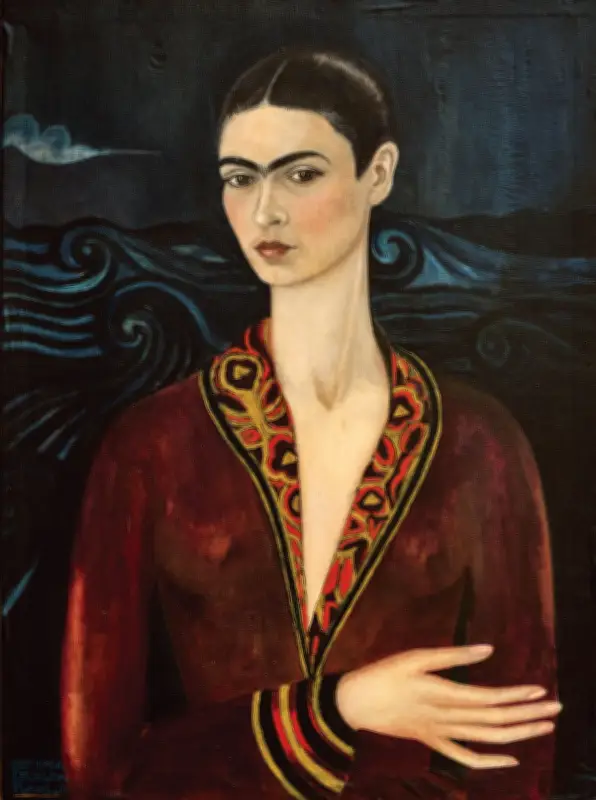
The new exhibition at Tate Modern, 'Frida Kahlo: The Making of an Icon', offers a deep dive into how the Mexican artist deliberately constructed her image as a global symbol of resilience, identity, and political defiance. The show, which opened on June 22, 2026, and runs until October 4, 2026, brings together more than 200 pieces, including paintings, drawings, photographs, and personal belongings.
Exhibition Highlights and Structure
Curated by Circe Henestrosa and Gannit Ankori, the exhibition is organized thematically rather than chronologically. It examines Kahlo's self-fashioning through fashion, photography, and political activism. Key sections include 'The Making of a Self', 'The Politics of Identity', and 'The Iconic Body'.
One standout is a rare self-portrait from 1943, 'Self-Portrait with Bonito', loaned from a private collection. The exhibition also features a reconstruction of Kahlo's famous Blue House garden, complete with indigenous plants and pre-Columbian artifacts.

Critical Reception and Impact
Critics have praised the exhibition for its fresh perspective. According to The Guardian's Adrian Searle, 'The show is a revelation, showing Kahlo as a master of her own myth-making.' The exhibition has already sold over 50,000 advance tickets, making it one of Tate Modern's most anticipated shows of the year.
However, some reviewers note that the focus on image construction may overshadow Kahlo's artistic achievements. The exhibition includes a section on her relationship with Diego Rivera, but avoids sensationalizing their tumultuous marriage.
Historical and Cultural Context
Kahlo's posthumous fame has often been tied to her personal suffering and eccentricity. This exhibition aims to correct that narrative by highlighting her deliberate use of traditional Mexican dress, her political engagement with communism, and her embrace of indigenous culture. 'She was not just a tragic figure; she was a strategic artist,' said co-curator Henestrosa in a press release.
The show also addresses her posthumous commercialisation, displaying merchandise like Frida-themed Barbie dolls and cosmetics as part of a critical installation.