Claire Aho: The Finnish Visionary Who Transformed Postwar Photography
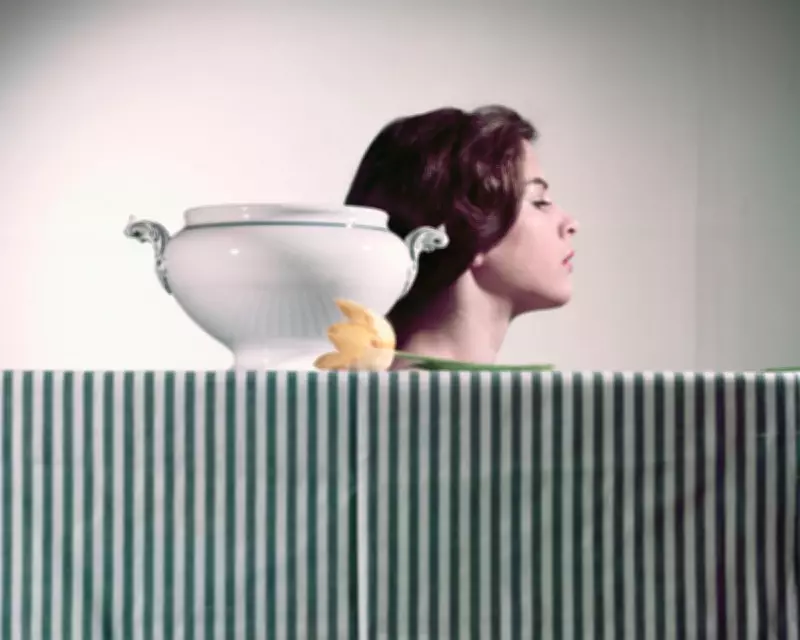
Finnish artist Claire Aho, often hailed as the 'grand old lady of Finnish photography', brought a unique blend of wit, verve, and cinematic flair to the world of postwar image-making. A new exhibition, Colour Me Modern: Claire Aho and the New Woman, presented by Hundred Heroines, the UK's sole museum dedicated to women in photography, showcases how Aho played a pivotal role in crafting a fresh visual language for Finland. Her work, which includes pieces like Untitled, 1960 and Cotton Rhapsody, 1958, features confident, contemporary women and transforms mundane scenes into stylish moments, reflecting the optimism of the era.
Embracing Colour in a Black-and-White World
During the 1950s in Finland, there was a growing demand for realistic colour photography as fashion and product photography shifted away from traditional black-and-white. Few photographers could ensure the permanence and accuracy of colours throughout the production process, but Aho embraced this challenge wholeheartedly. With a keen eye for composition and innovative colour techniques, she produced images that captured the style and hopefulness of postwar Finland, understanding colour as a contemporary language that spoke to a society in transition.
Breaking Barriers in a Male-Dominated Field
Aho worked in an age when the advertising and photography industries were overwhelmingly dominated by men. She stood out as one of the very few women producing colour photos in 1950s Finland, learning her craft from her father, Heikki, a photographer and film-maker. Initially starting as a documentary film-maker, she eventually established her own studio in the 1950s, diversifying her portfolio to include magazine editorials, advertisements, and fashion photography. Her assignments from women's magazines like Eeva and Me Naiset (We the Women) allowed her to shoot fashion stories and celebrity portraits, capturing the emergence of a new, modern type of celebrity in Finland, amplified by the rise of television.

Pioneering Techniques and Commercial Success
Inspired by her father's critiques of the poor quality of colour photography in Finland, Aho developed techniques that resulted in beautifully saturated images, even as colour struggled for critical recognition. With the end of wartime restrictions, photographic materials became more accessible, enabling her to work extensively with colour. Her advertising work, such as campaigns for Fazer Finlandia Sweets and Marimekko, reflected and contributed to the commercial excitement of 1950s Finland, as new products flooded the market post-rationing. Aho's artistically arranged and witty photographs, like Surprise! Pirkko Mannola, Miss Finland, 1958, captured Helsinki's vibrant cultural scene and garnered demand from leading publications and brands.
Celebrating Finnish Fashion and Identity
The 1950s saw fashion become spectacularly lavish in Finland, with iconic design labels like Marimekko and Vuokko emerging and gaining international acclaim. Increased availability of fabric allowed Finnish artists to design patterns locally, reducing reliance on imports. Aho's commercial photographs, such as Marimekko parasol, c 1965, celebrated authentic Finnish fashion, blending humour and staged elements to reflect the reshaping of women's identities during the 1950s and 60s. Her work, including playful images like Valio's penguins, 1950 and The children, the bear and the fridge, 1952, aimed to create immediate connections with viewers through colour and familiar, comforting scenes.
Legacy and International Recognition
Claire Aho's contributions place her within a broader international narrative of female photographers who shaped visual culture but were often overlooked. Her ability to blend commercial and everyday realities, as seen in works like Woman behind glass, 1958 and Flowers I, 1950s, highlights her role in documenting a society evolving from postwar gloom to vibrant modernity. The exhibition at Hundred Heroines Museum in Stroud runs until 31 May, offering a comprehensive look at her enduring impact on photography and Finnish cultural history.