British Theatre in 2026: A Congregation Under Pressure Amidst Soaring Costs
British Theatre 2026: Congregation Under Pressure, Costs Soar

The State of British Theatre in 2026: A Congregation Under Immense Pressure

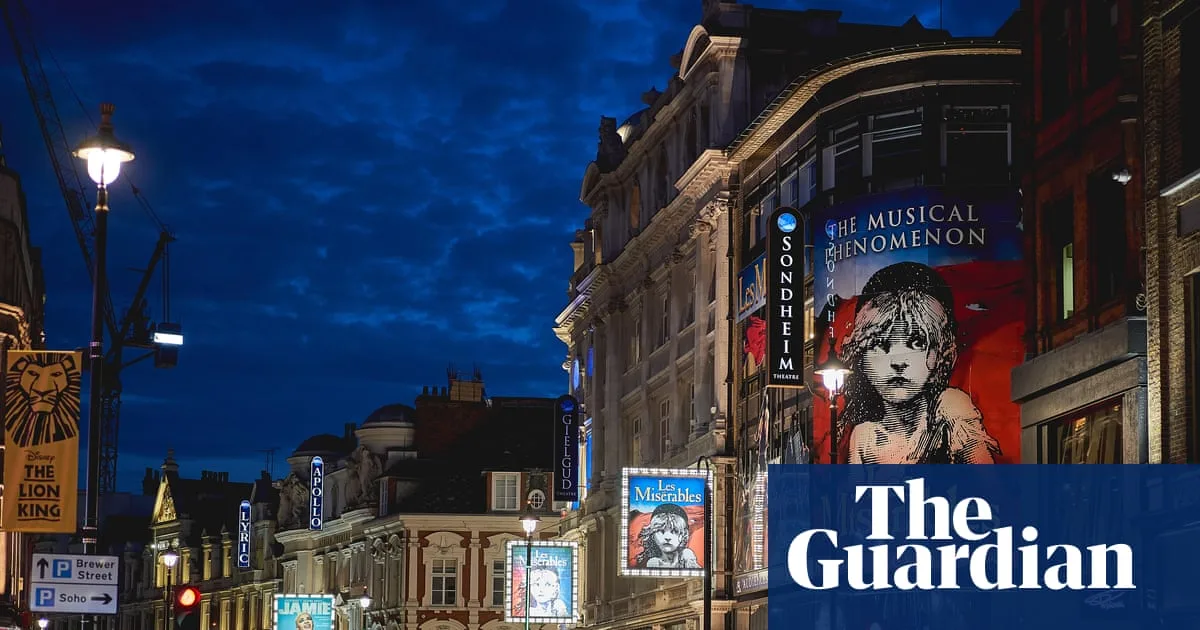
Good morning. The allure of a great night out at the theatre remains undiminished for many across the United Kingdom. Last year, an impressive 37 million people visited theatres nationwide, underscoring the enduring appeal of live performance. Notably, London's West End outperformed Broadway, welcoming 3 million more fans in 2025, solidifying its global stature. The star-studded spectacle of the recent Olivier awards, featuring luminaries like Rosamund Pike and David Harewood, highlights why audiences continue to flock to these cultural events.

Behind the Curtain: Financial Squeeze and Economic Realities

However, behind the glittering facade of full houses and bustling bars, the industry grapples with profound challenges. A joint report by UK Theatre and the Society of London Theatre reveals a sector that is popular and creatively vibrant yet financially strained. While the industry supports 100,000 jobs and generates significant local economic activity—with every £1 spent on a ticket producing an additional £1.40—the financial health is precarious. Theatres have absorbed inflation rather than passing it fully onto consumers, leading to falling real-terms ticket prices since 2019 and eroding profit margins. Alarmingly, a third of organisations forecast operating deficits this year, threatening long-term resilience.

The Celebrity Casting Conundrum and Rising Ticket Prices

According to Arifa Akbar, the Guardian's chief theatre critic, pressures manifest most visibly in production and marketing strategies. A dominant trend is the proliferation of celebrity casting, which now permeates even subsidised theatre. This shift squeezes trained theatre actors out of leading roles, forcing some to leave the industry or take secondary jobs. Akbar notes that a decade or two ago, non-celebrity actors could headline productions, but today, big names are often essential to drive bookings. This phenomenon alters the audience experience, sometimes reducing performances to spectacles focused on stars rather than the art itself.

Wide Pickt banner — collaborative shopping lists app for Telegram, phone mockup with grocery list

Simultaneously, ticket prices in the commercial West End have escalated into a new, more expensive norm. Prices that once sparked outrage at £350 now barely raise eyebrows, raising serious questions about access and representation. Who can afford to attend, and who is being systematically priced out of these cultural experiences?

Balancing Safe Bets with Creative Innovation

In response to post-pandemic recovery efforts, producers often opt for safer choices: revivals, film adaptations like Mrs Doubtfire, and nostalgic crowd-pleasers dubbed "prosecco musicals" aimed at stag and hen parties. Yet, amidst this commercial retrenchment, signs of creative risk and renewal persist. Immersive theatre is gaining traction, particularly among younger audiences seeking participatory experiences. Productions like I Do, which involves audiences moving through hotel rooms during a wedding preparation, exemplify this trend. Innovators such as Nica Burns, with the new-build Soho Place theatre, also inject fresh energy into the West End.

Theatre's reliance on revisiting classic texts remains, but Akbar emphasises the importance of relevance. Recent productions of Arthur Miller's All My Sons resonate with contemporary issues like the Grenfell tragedy or PPE scandals, demonstrating how past works can speak powerfully to the present. Similarly, Mark Gatiss highlights the timeliness of Bertolt Brecht's The Resistible Rise of Arturo Ui in today's political climate.

Cultural Power and Persistent Inequalities

Despite these challenges, British theatre retains significant cultural power. Onstage, there has been notable progress in diversity, with increased representation of disabled performers and broader ethnic inclusion. Nearly three-quarters of respondents in the industry report programming that reflects community diversity, achieved through outreach, school partnerships, and workforce investments. However, progress is uneven; the gender pay gap in the cultural sector has worsened, with women earning 85p for every £1 men earn in 2023. Akbar warns that such gains can regress under economic pressure.

Pickt after-article banner — collaborative shopping lists app with family illustration

The Enduring Impact and Future Prospects

At its best, theatre provokes and unsettles, leaving audiences pondering issues long after the curtain falls. Award-winning dramas exploring justice themes at the Oliviers, alongside commercial hits like Paddington: The Musical, illustrate this dual capacity. Akbar asserts that theatre's unique role as a "congregation" in public life endures, despite celebrity dominance, rising costs, and creative compromises. The industry's future hinges on balancing strong demand and abundant talent with sustainable economics, ensuring that this vital art form remains accessible and resilient for generations to come.