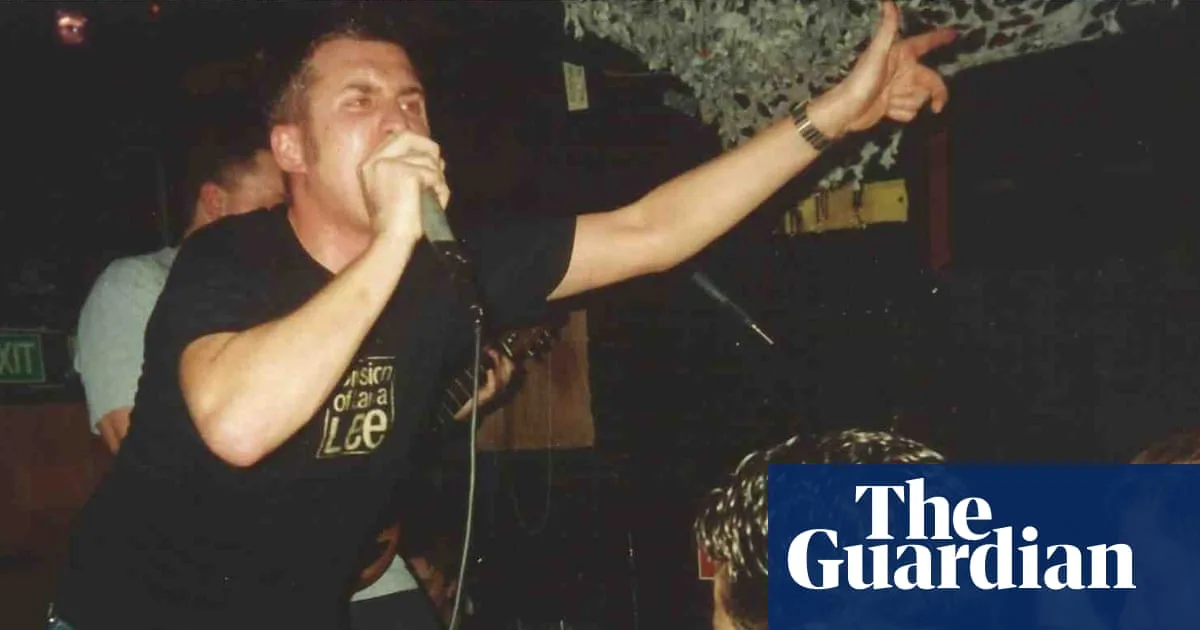
Gary Cavanagh, a founder of the 1 in 12 Club, recalls the grim early 1980s in Bradford, marked by high unemployment and a government report claiming one in 12 dole recipients were defrauding the state. Cavanagh and friends reclaimed that statistic as an identity, forming the club in 1981. Initially nomadic, it hosted gigs and leftwing political meetings in pub rooms, offering cheap access to bands like New Model Army and fostering anarchist principles of self-management, cooperation, and mutual aid.
The club has been based in a converted building since 1988, featuring a mural with the words 'liberty, equality, solidarity'. A new book and three-part podcast, produced as part of Bradford's 2025 UK City of Culture and in collaboration with Home of Metal, tell its story. Contributors include members of Lankum, Chumbawamba, Therapy?, and Neurosis. Alice Nutter of Chumbawamba recalls hot, crowded gigs with 'sweaty black water dripping on you' but a great atmosphere.
E, a trustee who first visited as a teen, describes the club as a welcoming space for punks, hippies, and Travellers alike. The three-floor venue includes a cafe, members' bar, games room, library, and a 90-capacity gig room that has hosted everyone from Pulp to Bikini Kill. In its early days, the club battled the National Front, with Cavanagh stating, 'We were always fighting fascists... we always took on those people.' Politics are not forced, however; Cavanagh says they encourage people to think for themselves.

Inclusivity and egalitarianism are key, but the club also responds playfully to outsiders. In 2008, when Canadian band Fucked Up played with NME journalists present, members smashed a giant cardboard Trojan horse inscribed with 'NME Out of Our Scene'. The club is entirely volunteer-led, with bar income and occasional grants sustaining it. Nutter highlights its collectives, including reading groups and a peasant collective providing free communal meals from club allotments. She notes the club facilitated her first play, giving her keys to use the space freely.