Bible Sales Double Among Gen Z: Aesthetic Trend or Spiritual Revival?
In a surprising cultural shift, sales of the Bible in the United Kingdom have reached their highest point since records began in 2008. New data from Nielsen BookScan reveals that annual sales more than doubled from £2.69 million in 2019 to £6.3 million in 2025, with a 106 per cent increase in the volume of copies sold over the past five years. This surge excludes bulk orders by publishers or institutions, indicating a significant rise in individual purchases.
Young People Driving the Trend
While comprehensive demographic data is lacking, anecdotal evidence from booksellers suggests that much of this growth is attributable to Generation Z. Dr Rhiannon McAleer, director of research and impact at Bible Society, notes that young people are particularly active buyers, whether they are new to faith or longer-practicing Christians seeking deeper scriptural understanding. A Bible Society study found that Christians aged 18-24 are the most likely group to read the Bible regularly, often opting for physical copies over digital apps.
This preference for analogue formats aligns with broader Gen Z trends, such as the resurgence of vinyl records and Filofaxes. Despite their digital native status, young people appear to value the tangible heft and history of physical books, including the Bible.

Cultural Spotlight on Religion
Religion has enjoyed a notable moment in the cultural spotlight recently. Spanish megastar Rosalía's 2025 album, Lux, embraced Catholic iconography and musical influences, featuring tracks inspired by female saints and cathedral-style acoustics. The album's cover art depicted the singer in a contemporary nun's habit, further blending modernity with tradition.
Additionally, the 2024 Conclave process for selecting a new Pope sparked widespread online fascination among secular young people. Dedicated social media accounts and ironic tweets proliferated, with some papal contenders receiving "Brat" cuts—video edits set to Charli XCX's music—creating a mash-up of ancient ritual and modern pop culture. Even Vogue has proclaimed "monastic" as a key interior design trend for 2026, drawing inspiration from religious architecture.
Beyond Aesthetics: A Quiet Revival
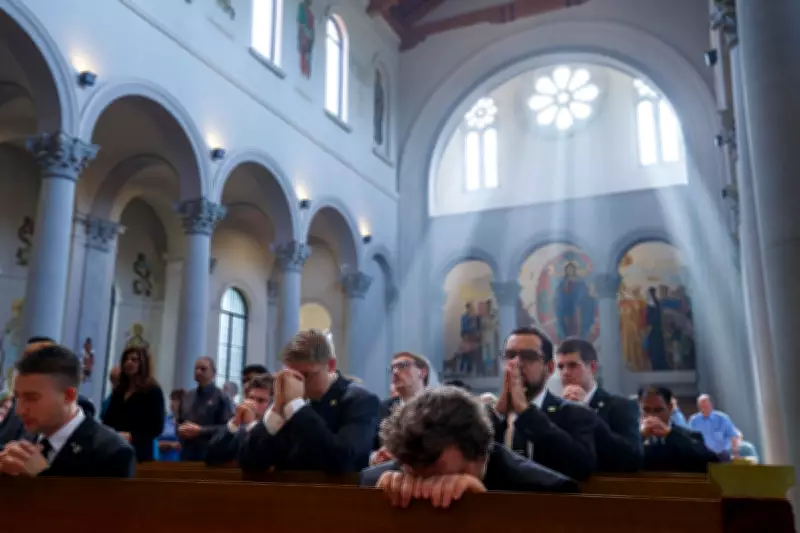
However, the "aesthetic revival" of the Church is only one facet of a broader phenomenon. Both the Church of England and the Catholic Church have reported increases in adult confirmations and baptisms. Bible Society research indicates that monthly church attendance among 18- to 24-year-olds quadrupled from 4 to 16 per cent between 2018 and 2025, part of what the report's authors term a "quiet revival" in UK Christianity.
Reverend Pat Allerton, a vicar at St Peter's Church in Notting Hill, London, has observed a steady growth in young adults attending his services. He notes that many come from non-Christian backgrounds, searching for meaning they have never experienced. "These are people searching for something they've never had," Allerton muses.
Searching for Meaning in Uncertain Times
The drive towards spirituality among Gen Z may be a response to multiple global challenges, including wars, climate change, and the disruptive impact of AI on employment. Research from the King's Trust reveals that seven in ten teens and young adults in the UK are anxious about their future careers, with a quarter fearing they will fail in life.
This hunger for deeper meaning extends beyond organised religion. There has been a marked increase in young people identifying as "spiritual" and engaging with practices like tarot, numerology, and astrology. A US survey found that 80 per cent of Gen Z and younger millennials believe in astrology, while in the UK, the proportion of 18- to 24-year-olds who believe in a "spiritual greater power" more than doubled from January 2025 to 2026.
The Rise of Christian Nationalism and Far-Right Co-option
Not all aspects of this trend are benign. There has been a noticeable rise in Christian nationalism, often linked to far-right political stances. Stephen Yaxley-Lennon, better known as Tommy Robinson, has claimed to have found faith while in prison and organised events like the Unite the Kingdom rally in London, which featured Christian imagery alongside anti-immigration sentiment.

Right-wing influencers, such as 17-year-old "Young Bob," merge hard-right views with religion, echoing trends in the United States. The Reform party has appointed anti-abortion theologian James Orr as a senior adviser, following a Republican playbook on reproductive rights.
Church leaders have condemned the "co-opting of the cross" for divisive purposes. However, those on the ground, like Dr McAleer, report that most young men exploring Christianity are motivated by a genuine desire for connection and purpose, not political ideology.
Genuine Engagement and Community Building
Despite concerns about performative religiosity, data points to authentic engagement. YouVersion, the world's most-used Bible app, recently hit a billion downloads, with double-digit growth in UK users engaging at least four days a week. The top five days for daily app use all occurred in 2026.
Bible Society research indicates that young male Christians exhibit pro-social behaviours, such as volunteering and supporting local food banks. Reverend Allerton describes a period of unprecedented hope within the Church, citing increased openness among people as global uncertainties mount. "I really think this is the beginning of a Christian revival in not just this nation, but around the world," he says.
As Bible sales continue to climb, the question remains: Is this a fleeting aesthetic trend, a dangerous political co-option, or a sincere spiritual awakening? The evidence suggests a complex interplay of all three, reflecting Gen Z's search for meaning in an increasingly chaotic world.