South African Artist Sues Minister Over Venice Biennale Gaza Artwork Ban
Artist Sues Minister Over Venice Biennale Gaza Art Ban

South African Artist Files Lawsuit Over Venice Biennale Gaza Artwork Exclusion

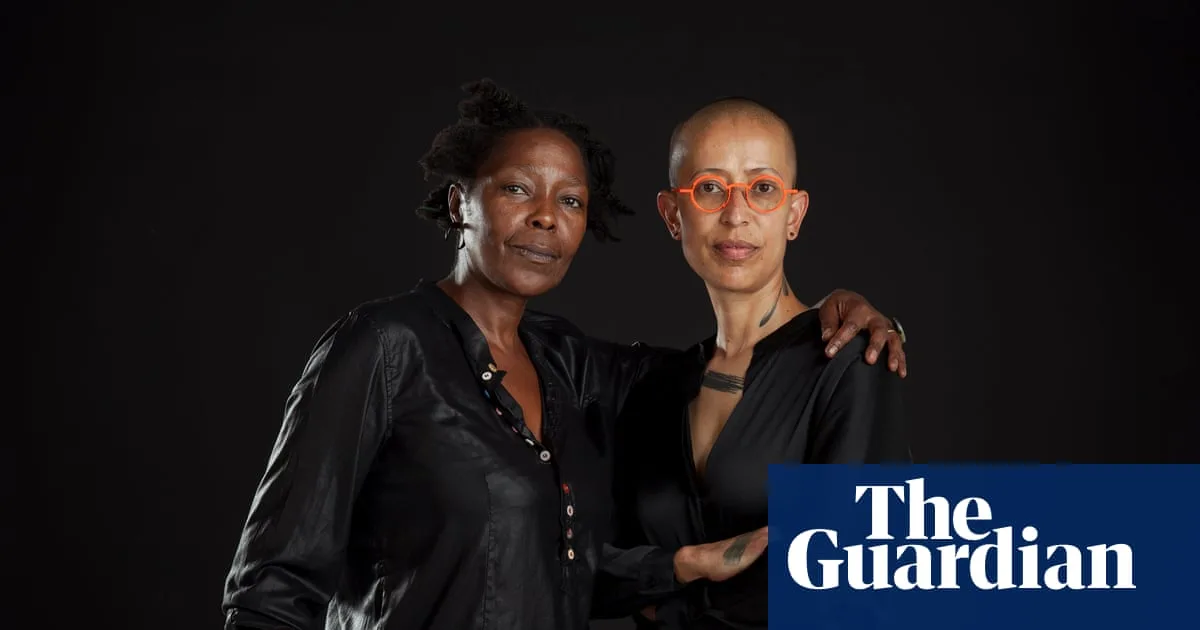
Prominent South African artist Gabrielle Goliath has initiated legal proceedings against the country's Arts and Culture Minister, Gayton McKenzie, following his decision to block her participation in the prestigious Venice Biennale. The controversy centres on Goliath's video installation Elegy, which addresses Palestinian casualties in Gaza, with the minister labelling the work "highly divisive" and related to a "widely polarising" international conflict.

Legal Action and Freedom of Expression Concerns

Goliath filed the lawsuit last week alongside curator Ingrid Masondo and studio manager James Macdonald, demanding that the High Court reinstate their participation by 18th February. This date represents the crucial deadline for confirming installations with biennale organisers. The legal documents accuse Minister McKenzie of acting unlawfully and violating constitutional rights to freedom of expression.

"We hope to reclaim the pavilion, which we believe is rightfully ours," Goliath told journalists. "But more importantly than that, it is the significance of the work ... that speaks far more eloquently to these very difficult questions of whose life is recognised as a life worth grieving after."

The Controversial Artwork and Ministerial Objections

Elegy is a video work that has been exhibited internationally for over a decade, featuring female singers taking turns to step onto a dais and sing the same note. Goliath had planned to showcase three videos in Venice:

  • One honouring Palestinian poet Hiba Abu Nada, killed alongside her son by an Israeli airstrike in October 2023
  • Another paying tribute to Ipeleng Christine Moholane, a 19-year-old murdered in South Africa in 2015
  • A third commemorating two female victims of the German genocide in Namibia

In a December letter included in court filings, Minister McKenzie stated: "The subject matter, as outlined, is known to be highly divisive in nature and is related to an ongoing international conflict that is widely polarising." A subsequent January communication added: "It would not be wise or defensible for South Africa to support an installation against a country currently accused of genocide, while we as South Africa are also fielding unjustified accusations of genocide."

Political Context and International Parallels

The controversy occurs against a complex political backdrop. South Africa's government launched a lawsuit in 2023 accusing Israel of genocide in Gaza, while Minister McKenzie's Patriotic Alliance party joined a national coalition government in 2024. Before this political alignment, McKenzie had publicly stated there was "no genocide" of Palestinians.

The minister's statement also referenced concerns about foreign influence, suggesting "a foreign country" had offered to fund South Africa's exhibition. This appeared to refer to Qatar Museums' inquiry about potentially funding the pavilion and purchasing artworks before Goliath's selection by an independent panel. Goliath's affidavit confirmed these discussions didn't progress, with the artist rejecting what she called "a damaging conspiracy theory" about foreign capture.

Artistic Community Response and Precedents

The ministerial decision has provoked significant outrage within South Africa's artistic community, with numerous writers' groups and non-profit organisations signing open letters condemning Goliath's removal. The Democratic Alliance, part of the national coalition government, has reported McKenzie to the country's public watchdog.

This case follows international precedents regarding artistic censorship at major biennales. In July 2025, Lebanese-Australian artist Khaled Sabsabi was reinstated as Australia's representative for the 2026 biennale after being dropped earlier that year due to controversy surrounding some of his past works.

As the 18th February deadline approaches, neither Minister McKenzie nor his department have announced any plans to replace Goliath's work in the South African pavilion. The Venice Biennale, which alternates between art and architecture annually, featured 86 national pavilions in its 2024 edition, with governments typically organising their own exhibitions alongside a main curated presentation.