Terraforma Film Review: A Meditative Portrait of Ascension Island's Man-Made Nature
A new documentary titled Terraforma provides a uniquely unhurried and contemplative exploration of Ascension Island, a remote volcanic territory in the South Atlantic Ocean. The film delves deeply into the island's fascinating and complex ecosystem, which has been significantly shaped and altered by human intervention over centuries. This cinematic work offers viewers a slow-paced, immersive experience that challenges conventional perceptions of nature and artificiality.
The Unique Landscape of Ascension Island
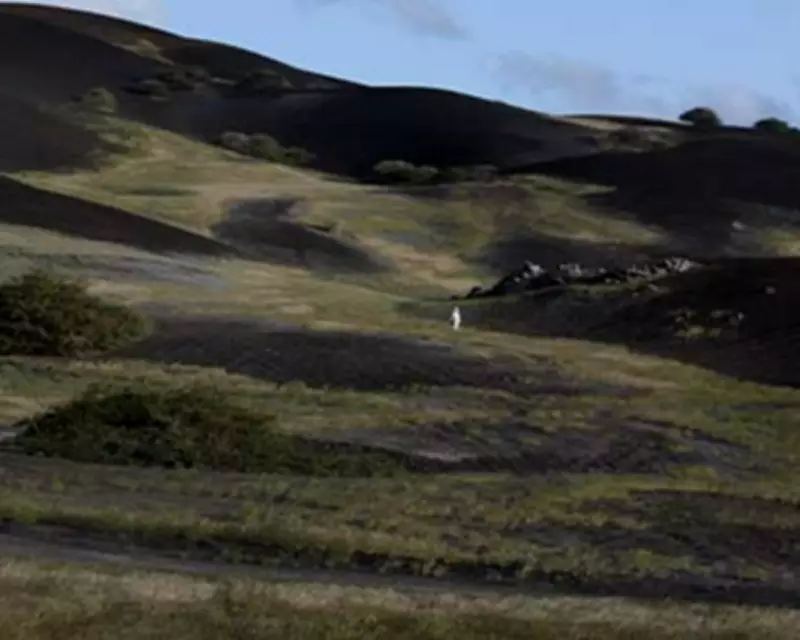
Ascension Island is renowned for its stark and otherworldly terrain, characterized by volcanic rock formations and sparse vegetation. However, what makes this island particularly intriguing is its history of human-made transformations. Initially discovered by Portuguese explorers in the 16th century, the island later became a strategic outpost for the British Royal Navy. Over time, various projects have been implemented to modify its environment, including the introduction of non-native plant species and the creation of artificial green zones.
The documentary Terraforma meticulously captures these elements, showcasing how human activities have intertwined with natural processes to create a hybrid landscape. Through stunning cinematography and a deliberate, patient narrative pace, the film invites audiences to reflect on the boundaries between the natural and the manufactured. It highlights the island's role as a living laboratory for ecological experimentation and adaptation.

Cinematic Approach and Themes
Directed with a keen eye for detail, Terraforma employs a minimalist style that emphasizes observation over exposition. The film avoids traditional voiceovers or interviews, instead relying on visual storytelling to convey its themes. This approach allows the audience to engage directly with the island's sights and sounds, fostering a sense of presence and contemplation.
Key themes explored in the documentary include:
- The impact of colonialism and military presence on natural environments.
- The ethical implications of human-driven ecological changes.
- The resilience and adaptability of ecosystems in the face of artificial modifications.
- The philosophical questions surrounding what constitutes "natural" versus "man-made" nature.
By focusing on Ascension Island's specific case, Terraforma raises broader questions about humanity's relationship with the planet. It encourages viewers to consider how our actions shape the world around us, often in irreversible ways. The film's unhurried pace mirrors the slow, gradual processes of ecological change, making it a thought-provoking piece for those interested in environmental issues and documentary filmmaking.
Reception and Significance
Since its release, Terraforma has garnered attention for its innovative approach to environmental storytelling. Critics have praised its visual beauty and meditative quality, noting that it offers a refreshing alternative to more fast-paced, issue-driven documentaries. The film's emphasis on quiet observation allows for a deeper emotional and intellectual connection with its subject matter.
In an era where climate change and human impact on nature are pressing concerns, Terraforma serves as a poignant reminder of the complexities involved in environmental stewardship. It does not provide easy answers but instead invites reflection and dialogue. The documentary's portrayal of Ascension Island as a symbol of human ingenuity and ecological intervention makes it a significant contribution to both cinematic and environmental discourse.
Overall, Terraforma is a compelling and visually stunning film that challenges audiences to rethink their understanding of nature. Its unhurried portrait of Ascension Island's human-made landscape offers a unique perspective on the intersections between humanity and the environment, making it a must-watch for documentary enthusiasts and environmentalists alike.