A beloved children's cartoon that has entertained generations has left its adult fanbase questioning their memories after a dark interpretation of its main characters went viral online.
The Viral Theory That Changed Everything
The animated series SpongeBob SquarePants first aired on Nickelodeon in 1999 and has remained a global phenomenon for over 25 years. With more than 300 episodes and five films, including 2024's The SpongeBob Movie: Search for SquarePants, its popularity spans from children to the adults who grew up with it. However, a TikTok user named Alice has cast the underwater world of Bikini Bottom in a startling new light.
Alice explained that her young niece pointed out a connection she had never considered: the show's core cast each represents one of the Seven Deadly Sins. "I looked it up, and yes, the creators have talked about this openly," Alice confessed in her video. "It was never meant as a lesson for kids. It was more like a quiet psychological layer, something adults would feel rather than consciously notice."

Decoding the Sins of Bikini Bottom
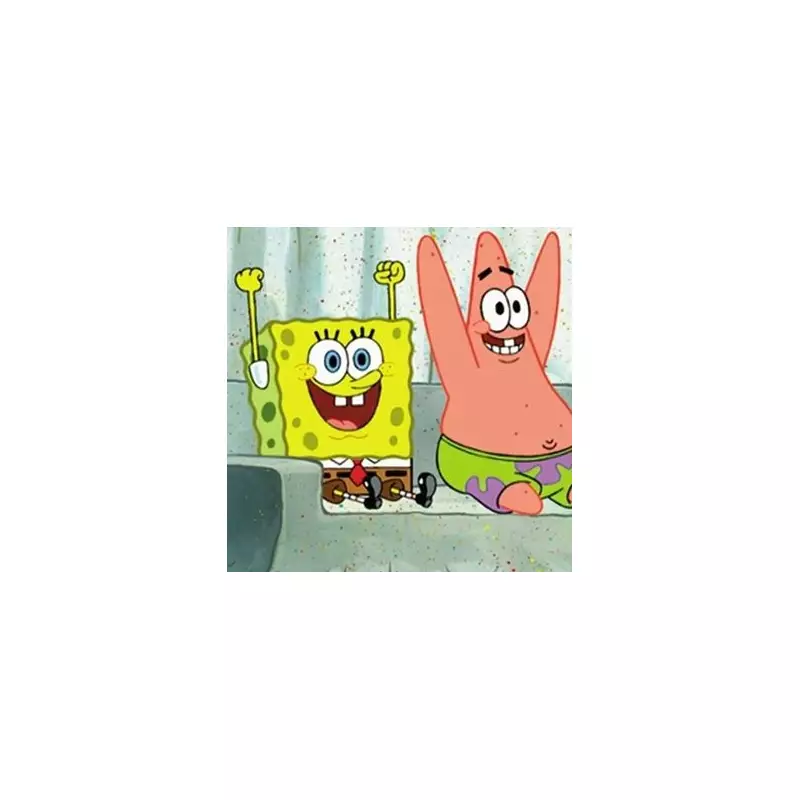
The analysis breaks down the characters' core flaws with unsettling clarity. Patrick Star, SpongeBob's best friend, is identified as the embodiment of sloth. "He lives under a rock, avoids responsibility entirely, and seems oddly proud of doing nothing at all," Alice described.
Mr. Krabs, the miserly owner of the Krusty Krab, perfectly represents greed. His obsession with money defines his every action, from underpaying his employee Squidward to famously selling SpongeBob's soul for a pittance.
The villainous Plankton is driven by pure envy, his entire existence focused on stealing the Krabby Patty formula rather than creating his own success. SpongeBob's cynical neighbour, Squidward Tentacles, personifies wrath—not through outbursts, but through a simmering, constant frustration with the world around him.
The intelligent squirrel Sandy Cheeks reflects pride, with a constant need to prove her superiority. Most intriguingly, the eternally optimistic SpongeBob himself is linked to lust, interpreted in its classical sense as an overwhelming desire to be loved by everyone, leading him to overwork and over-attach.
The seventh sin, gluttony, was not assigned by Alice, prompting debate among viewers. Many suggested Pearl Krabs, Mr. Krabs' whale daughter, whose perpetual hunger during a growth spurt fits the bill.
A Childhood Favourite Viewed Through an Adult Lens
The revelation has sparked a wave of reactions from fans who grew up with the show. "Now I see why my grandparents always said those shows were demonic… we thought they were exaggerating," wrote one commenter on the TikTok post. Another admitted, "I’m embarrassed to say I’ve seen so many episodes but I never picked up that association. It makes so much sense."
Some parents reported a newfound wariness, with one stating: "I watched SpongeBob as a kid and never thought much of it other than being funny, however, now as a parent I do not allow my children to watch it."
Alice concluded her analysis by noting the characters are not simple villains, but exaggerated versions of universal human traits. "That’s why the show feels so different as you grow up," she said. "As a child it’s funny. As an adult, it’s strangely revealing. Once you see it, it’s hard to unsee."
The theory has reignited discussions about the hidden layers in children's entertainment, with fans comparing SpongeBob SquarePants to other shows like Adventure Time that are known for their sophisticated, and sometimes dark, subtext.